


A social media security breach occurs when hackers gain unauthorized access to accounts or data. It can lead to identity theft, financial loss, and reputational damage. Strong passwords, 2FA, and vigilance help prevent attacks.
Your Instagram account gets hacked. Your Facebook data ends up in the wrong hands. Your X (formerly Twitter) profile starts posting suspicious links to all your followers. These scenarios might sound terrifyingly familiar because a social media security breach has become increasingly common, affecting millions of users worldwide.
A social media security breach occurs when unauthorized individuals gain access to social media platforms, user accounts, or sensitive data without permission. These incidents can range from highly targeted individual account takeovers to massive platform-wide data exposures that compromise the personal information of millions of users.
Understanding exactly what constitutes a social media security breach is crucial for protecting your digital presence. This comprehensive guide will explain the different types of breaches, how they happen, their severe consequences, and most importantly, how you can safeguard your accounts from these rapidly growing digital threats.
The Anatomy of a Social Media Security Breach
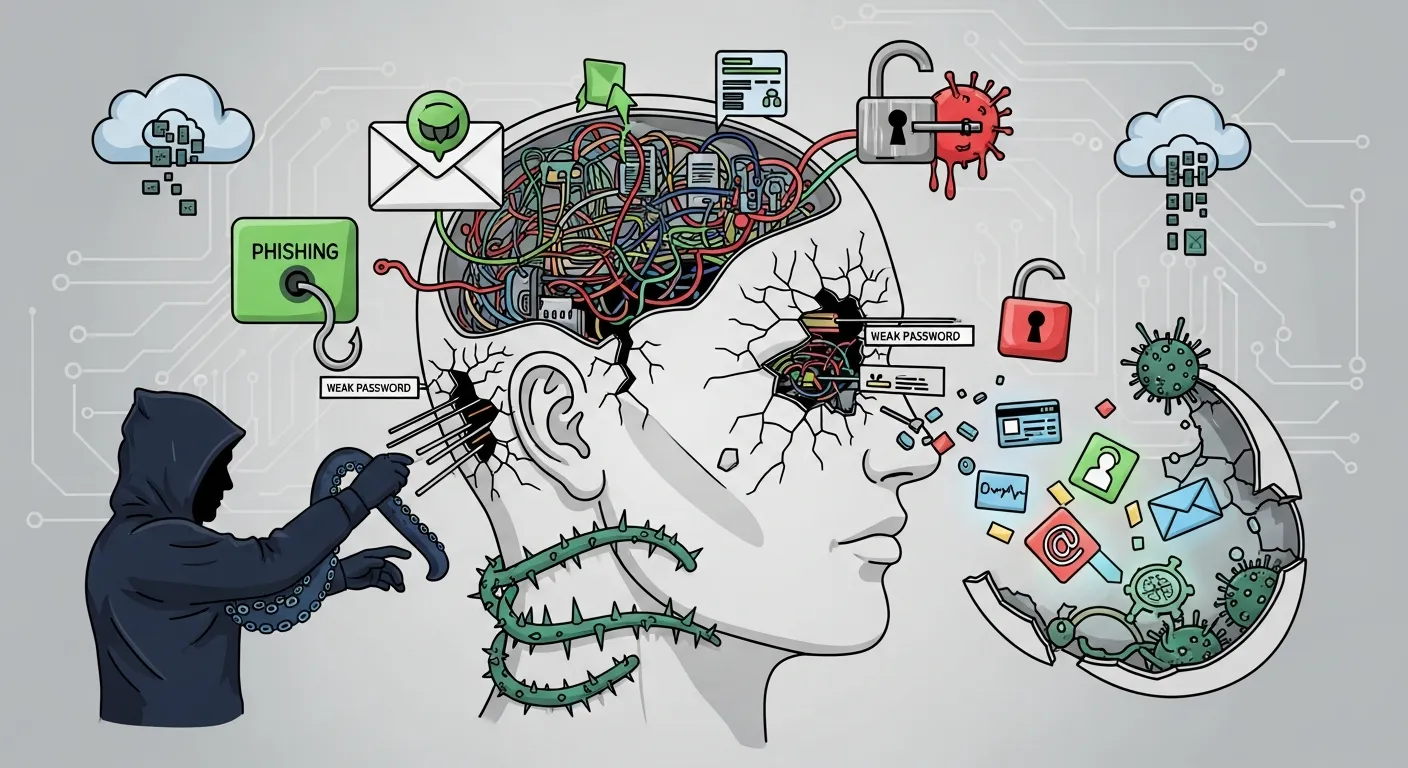
Before you can defend yourself, you must understand what you are up against. A social media security breach is not a single type of attack. It represents a broad category of unauthorized access events that target the unique vulnerabilities of social networking platforms.
When a social media security breach happens, it rarely stays contained. Because social networks connect people, an attack on one account often ripples outward, targeting friends, family, and professional contacts. This ripple effect makes a social media security breach particularly dangerous and difficult to stop once it begins.
Why Social Networks Are Prime Targets
Hackers love social media platforms because they hold a treasure trove of personal data. Users willingly upload their birthdates, locations, family connections, employment history, and personal interests. Attackers use this data to commit identity theft, launch targeted phishing campaigns, and compromise other, more secure accounts like banking and email.
Furthermore, people inherently trust messages coming from their friends. If a hacker takes over your account and sends a malicious link to your contacts, those contacts are highly likely to click it. This built-in trust makes a social media security breach an incredibly effective tool for spreading malware and scams.
Types of Social Media Security Breaches
A social media security breach comes in various forms, each carrying different levels of severity and impact. Recognizing these specific types helps you better understand the risks and prepare your defenses accordingly.
Individual Account Takeovers
Account takeovers represent the most personal type of social media security breach. Hackers gain complete control of individual user accounts through stolen passwords, phishing attacks, or exploiting weak security settings.
Once inside the account, attackers can post malicious content, send spam messages to your private contacts, or steal personal information buried in your direct messages. These breaches often go unnoticed initially, giving attackers plenty of time to cause significant damage to your reputation and relationships.
The Silent Observer Tactic
Sometimes, an attacker will execute a social media security breach and do absolutely nothing visible. They act as silent observers, reading your private messages, tracking your location data, and gathering intelligence to launch a much larger attack later. This makes detecting a social media security breach incredibly difficult for the average user.
Platform-Wide Data Breaches
Large-scale data breaches affect entire platforms and can expose the personal information of millions of users simultaneously. These incidents typically occur when cybercriminals infiltrate a social media company’s internal servers and databases. They extract stored user data such as email addresses, phone numbers, hashed passwords, and private messages.
If you want to understand the broader context of these massive platform leaks, explore this guide on cyber security breaches.
Major platforms have all experienced significant incidents where user information was exposed. These massive leaks highlight that a social media security breach is not always the user’s fault; sometimes, the platforms themselves fail to secure the data they collect.
Malware Distribution Networks
A social media security breach can turn a platform into a vehicle for spreading malicious software. Attackers create fake profiles or compromise legitimate accounts to share links containing malware.
When unsuspecting users click these specific links, their devices become instantly infected. This gives hackers direct access to sensitive information stored directly on their computers or smartphones. This type of social media security breach spreads rapidly through social networks as infected accounts automatically share the malicious content with their connections.
Third-Party API Leaks
Many users connect external apps—like personality quizzes, scheduling tools, or games—to their social profiles. If one of these external apps suffers a data leak, it acts as a backdoor social media security breach. The hackers steal your data not from the main platform, but from the poorly secured third-party application you granted access to.
Comparison of Breach Types
|
Breach Type |
Target Scale |
Primary Goal |
Detection Difficulty |
|---|---|---|---|
|
Account Takeover |
Individual users |
Spam, identity theft, scams |
Medium to High |
|
Platform Data Leak |
Millions of users |
Mass data harvesting, selling data |
Low (usually announced) |
|
Malware Distribution |
User networks |
Infecting devices, ransomware |
Medium |
|
API/Third-Party Leak |
App users |
Extracting profile data silently |
High |
How a Social Media Security Breach Happens
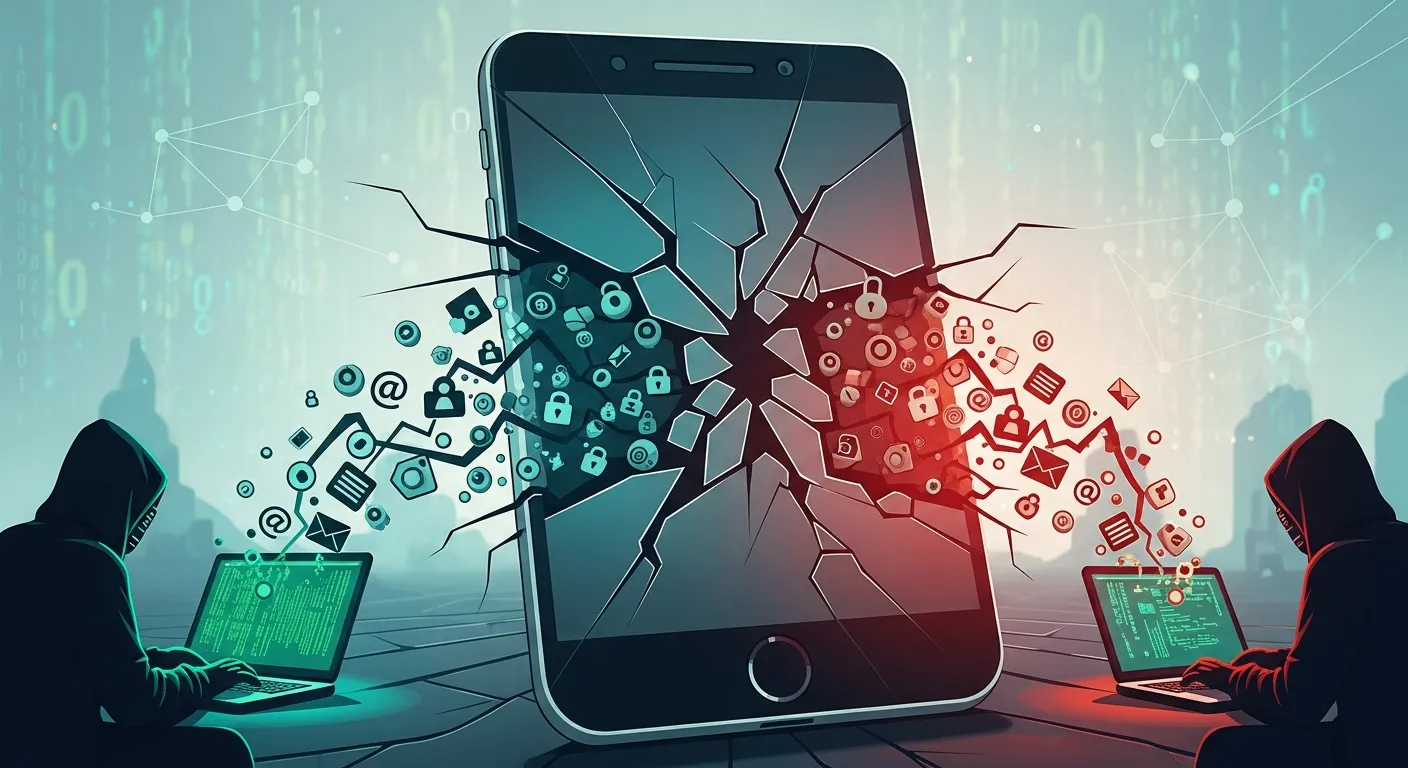
Understanding the exact methods attackers use can significantly help you recognize and avoid potential threats. A social media security breach usually occurs through common attack vectors that exploit basic human behavior and known technical vulnerabilities.
Weak Passwords and Credential Stuffing
Many users create incredibly weak passwords or reuse the exact same password across multiple online platforms. Attackers exploit this terrible habit by using credential stuffing attacks. In this scenario, hackers use automated software to test stolen username and password combinations across various social media sites rapidly.
If you use the exact same login credentials for your email, banking, and social networks, a breach of one obscure service can compromise all your accounts, resulting in a devastating social media security breach. Password-related attacks often succeed because users choose easily guessable passwords like “123456” or use personal information that can be easily discovered online.
Sophisticated Phishing Attacks
Phishing remains one of the absolute most effective methods for triggering a social media security breach. Attackers create highly convincing fake login pages that look completely identical to legitimate social media sites.
When users enter their credentials on these fraudulent pages, the sensitive information routes directly to the attackers. These fake pages often distribute through urgent emails, text messages, or even sponsored advertisements on the social media platforms themselves. The high sophistication of modern phishing attempts makes them increasingly difficult to distinguish from legitimate login requests.
Social Engineering and Manipulation
Social engineering attacks manipulate basic human psychology rather than exploiting complex technical vulnerabilities. Attackers may impersonate customer support representatives, close friends, or business colleagues to trick users into freely revealing their login credentials or sensitive information.
These attacks often involve building deep trust over time through seemingly innocent conversations before making direct requests for information or account access. The highly personal nature of networking makes users particularly vulnerable to these tactics. Attackers can easily gather detailed background information about their targets from their public profiles to make their scams look highly credible.
Exploiting Third-Party App Vulnerabilities
When you grant permissions to third-party apps, you essentially give them the keys to portions of your private social media data. If these connected apps have poor security practices or get hacked, your personal information becomes vulnerable.
This causes a severe social media security breach even if your main account remains technically secure. Users rarely review or revoke access to these apps, leaving open doors to their data for years.
To see what experts predict for the future of these external vulnerabilities, check out these insights on 2026 data breaches.
The Severe Consequences of a Social Media Security Breach
The impact of a social media security breach extends far beyond a temporary inconvenience. These incidents can have devastating, lasting effects on both private individuals and large businesses.
Personal and Professional Reputation Damage
When attackers execute a successful social media security breach, they gain control of your public voice. They can post highly inappropriate content, send offensive messages to your boss, or share false information that permanently damages your reputation.
This damage directly affects personal relationships, future job prospects, and current professional opportunities. Recovering from this reputation damage takes months or even years, especially if the malicious content spreads widely before you regain control. A single social media security breach can derail a career overnight.
Severe Financial Losses
A social media security breach routinely leads to direct financial losses. Attackers use stolen profile information for identity theft, open fraudulent credit accounts in your name, or trick your contacts into sending money by impersonating you in distress.
Businesses face even greater financial risks from a social media security breach. They suffer lost revenue from a damaged brand reputation, massive costs associated with incident response, and potential legal liabilities if their customers’ data gets exposed to hackers.
Creating a Massive Social Media Crisis
For brands and public figures, a social media security breach almost always evolves into a full-blown social media crisis. If a hacker uses a brand’s verified account to post offensive material, the public backlash is immediate and severe.
The company must then shift resources away from standard operations to manage the social media crisis, issuing public apologies, explaining the breach, and attempting to win back consumer trust. Failing to handle the social media crisis properly can destroy brand loyalty permanently.
Deep Privacy Violations
Social platforms contain vast amounts of highly personal information, including private messages, intimate photos, exact location data, and deep details about your relationships. When a social media security breach exposes this information, bad actors use it for stalking, harassment, or targeted blackmail.
The profound psychological impact of knowing that private conversations and personal moments have been exposed leads to severe anxiety. Many victims of a social media security breach change their online behavior permanently due to the trauma of the exposure.
Protecting Yourself from a Social Media Security Breach
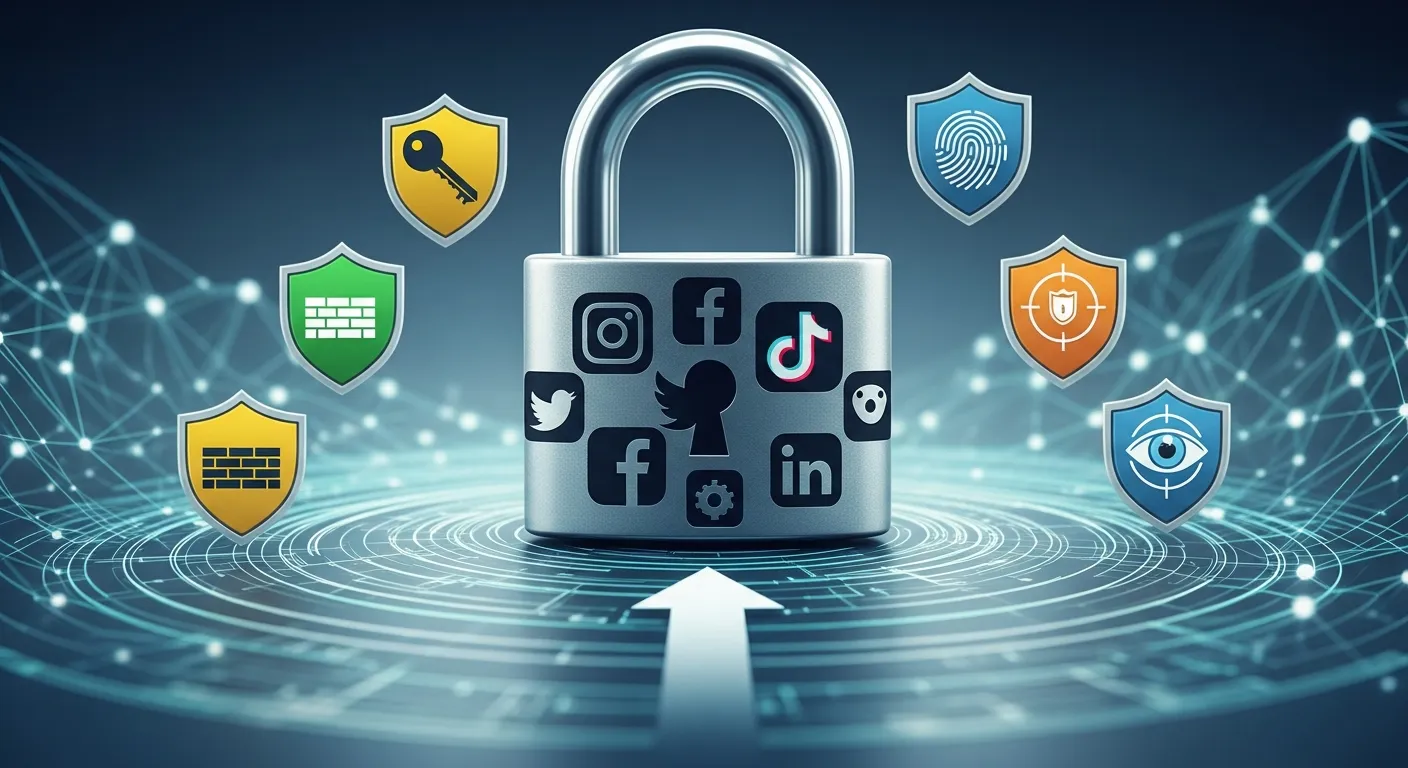
While you cannot completely eliminate the risk of cyber attacks, you can take several critical steps to significantly reduce your vulnerability. Preventing a social media security breach requires diligence, awareness, and the right security tools.
Strengthen and Diversify Your Passwords
Create entirely unique, highly complex passwords for every single social media account you own. Use a random combination of uppercase and lowercase letters, numbers, and special characters. You should strongly consider using a reputable password manager to generate and store these strong passwords securely.
Never use personal information like birthdays, names, or street addresses in your passwords. Even if this information is hidden on your profile, attackers regularly discover it through public records to execute a social media security breach.
Enable Two-Factor Authentication (2FA) Immediately
Two-factor authentication (2FA) adds a critical extra layer of security by requiring a second form of verification beyond your standard password. Even if attackers steal your password, they cannot execute a social media security breach without accessing that secondary verification code.
Most major platforms offer various 2FA options, including text messages, dedicated authentication apps, or physical hardware security keys. Always choose an authentication app over SMS text messages, as text messages remain highly vulnerable to sophisticated SIM swapping attacks.
Regularly Audit and Review Privacy Settings
Social media platforms frequently update their internal privacy settings and data policies. You must regularly review and adjust your privacy settings to aggressively limit the amount of personal information visible to complete strangers. Restrict exactly who can contact you, see your friends list, or tag you in public posts.
Be particularly careful about automatic location sharing features. These features provide attackers with real-time information about your exact whereabouts and daily routines, making you vulnerable to physical threats alongside a digital social media security breach.
Be Highly Cautious with Third-Party Apps
Before connecting any third-party applications to your social profiles, thoroughly research the app developer and read independent reviews from other users. Only grant the absolute minimum permissions necessary for the app to function properly.
Regularly audit your account settings and immediately remove apps you no longer actively use. Pay close attention to the specific permissions requested. Be highly suspicious of simple apps that ask for aggressive access, such as a basic puzzle game requesting full access to read and send your private direct messages.
Recognize the Signs of Phishing
Train yourself to spot phishing attempts before you click. Always verify the sender’s email address carefully, looking for slight misspellings of official company names. Never click on urgent links demanding you log in immediately to “verify your account” or “prevent deletion.”
Instead of clicking the provided link, open a new browser tab, navigate directly to the social media platform yourself, and check your account notifications safely. This simple habit prevents a massive percentage of social media security breach incidents.
What to Do if You Experience a Social Media Security Breach
Despite your absolute best efforts and aggressive security measures, you may still fall victim to a social media security breach. Quick, decisive action minimizes the total damage and helps you rapidly regain control of your compromised accounts.
Immediate Response Steps
If you even slightly suspect your account has suffered a social media security breach, immediately change your password. If you use that same password anywhere else, change it there too. Enable two-factor authentication instantly if it was not already activated.
Check your deep account settings for any unauthorized changes. Hackers often add new recovery email addresses or phone numbers to your profile to ensure they can break back in after you change the password. Remove any contact info that does not belong to you.
Contain the Social Media Crisis
Review your recent public posts, direct messages, and overall activity to identify any malicious content posted by the attacker. Delete these malicious posts immediately.
Inform your friends, family, and professional contacts about the social media security breach as quickly as possible. Tell them not to click any links or respond to any strange messages sent from your account recently. This rapid communication contains the breach and prevents a larger social media crisis among your network.
Report the Incident to the Platform
Contact the social platform’s official support team to officially report the social media security breach and request deeper assistance in securing your account. Most major platforms have dedicated, automated processes for handling compromised accounts. They can help restore your access even if the hacker locked you out completely.
If the social media security breach involved direct financial fraud or severe identity theft, you must file official reports with local law enforcement and your relevant financial institutions. Document all evidence of the social media security breach meticulously. Take clear screenshots of malicious posts, strange messages, and unauthorized login locations, as you may need this specific information for future investigations or insurance claims.
Frequently Asked Questions (FAQ)
What is the most common cause of a social media security breach?
The most common cause remains weak, reused passwords combined with sophisticated phishing emails. Users often reuse simple passwords across multiple websites, meaning one compromised site easily leads to a massive social media security breach. Implementing a password manager effectively solves this major vulnerability.
How do I know if I have suffered a social media security breach?
You might notice strange posts on your timeline, messages you never sent, or unexpected password reset emails in your inbox. Sometimes, your friends will notify you that your account is sending them weird links or requests for money. Always investigate these anomalies immediately to stop a social media security breach.
Can a social media security breach affect my offline life?
Yes, hackers can steal your location data, daily routines, and family details to facilitate real-world stalking, harassment, or targeted burglary. Additionally, stolen financial information can lead to severe identity theft that impacts your offline credit score. Protecting your digital footprint protects your physical safety.
How can brands prevent a social media crisis after a hack?
Brands must prepare a crisis communication plan ahead of time and strictly limit the number of employees who have administrative access to their accounts. Responding quickly and transparently with the public helps mitigate the damage. You can learn more about related brand strategies by understanding what is media relations during an emergency.
Why do hackers want my social media account?
Hackers want your account to exploit the trust you have built with your friends, family, and followers. They use your trusted identity to distribute malware, promote cryptocurrency scams, or trick your loved ones into sending them money. Your digital identity is highly valuable on the dark web.
Does two-factor authentication guarantee I won’t get hacked?
While 2FA blocks the vast majority of automated attacks, it is not a perfect guarantee against a highly targeted social media security breach. Sophisticated hackers use advanced phishing techniques to trick users into handing over their 2FA codes. You must remain vigilant even with strong security measures active.
How do third-party apps cause a social media security breach?
When you give a third-party app permission to access your profile, you trust their security systems to protect your data. If that external app gets hacked, the attackers can pull your social media data through that app’s active connection. Always audit and remove unused apps regularly.
Are traditional marketing channels safer than digital platforms?
Traditional channels do not face the same immediate hacking risks, but they lack the massive engagement and reach that digital platforms provide. A breach is a risk unique to digital connectivity. For a deeper dive into this comparison, explore digital media vs traditional media to understand the tradeoffs.
Should I delete my account after a social media security breach?
Deleting your account is usually an extreme overreaction unless you plan to stop using social media entirely. Instead, secure the account by changing passwords, enabling 2FA, and removing unauthorized connected apps. Rebuilding your network from scratch is often much harder than securing your current profile.
Do marketing campaigns increase the risk of a social media security breach?
Running large campaigns requires sharing account access with multiple agencies and creators, which naturally increases your total attack surface. Strict access controls and credential management are necessary when collaborating. You should safely measure influencer campaign success without handing out your master passwords.


I’m a passionate digital strategist and content creator focused on crisis communication, social media management, and online reputation. At SMCrisis, I share insights, tips, and real-world strategies to help brands navigate challenges, protect their image, and build trust in the digital space. My goal is to make crisis management simple, smart, and actionable for every business.





No Comments