


PR builds long-term credibility through earned media and broad exposure, while Influencer Marketing drives targeted engagement and sales through paid creator partnerships. Choosing the right strategy—or combining both—depends on goals, audience, and resources.
Marketing teams face a constant dilemma when allocating their annual budgets. Should they invest heavily in traditional public relations, or should they jump fully into Influencer Marketing? Both strategies can build massive brand awareness and drive serious sales. However, they work in fundamentally different ways.
Understanding these core differences helps you choose the absolute best approach for your specific business goals. The ongoing confusion among brand managers is completely understandable. Both public relations and Influencer Marketing involve working with external third parties to promote your brand. Both distinct strategies aim to build public credibility through external, third-party validation.
However, the structural similarities end right there. Public relations focuses strictly on earned media through established journalists and professional publications. Influencer Marketing leverages direct, paid partnerships with creative content creators. This comprehensive guide breaks down the major differences between PR and Influencer Marketing. We will explore their unique benefits and help you decide which powerful strategy will work best for your brand.
What is Public Relations (PR)?

Public relations involves securing media coverage, distributing press releases, and crafting strategic stories. It is the professional practice of managing the delicate communication between your brand and the general public. PR professionals work tirelessly to secure favorable coverage in newspapers, magazines, podcasts, and online publications. They pitch compelling story ideas that perfectly match a specific publication’s editorial interests.
Traditional PR depends heavily on building deep relationships with journalists, editors, and media producers. Successful PR teams learn how to cultivate these conditions over many years. They must deeply understand the editorial calendar and specific coverage areas of each publication. When executed well, PR produces high-quality media coverage that carries significant credibility.
The Core Focus of PR Campaigns
A standard PR campaign usually focuses on major company news, massive product launches, or industry expertise. A highly successful PR strategy might include placing a feature story in a major national publication. It might involve getting your CEO quoted as a primary expert in respected industry articles.
The timeline for seeing real PR results often extends over several months. It takes considerable time to build trust with skeptical journalists. Furthermore, there is absolutely no guarantee that your pitches will actually lead to published coverage. However, when PR expeditions do succeed, they mitigate brand risks and establish rock-solid, long-term reliability for your brand.
What is Influencer Marketing?
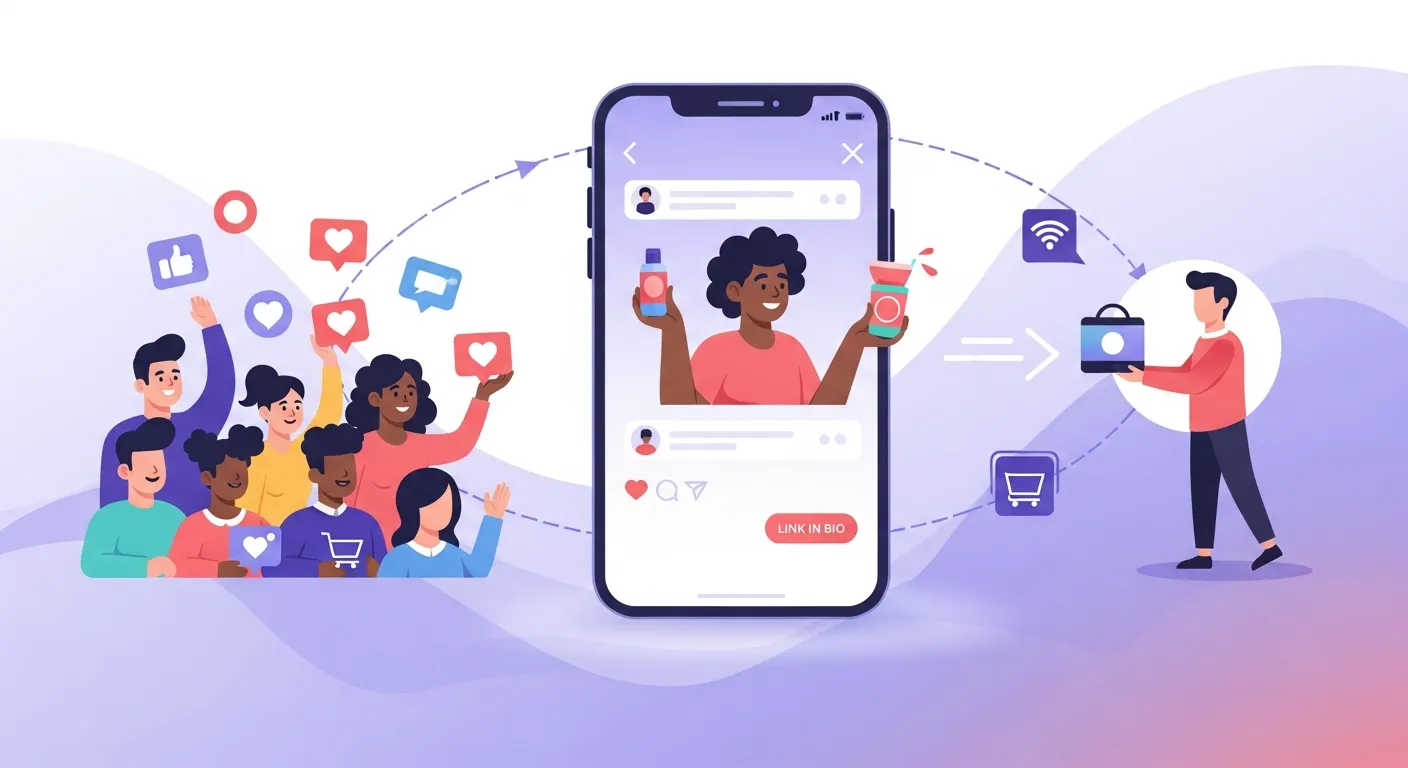
Influencer Marketing includes strategic collaboration with creative individuals who have built dedicated audiences on social media platforms. These creators share effective posts, detailed product reviews, and brand cooperation announcements with their loyal followers. Influencer Marketing leverages their unique ability to affect purchasing decisions regarding specific products or services.
Unlike traditional PR, Influencer Marketing usually involves direct, guaranteed payment for publicity. Brands pay those affected to make engaging materials featuring their products. While compensation may sometimes include free products or exclusive event access, Influencer Marketing primarily relies on financial transactions. The key distinction is that the promotion is paid, and the financial relationship is clearly revealed to the audience. Learn more about managing these partnerships, influencer relationship management
Types of Influencer Marketing Campaigns
Influencer Marketing campaigns can vary wildly from single, dedicated posts to massive, long-term ambassador programs. A fitness apparel brand might work with a local yoga instructor for one single Instagram post. Alternatively, they might develop a year-long partnership where the creator wears their products in every workout video.
The massive appeal of Influencer Marketing lies entirely in its raw authenticity and highly targeted abilities. The audience follows these creators because they genuinely depend on their opinions and enjoy their content. When a trusted creator recommends a product through Influencer Marketing, it feels exactly like a personal recommendation from a close friend. This drives social media marketing success far better than a traditional, sterile advertisement.
Key Differences Between PR and Influencer Marketing
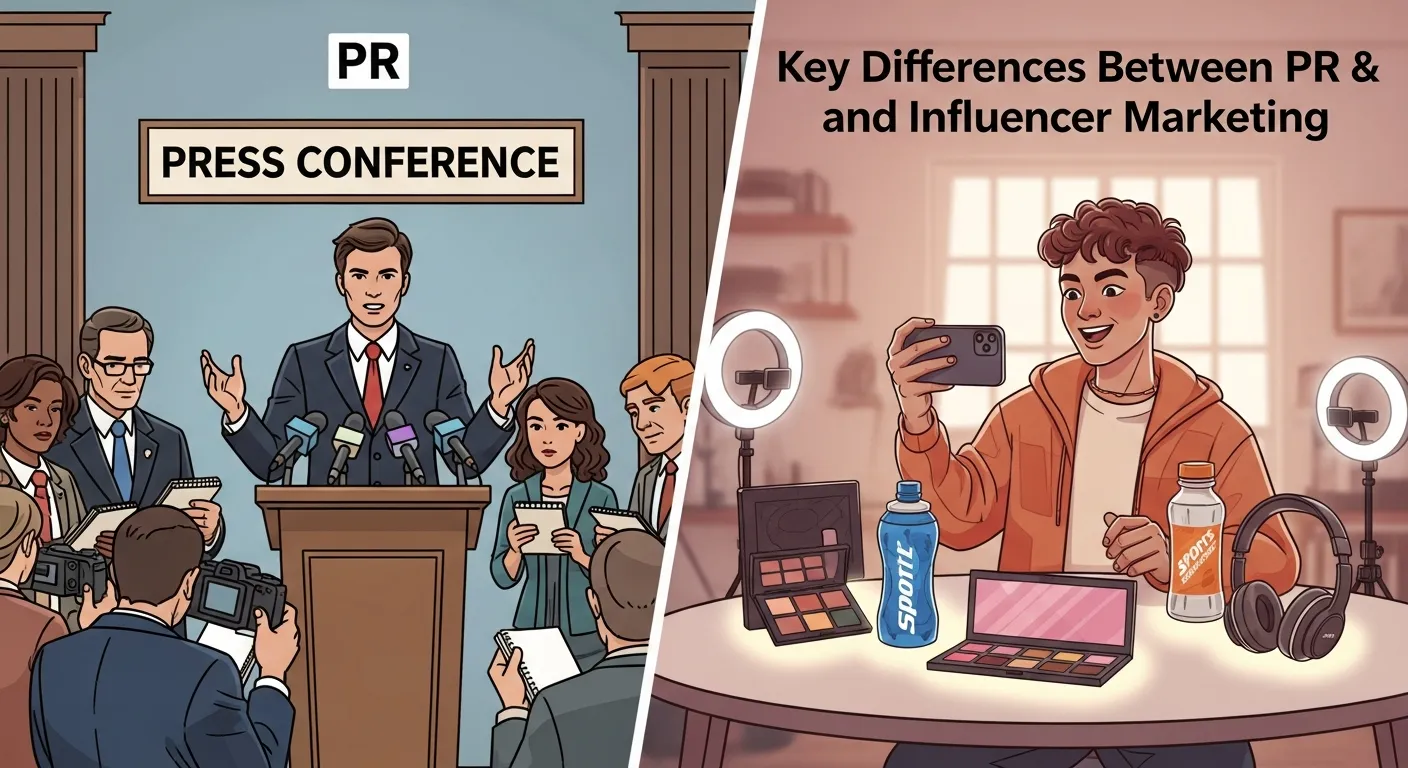
To make the right choice for your social media marketing budget, you must understand how these strategies contrast. We have broken down the core differences into clear, actionable categories.
PR vs. Influencer Marketing
|
Feature |
Public Relations (PR) |
Influencer Marketing |
|---|---|---|
|
Primary Channel |
News outlets, magazines, TV |
Instagram, TikTok, YouTube |
|
Cost Structure |
Time investment, agency fees |
Direct payment to creators |
|
Content Control |
Very low (Journalist decides) |
High (Brand approves content) |
|
Audience Targeting |
Broad and general |
Highly specific and niche |
|
Trust Factor |
Institutional authority |
Personal, parasocial connection |
Control and Messaging
PR offers incredibly limited control over your final messaging. When you pitch a complex story to a journalist, they alone decide exactly how to frame it. They choose what specific quotes to include and what editorial angle to take. You provide the key messages, but the journalist ultimately controls the final public narrative.
Influencer Marketing provides significantly more control over content creation. Successful partnerships always give creators creative freedom. However, brands can establish crystal-clear guidelines about messaging, visual elements, and mandatory talking points. This level of control helps ensure strict brand consistency across all social media marketing campaigns.
Audience Targeting
PR typically targets much broader audiences through massive mass media outlets. A feature story in a major national newspaper might reach millions of diverse readers. However, those readers represent vastly different demographics, income levels, and personal interests. PR builds general brand awareness but struggles to reach highly specific, niche audiences effectively.
Influencer Marketing excels beautifully at precise, laser-focused audience targeting. Creators build massive audiences around highly specific interests, exact demographics, and distinct lifestyles. A vegan beauty brand can use Influencer Marketing to partner exclusively with cruelty-free makeup artists. This guarantees their message reaches highly relevant, motivated buyers.
Content Format and Platform
PR content appears almost entirely in traditional media formats. These include written articles, formal interviews, and broadcast news stories. These strict formats follow rigid journalistic standards and unyielding editorial guidelines. This limits creative expression but provides immense credibility through established, historical media channels.
Influencer Marketing heavily leverages social media platforms using highly diverse, engaging content formats. Creators produce dynamic videos, casual photos, interactive stories, and live streams that feel completely native to each specific platform. This exciting variety allows for much more creative social media marketing content that strongly resonates with younger, digital-first audiences.
Cost Structure
PR costs relate primarily to internal staff time and long-term relationship building. While you might hire an expensive PR agency, the actual media coverage remains “earned” rather than directly bought. Securing this coverage requires a massive time investment, and there is never a firm guarantee of published results.
Influencer Marketing involves direct, contractual payment for guaranteed content creation. You pay creators directly to publish specific content within strictly agreed timeframes. This predictable structure makes budgeting incredibly easy. However, costs scale up very quickly when your Influencer Marketing strategy requires multiple high-profile creators. Discover the exact terminology used in these strategies on influencer relations.
Credibility and Trust
PR benefits tremendously from the established, historical credibility of legacy media outlets. When a highly respected financial publication writes positively about your software brand, readers immediately transfer their trust. This powerful third-party validation carries significant, long-lasting weight with educated audiences and potential investors.
Influencer Marketing leverages deeply personal relationships and strong parasocial connections. Audiences inherently trust creators because they feel like they actually know them personally. This intimate trust proves incredibly powerful for driving immediate sales. However, it remains fragile and depends entirely on the creator avoiding a sudden social media crisis.
When to Choose PR
Public relations works best when you have genuinely newsworthy stories to tell the public. Massive product launches, major company milestones, and unique perspectives on current global events make excellent PR opportunities. If your growing brand has interesting data that would appeal to journalists, PR provides highly valuable exposure.
You should heavily consider PR when building long-term corporate credibility remains your top priority. Media coverage from highly respected publications creates lasting, institutional credibility. This credibility benefits your brand for many years. It proves particularly valuable for B2B companies, financial services, and brands targeting highly affluent audiences.
PR also serves as the ideal choice when you need to reach massive, broad audiences incredibly quickly. A major national media placement exposes your brand to millions of people in a single afternoon. This explosive mass exposure proves vital for brand awareness campaigns, serious crisis communication, or major executive announcements.
Finally, choose PR when you have limited advertising budgets but incredibly strong, compelling stories. While PR requires intense time and skill, the actual media coverage does not require a media buy. This makes PR an highly attractive option for aggressive startups with amazing stories but tiny marketing budgets.
When to Choose Influencer Marketing
Influencer Marketing absolutely excels when you need to reach highly specific, passionate niche audiences. If your ideal customers religiously follow particular types of digital content creators, Influencer Marketing provides direct, unfiltered access to these buyers. This specific targeting proves especially valuable for modern lifestyle products and niche subscription services.
You must consider Influencer Marketing when you want to visually demonstrate product usage or complex benefits. Creators can physically show your products in action, provide detailed video tutorials, or share intimate personal experiences. This visual demonstration capability proves particularly powerful for cosmetics, software, or complex fitness equipment.
Influencer Marketing works incredibly well for driving immediate, trackable consumer action. PR focuses heavily on general awareness and slow credibility. Conversely, Influencer Marketing content includes direct calls-to-action, trackable discount codes, and direct purchase links. This makes Influencer Marketing highly effective for driving fast sales and measurable sign-ups.
Choose Influencer Marketing when you desperately need highly predictable content creation. With Influencer Marketing, you know exactly what specific content will be created. You know exactly when it will be published and exactly what audiences will see it. This high predictability helps tremendously with tight campaign planning and strict budget allocation.
Combining PR and Influencer Marketing
Many highly successful global brands use both PR and Influencer Marketing as powerful, additional strategies. PR creates deep long-term reliability and massive extensive awareness. Meanwhile, Influencer Marketing provides strict goal access and runs highly specific sales functions. This strategic combination proves vastly more effective than using either strategy completely alone.
Consider using PR to establish strong idea leadership and corporate credibility first. Then, utilize specific Influencer Marketing campaigns to reach highly segmented buyer groups. For example, a major technical company might use PR to position its CEO as a leading industry expert. Then, they use Influencer Marketing to have tech reviewers visually demonstrate their new gadgets.
You can actively use these distinct strategies to support each other. Aggressive PR campaigns provide the institutional reliability that makes your Influencer Marketing partnerships much more efficient. Similarly, highly successful Influencer Marketing expeditions produce massive online buzz. This digital buzz makes traditional journalists much more interested in covering your brand.
Careful time coordination between PR and Influencer Marketing massively increases your final results. Start your PR campaign early to create broad awareness of major corporate announcements. Then, deploy your Influencer Marketing content to maintain digital speed and drive direct sales conversions. This smart sequence maximizes the financial effect of both distinct strategies.
Making the Right Choice for Your Brand
Consider your primary social media marketing objectives deeply when choosing between PR and Influencer Marketing. If raw brand credibility and executive thought leadership remain your absolute top priorities, PR serves as the much better choice. If you need to drive immediate, trackable sales from highly specific audiences, Influencer Marketing proves far more effective.
Evaluate your currently available internal resources and exact campaign timeline. PR requires significant time to build journalist relationships and secure coverage, with absolutely no guarantee of final results. Influencer Marketing campaigns provide highly predictable outcomes but require a dedicated cash budget for creator compensation. Choose the distinct strategy that aligns best with your actual resources.
Think carefully about your exact target audience and precisely where they consume daily content. If your ideal customers read heavy industry publications and follow traditional news outlets, PR reaches them effectively. If they remain highly active on visual social media and religiously follow digital content creators, Influencer Marketing provides vastly better access.
Consider your brand’s unique story and specific visual content needs. If you possess genuinely newsworthy stories and deep industry expertise to share, PR helps you reach relevant, educated audiences. If you need to visually demonstrate physical products or create highly engaging social content, Influencer Marketing remains much more suitable.
Your Path to Social Media Marketing Success
Both PR and Influencer Marketing lead to massive, significant business results when your team performs them properly. The ultimate key involves completely understanding your exact goals, knowing your audience deeply, and choosing the specific strategy best adapted to your resources.
Begin your journey by clearly defining exactly what you want to achieve this quarter. Do you need to make broad brand awareness, establish corporate credibility, sell physical products, or win a new audience? Your specific goals guide your strategy and help you accurately measure your ultimate success.
Remember always that these powerful strategies are never mutually exclusive. The most successful modern brands use both PR and Influencer Marketing to achieve vastly different goals and reach entirely different target groups simultaneously. Think deeply about how these distinct approaches can work beautifully together to support your overall social media marketing goals.
The absolute most important factor remains the overall quality of your campaign execution. Whether you choose PR, Influencer Marketing, or a hybrid of both, success depends entirely on the creation of authentic conditions. You must produce highly valuable materials and continuously fulfill your brand promises. Focus intensely on giving real value to your audience, and massive financial results will inevitably follow.
Frequently Asked Questions (FAQ)
1. What exactly is Influencer Marketing?
Influencer Marketing is a specific social media marketing strategy where brands pay content creators to promote products. These creators use their established trust to drive brand awareness and direct sales. It functions much like a digital, highly targeted celebrity endorsement.
2. How do we avoid a scandal during an Influencer Marketing campaign?
You must thoroughly vet every creator’s past posts, public behavior, and audience alignment before signing any contracts. Understanding the common causes of a social media crisis helps your brand identify major red flags and prevent severe reputational damage.
3. What happens if our influencer partner’s account gets hacked?
If a creator’s account is compromised and begins posting malicious links, you must immediately pause your Influencer Marketing campaign. Reviewing a guide regarding a social media security breach helps your internal team respond rapidly to protect your customers.
4. Is PR or Influencer Marketing better for a brand new product launch?
For a brand new product, using both strategies simultaneously works best. PR builds the initial institutional credibility and broad awareness, while Influencer Marketing drives the immediate, trackable sales through visual demonstrations.
5. How do we manage Influencer Marketing relationships safely?
Safe management requires strict internal communication guidelines and clear legal contracts for all sponsored content. Implementing social media crisis management best practices ensures your team knows exactly how to respond if an influencer partnership suddenly turns negative.
6. Can Influencer Marketing completely replace traditional PR?
No, Influencer Marketing cannot completely replace traditional PR because they serve different foundational purposes. PR builds institutional trust and manages corporate reputation, while Influencer Marketing excels at targeted community engagement and direct consumer sales.
7. How much does a standard Influencer Marketing campaign cost?
Costs vary wildly depending entirely on the specific creator’s total follower count, engagement rate, and required content format. A micro-influencer might charge a few hundred dollars, while a massive celebrity demands hundreds of thousands per post.
8. Why is creative control so different in PR versus Influencer Marketing?
Journalists require absolute editorial independence to maintain their professional integrity, giving brands very little control in PR. In Influencer Marketing, the brand pays directly for the placement, allowing them to mandate specific talking points and visual guidelines.
9. How do we measure the exact ROI of our Influencer Marketing?
You measure Influencer Marketing ROI by tracking specific, measurable actions like promo code usage, custom affiliate link clicks, and direct website traffic. These concrete metrics provide a clear picture of exactly how many sales the creator generated.
10. What triggers a social media crisis in an Influencer Marketing campaign?
A social media crisis usually occurs when a brand forces a creator to promote a product that fundamentally contradicts their established values. It also happens when creators fail to properly disclose that their content is a paid advertisement.


I’m a passionate digital strategist and content creator focused on crisis communication, social media management, and online reputation. At SMCrisis, I share insights, tips, and real-world strategies to help brands navigate challenges, protect their image, and build trust in the digital space. My goal is to make crisis management simple, smart, and actionable for every business.












No Comments