


Social media crisis management strategies help brands prepare, respond, and recover from online emergencies. With clear planning, fast communication, and powerful SM crisis tools, businesses can protect their reputation, maintain trust, and turn crises into long-term growth opportunities.
Social media gives you a direct line to your audience. With the right approach, you can build strong relationships, boost awareness, and even increase your revenue. However, in the ever-evolving digital world, things can also go wrong in the blink of an eye. A single misunderstood post, a viral customer complaint, or an inappropriate comment from your brand’s account can escalate into a full-blown emergency. In these high-pressure moments, you need reliable and strategic Social Media Crisis Management to weather the storm and protect all you’ve worked to build.
No business is immune to the unpredictability of social platforms. While it’s impossible to know exactly when disaster will hit, you can—and must—prepare your business to handle SM crisis scenarios with clear strategy and the best tools. This comprehensive guide explores the most effective Social Media Crisis Management strategies, helping you protect your reputation and turn massive challenges into real opportunities for both brand growth and resilience.
1. Understanding the Core of a Social Media Crisis
A social media crisis is distinct from everyday complaints or negative feedback. It’s a sudden event—often unexpected—that spirals beyond individual interactions and begins to threaten your brand’s reputation on a large scale. When a crisis emerges, everyone from your customers to the media is watching how you react and how quickly you can respond.
What Triggers a Marketing Crisis?
The root causes of any marketing crisis may vary from industry to industry, but there are universal danger zones you must stay aware of. Understanding what can spark an SM crisis empowers you to recognize and mitigate small issues before they explode.
Common Causes of a Social Media Crisis:
- Offensive Content: Accidentally posting culturally insensitive, political, or controversial material—whether via copy, images, or even memes.
- Public Backlash: When consumers rally against your business practices or voice serious concerns about your products and services, a backlash can build momentum quickly.
- Viral Complaints: One bad customer experience, if shared widely, can become a viral sensation that sparks broader discussions and negative sentiment.
- Security Breaches: Hackers leaking or exposing customer data on social channels cause severe trust issues and negative media attention.
- Poor Timing: Launching a promotional campaign at the wrong time (such as during a tragedy or sensitive news cycle) can appear tone-deaf or exploitative.
Being proactive—by monitoring these triggers and setting up early warning systems—can often prevent a small disturbance from becoming a headline-grabbing marketing crisis. Remember: what sets an SM crisis apart from a typical complaint is the sheer volume and speed at which the backlash spreads. While a customer service misstep may stay localized, a full-blown marketing crisis has the power to destroy trust, damage credibility, and spread across platforms globally in a matter of hours.
Why Social Media Crisis Management Matters
Your digital presence isn’t just an extension of your brand—it is often the most visible and permanent record of your company’s values and service. Effective Social Media Crisis Management is an investment in preserving your entire business reputation, ensuring your brand maintains trust, credibility, and customer loyalty in a world where information spreads instantly.
Key outcomes of robust Social Media Crisis Management:
- Protecting Customer Trust: Transparency and accountability build enduring relationships, even during difficult times.
- Minimizing Financial Impact: Bad press can lead directly to lost sales, canceled contracts, and decreased brand valuation. Responding quickly and strategically helps you reduce negative financial outcomes.
- Preserving Brand Credibility: How your business responds in a crisis will often be remembered longer than the crisis itself. Demonstrating honesty, empathy, and clear corrective action can actually strengthen your reputation.
To improve your team’s preparation before an SM crisis, check out GPL tools to boost your workflow. Organizational readiness and streamlined workflows empower your crisis management team to act fast, focusing energy on urgent response—rather than routine administration—when pressure mounts.
SM Crisis Management is about staying ahead of potential issues. Whether you’re a global enterprise or a local small business, everyone with a presence on social media needs to put Social Media Crisis Management front and center in their planning and daily routines. Consider regular training, well-defined escalation protocols, and periodic reviews of your preparedness as vital safeguards for your brand’s future.
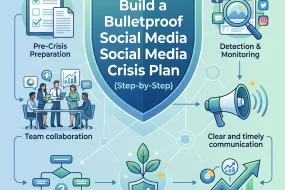
2. Crafting a Bulletproof Crisis Management Plan
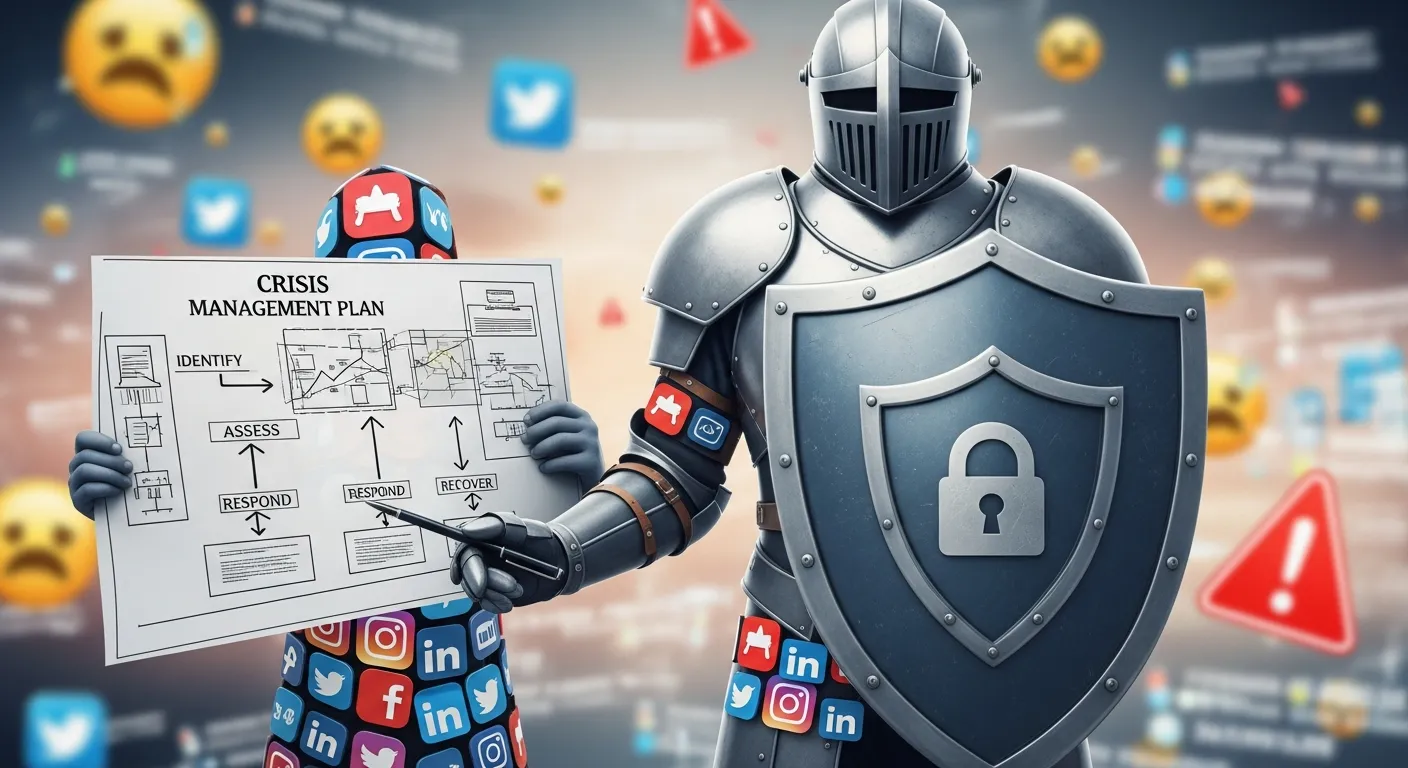
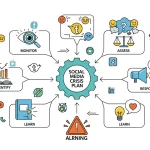
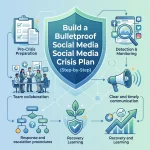
Nothing is more vital in Social Media Crisis Management than advanced preparation. The best brands don’t wait for disaster to strike—they develop, practice, and perfect their response plans long before adversity appears. Creating a step-by-step plan ensures your team is aligned, calm, and decisive when every second counts.
The Chain of Command and Rapid Response
When a marketing crisis breaks, confusion and indecision are your worst enemies. A clear chain of command—crafted as part of your Social Media Crisis Management policy—eliminates bottlenecks and ensures speed, accuracy, and unity in your external communications.
Build your crisis management team by defining:
- Decision-makers: Who makes the final calls on crisis response?
- Approvers: Who reviews and signs off on statements, posts, and direct outreach?
- Spokespersons: Who is authorized to speak to the public and media?
- Monitors: Who watches platforms and acts as the eyes and ears of your organization?
Pro Tips:
- Draft and frequently update templated, pre-approved responses for different crisis scenarios. This prework ensures that during an SM crisis, you can communicate instantly while still maintaining brand voice and legal compliance.
- Never delay acknowledgment. If you know a crisis is developing but lack full information, use a statement like, “We are aware of the situation and actively investigating. We will provide updates soon.” Silence or deflection can make your brand look disorganized or guilty.
Comparing Communication Approaches
When emotions run high, the way you communicate determines whether you’ll fan the flames or begin to rebuild trust. Below is a deeper perspective on effective versus ineffective strategies in Social Media Crisis Management:
|
Strategy Type |
Ineffective Approach |
Effective Crisis Management |
|---|---|---|
|
Initial Acknowledgment |
Ignoring or deleting comments |
Issuing a fast holding statement to show awareness |
|
Tone of Voice |
Defensive, corporate speak, or aggression |
Empathetic, sincere, and human |
|
Information Sharing |
Hiding details, giving vague or false statements |
Transparent, factual updates at regular intervals |
|
Resolution Focus |
Making excuses, blaming customers or vendors |
Taking ownership, explaining next steps and fixes |
Monitoring tools are essential: To accurately track your brand mentions and overall team performance during a crisis, see how to choose the right tracking tools. Utilizing advanced SM crisis software will keep your finger on the pulse of public sentiment and help you refine your Social Media Crisis Management approach in real time.
Practicing Your Crisis Plan
Preparation is more than a policy on paper. Hold regular simulations (“war games”) to test your team’s response to hypothetical SM crisis scenarios. Run social listening drills, mock PR outreach, and rehearsed cross-team meetings. This strengthens internal communication, increases confidence, and uncovers gaps in your plan before those gaps appear in front of millions of users.
Sample Drill Structure:
- Brief the team on an unexpected (but plausible) crisis.
- Use real-life tools to monitor brand mentions and incoming messages.
- Respond in real time using templates, chain-of-command approvals, and escalation protocols.
- Conclude with a post-mortem: What could have gone better? Who faced delays? Were all statements legally compliant and on-brand?
Crisis management works best when your plan is living and adaptable, not just a static document. Regularly update and iterate on your crisis management plan using post-crisis learnings and newly available tools and technology.
3. Advanced Tools and Long-Term Crisis Recovery
Modern Social Media Crisis Management relies on automation and analytics as much as it does on human insight. No matter your industry or company size, tech-enabled SM crisis tools provide a competitive edge for detection, coordination, and reporting.
Leveraging SM Crisis Software
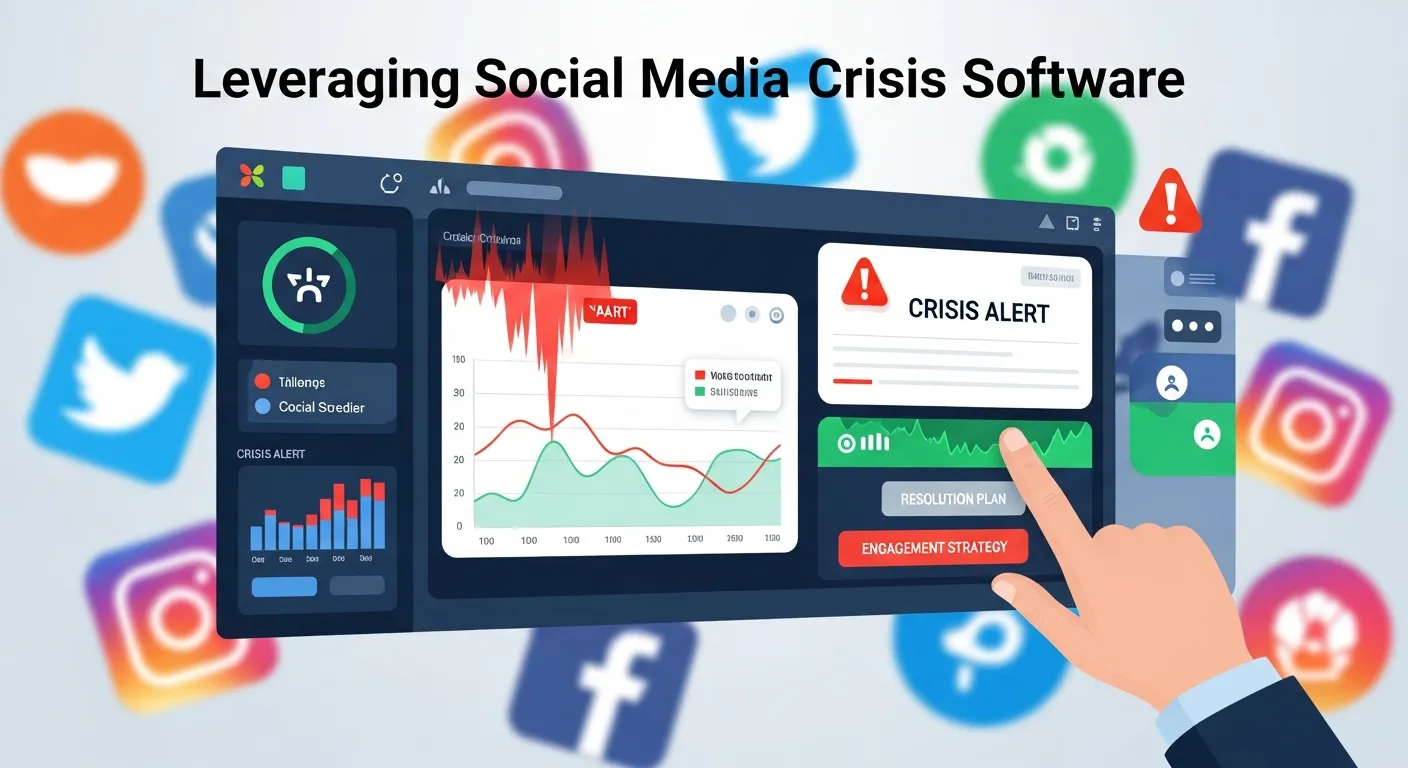
SM crisis software enables you not only to quickly catch negative trends but also to coordinate every aspect of your response. These platforms act as command centers, transforming scattered teams into united forces primed to tackle the marketing crisis together.
Key Features of Leading Crisis Management Tools:
- 24/7 Monitoring: Catch negative keywords, hashtags, and sudden spikes in real-time—before small issues explode into widespread SM crisis events.
- Sentiment Analysis: AI tools quickly tell you if the tone of conversation around your brand is changing for the worse so you can intervene promptly.
- Centralized Dashboards: Manage task assignments, communications, and approvals from one place so that all team members are working together, not at cross purposes.
- Automated Alerts: Platforms notify your team instantly if crisis thresholds are reached based on customizable rules.
- In-depth Analytics: After the storm passes, the software provides detailed breakdowns of what worked and what didn’t, feeding vital data back into your Social Media Crisis Management planning.
To learn more about integrating broader software solutions that support crisis recovery, check out this guide to comprehensive marketing tools. When your recovery and crisis management tools speak to each other, you’re able to unify messaging and address both urgent and long-term needs.
Comparison of Popular SM Crisis Tools
|
Tool |
Core Strengths |
Ideal Users |
Pricing Model |
|---|---|---|---|
|
Hootsuite |
Real-time monitoring, multichannel |
Large/medium businesses |
Tiered subscription |
|
Sprout Social |
Sentiment analysis, analytics |
Small/medium businesses |
Tiered subscription |
|
Brandwatch |
Deep data, filtering, enterprise support |
Enterprises |
Custom |
|
Mention |
Agile monitoring, alerts |
Small/local businesses |
Affordable tiers |
|
Meltwater |
Media + influencer analytics |
PR & marketing teams |
Custom |
Choosing the right SM crisis software: Always match the tool’s strengths to your business’s greatest risks. Whether you worry most about product issues going viral or PR blunders, select tech that gives you the visibility and speed you need.
Controlling the Narrative and Post-Crisis Learning
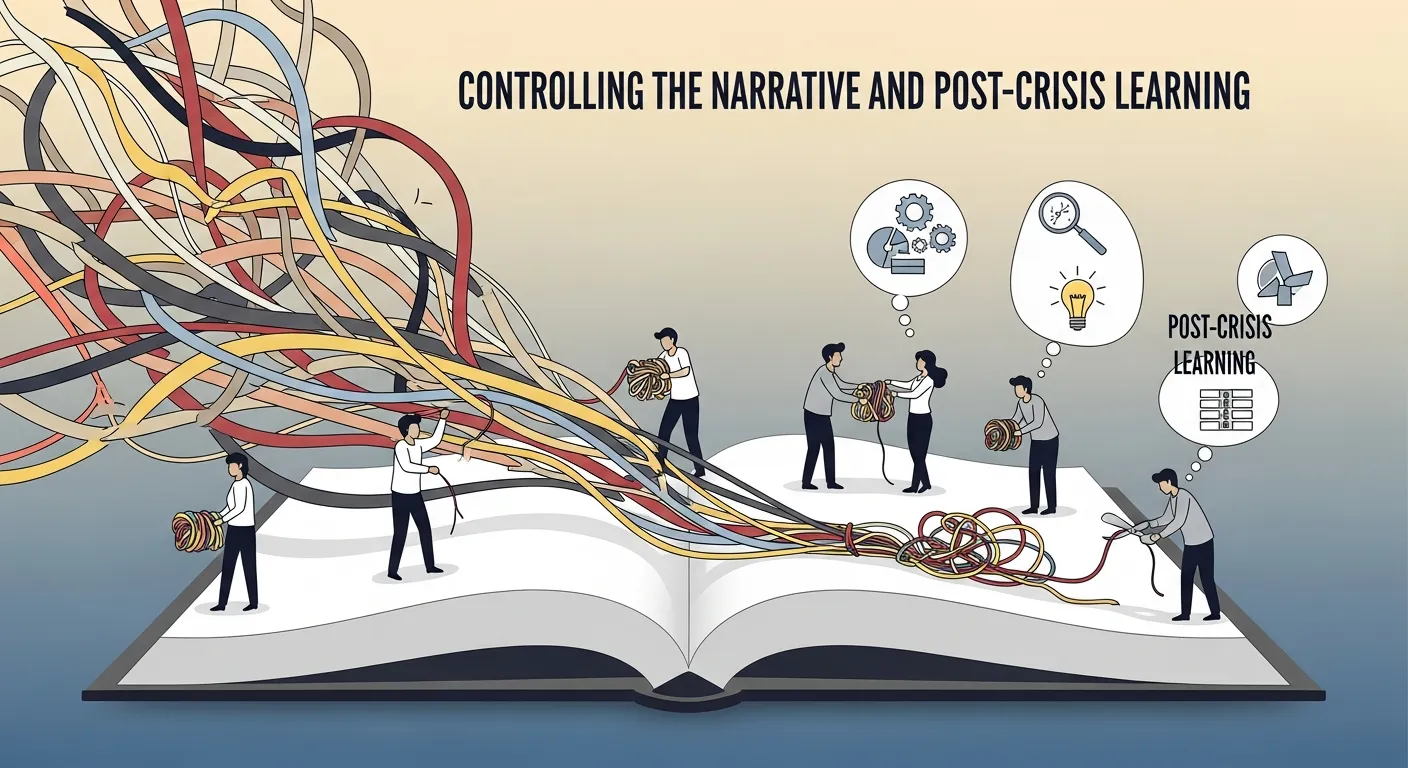
Loss of control is the greatest fear in a marketing crisis. Your job, through robust Social Media Crisis Management, is to actively shape the public narrative and demonstrate consistent leadership.
Take these steps to maintain the upper hand:
- Monitor and respond: Use SM crisis software to constantly listen across all platforms. Jump on key comments to address misinformation immediately.
- Constructive engagement: Even if emotions are high, keep replies calm and solution-focused. Avoid antagonizing critics; acknowledge valid concerns and detail steps you’re taking.
- Update regularly: Don’t let the conversation drift to speculation. Use owned channels—your website, newsletters, and social accounts—to provide factual, timely updates directly from your team.
Post-crisis learning: Once the initial event is resolved, commit as much energy to reflection and change as you gave to emergency response. Analyze every outreach, every delay, every customer touchpoint. What could have prevented the crisis? Which messages worked best? Where were mistakes made? Update your SM crisis plan, improve technology integration, and use customer feedback to strengthen your overall crisis management resilience.
Long-term benefits: Brands that master Social Media Crisis Management not only avoid long-lasting damage, but often emerge with a stronger, more loyal community and improved internal teamwork. View crisis moments as important inflection points for growth and innovation.
Frequently Asked Questions (FAQ)
What exactly is a social media crisis?
A social media crisis is a widespread negative event online that directly threatens your brand’s reputation. Unlike routine criticism, it scales rapidly, implicating your business in the public eye and demanding an immediate, coordinated response to protect brand equity and customer trust.
How do I build an effective response plan?
You start by defining clear team roles, clarifying the strict chain of command for rapid approvals, and developing templated responses for common emergencies. For more detailed steps, see this guide on managing a social media crisis. Preparation ensures the right people are ready to act quickly.
What is the difference between a normal complaint and an SM crisis?
A standard complaint usually involves one unsatisfied customer and remains isolated. An SM crisis, on the other hand, is characterized by viral escalation—thousands of angry voices, media attention, and a much greater level of risk for long-term brand damage.
Why is acting quickly so important during a marketing crisis?
Quick response shows you value your audience’s concerns and are actively seeking solutions. It closes gaps in the narrative where rumors can spread and builds public trust. Waiting even a few hours can allow negativity to take on a life of its own, making the SM crisis harder to resolve.
Should we delete negative comments during an emergency?
No, deleting comments can appear evasive and inflame the situation further. Instead, address the concerns transparently and aim to move sensitive conversations to direct messages for personalized attention and resolution.
How does software help with crisis management?
Crisis management tools monitor your presence 24/7, catching spikes in negative sentiment, tracking trends, and triggering alerts before things spiral. This digital media guide gives further insight into the essential role of technology in modern SM crisis management.
What does it mean to “own” the mistake?
Owning the mistake means publicly accepting responsibility without shifting blame, apologizing sincerely, and providing a clear, actionable path forward. Transparency and humility build respect with your audience.
How do your PR and social media teams work together during a crisis?
PR crafts the key messages, ensuring factual accuracy and legal compliance. Social media managers adapt those messages for the platform and users, responding to real-time feedback. Learn exactly what media relations is to ensure teams are aligned.
Can a brand fully recover from a severe marketing crisis?
Yes—if your Social Media Crisis Management plan is robust. With consistent communication, real commitment to change, and ongoing engagement, brands can regain lost trust and even deepen loyalty by showing customers they care and are willing to improve.
What should we do immediately after the crisis ends?
Gather your team for a post-mortem—review analytics and sentiment data, discuss what succeeded and what didn’t, and adjust your Social Media Crisis Management plan for future resilience. Continuous improvement ensures you are better prepared for next time.


I’m a passionate digital strategist and content creator focused on crisis communication, social media management, and online reputation. At SMCrisis, I share insights, tips, and real-world strategies to help brands navigate challenges, protect their image, and build trust in the digital space. My goal is to make crisis management simple, smart, and actionable for every business.








No Comments