


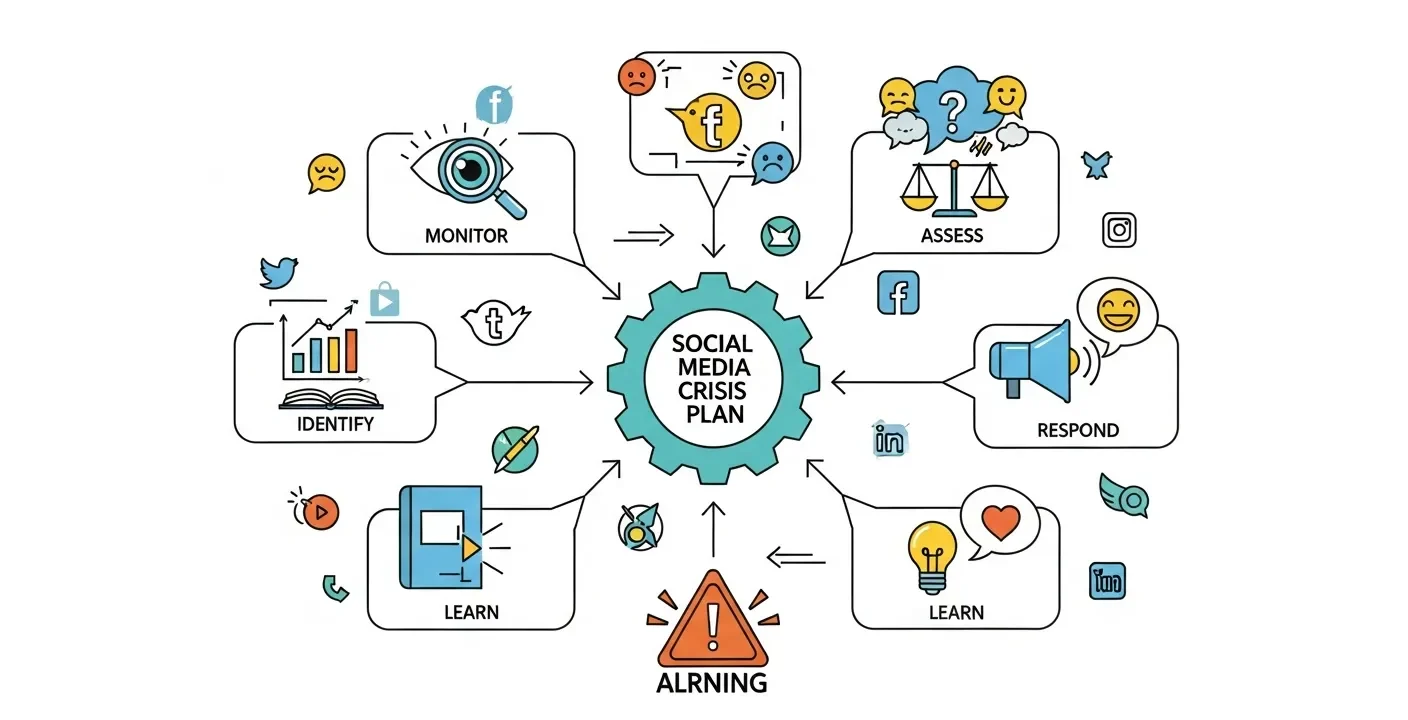
How to Manage a Social Media Crisis Like a ProA social media crisis plan helps businesses respond quickly to online problems, protect brand reputation, maintain customer trust, and improve crisis communication. Strong crisis management strategies reduce risks, strengthen transparency, and help companies recover effectively from digital controversies.
If you are searching for the answer to “how do I build a social media crisis plan,” you are already making a smart business decision. In today’s digital world, social media platforms can help brands grow rapidly, but they can also damage businesses just as quickly. A single negative comment, controversial post, customer complaint, or viral misunderstanding can spread across the internet within minutes and impact brand reputation significantly.
Modern businesses rely heavily on social media strategy for marketing, customer engagement, lead generation, and audience growth. However, every social media strategy also carries risks. Companies that fail to prepare for online problems often struggle with poor crisis communication, inconsistent responses, customer distrust, and long-term reputation damage.
A strong social media crisis plan helps organizations respond quickly, communicate professionally, reduce confusion, and protect customer trust during difficult situations. Effective crisis management is no longer optional because audiences expect transparency, honesty, and fast communication from brands.
Whether you run a small local business, startup company, influencer brand, eCommerce store, or international corporation, social media crisis management should become a major part of your business operations.
This complete guide explains how do I build a social media crisis plan step by step. You will learn about crisis communication systems, brand reputation protection, social media strategy improvements, employee training, response templates, crisis management frameworks, and long-term reputation recovery methods.
Understanding Social Media Crisis Management
What Is a Social Media Crisis?
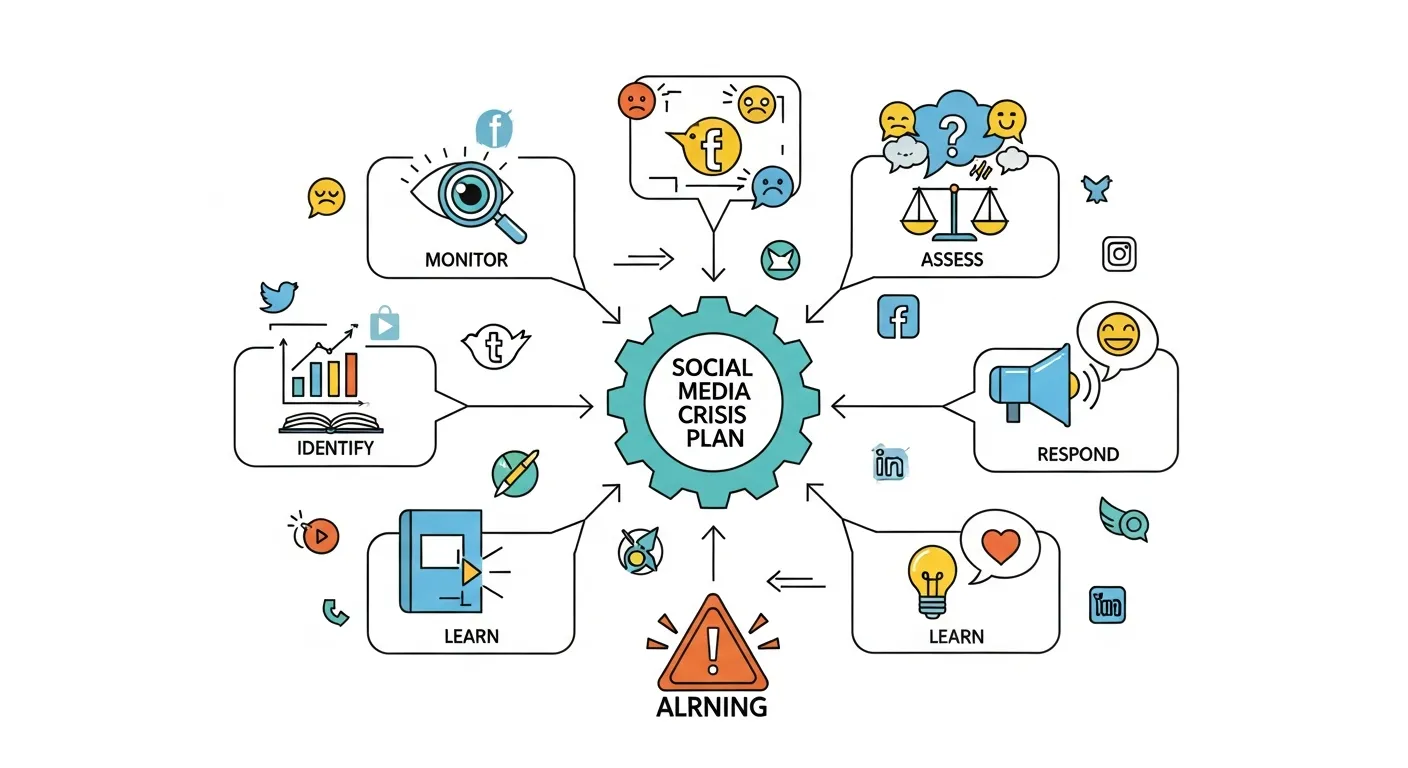
A social media crisis occurs when negative online activity threatens a company’s brand reputation, customer trust, or public image. These situations usually spread rapidly because social platforms allow information to travel instantly.
A crisis may involve:
- Viral customer complaints
- Product failures
- Employee controversies
- Negative press coverage
- Security breaches
- Offensive posts
- Fake news or misinformation
- Poor public responses
Without proper crisis communication planning, small issues can quickly become major public relations disasters.
What Is a Social Media Crisis Plan?
A social media crisis plan is a structured system businesses use to prepare for, manage, and recover from online crises effectively.
The plan usually includes:
- Crisis communication guidelines
- Team responsibilities
- Monitoring systems
- Approval processes
- Response templates
- Escalation procedures
- Reputation recovery strategies
The purpose of crisis management is not only to solve problems but also to protect long-term brand reputation and customer trust.
Why Businesses Need a Social Media Crisis Plan
Social Media Spreads Information Instantly
One reason many businesses ask “how do I build a social media crisis plan” is because social media platforms move incredibly fast.
A single viral post can:
- Reach millions of users
- Create public backlash
- Damage customer trust
- Reduce sales
- Attract media attention
Without crisis management preparation, companies often react emotionally or inconsistently.
Customers Expect Immediate Crisis Communication
Modern consumers expect brands to respond quickly online. Delayed responses often create frustration and increase criticism.
Fast crisis communication demonstrates:
- Responsibility
- Transparency
- Professionalism
- Customer care
Businesses that communicate effectively during crises often recover faster.
Brand Reputation Directly Impacts Revenue
Brand reputation influences:
- Customer loyalty
- Purchase decisions
- Investor confidence
- Partnerships
- Long-term growth
Protecting brand reputation should be a core goal of every social media strategy.
Common Types of Social Media Crises
Customer Service Complaints
Negative customer experiences can spread quickly online when businesses fail to respond properly.
Examples include:
- Delayed shipping
- Poor support experiences
- Refund disputes
- Product quality complaints
Employee Misconduct
Employee actions sometimes create public controversy that damages brand reputation.
Product or Service Failures
Defective products, technical issues, or service outages often trigger widespread criticism.
Security Breaches and Hacked Accounts
Cybersecurity incidents require immediate crisis communication because customer trust is highly sensitive during security emergencies.
Offensive or Insensitive Content
Poorly planned marketing campaigns or offensive posts can create major backlash.
Viral Misinformation
False information spreads rapidly online and requires careful crisis management responses.
How Do I Build a Social Media Crisis Plan Step by Step?
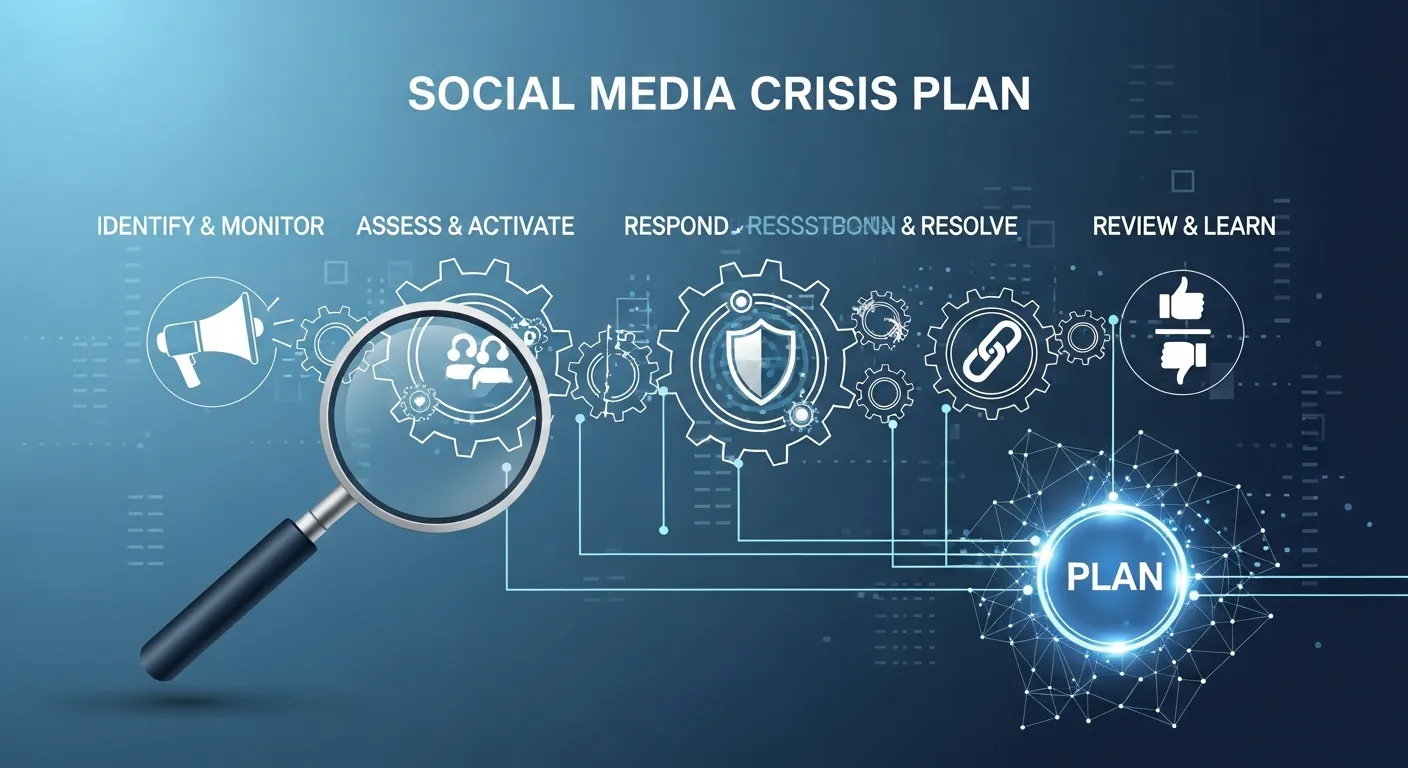
Identify Possible Crisis Risks
The first step in crisis management is identifying all possible threats to your business.
Questions Businesses Should Ask
- What could damage our brand reputation?
- Which platforms carry the highest risk?
- What complaints appear most often?
- Are there employee behavior risks?
- Are customer data systems secure?
- What public issues could affect the brand?
Risk Assessment
| Potential Crisis | Probability | Brand Reputation Impact |
|---|---|---|
| Customer complaints | High | Moderate |
| Hacked accounts | Medium | Severe |
| Employee controversy | Medium | Major |
| Product failure | Medium | Significant |
| Viral misinformation | High | Severe |
| Negative influencer criticism | Medium | Moderate |
A detailed risk assessment improves overall crisis communication planning.
Create a Dedicated Crisis Management Team
Successful crisis management requires organized leadership and clear responsibilities.
Important Team Members
Social Media Manager
Responsible for monitoring platforms and managing communication.
Public Relations Specialist
Handles media communication and public statements.
Legal Advisor
Reviews legal risks and sensitive crisis communication responses.
Executive Leadership
Approves strategic decisions and official company responses.
Customer Support Team
Communicates directly with affected customers.
IT Security Team
Handles cybersecurity threats and technical incidents.
A strong crisis management team improves response coordination and protects brand reputation more effectively.
Develop Crisis Communication Guidelines
Crisis communication should remain professional, calm, and consistent during emergencies.
Important Communication Principles
- Respond quickly
- Remain transparent
- Avoid emotional reactions
- Show empathy
- Share verified information
- Take responsibility when necessary
- Correct misinformation carefully
Crisis Communication Tone Guide
| Crisis Situation | Recommended Tone |
|---|---|
| Customer complaints | Helpful and empathetic |
| Security breach | Serious and informative |
| Product issue | Responsible and supportive |
| Viral criticism | Professional and calm |
| Public controversy | Transparent and respectful |
Consistent messaging strengthens trust and improves crisis management effectiveness.
Monitor Social Media Platforms Constantly
Monitoring is one of the most important parts of a social media strategy.
Businesses should track:
- Brand mentions
- Keywords
- Hashtags
- Customer reviews
- Viral conversations
- Competitor discussions
- Influencer opinions
Early detection allows businesses to respond before issues become uncontrollable.
Benefits of Social Media Monitoring
- Faster crisis communication
- Better customer support
- Improved brand reputation protection
- Early warning detection
- Reduced misinformation spread
Create an Emergency Response Workflow
Every business should create a structured response process before crises happen.
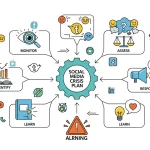
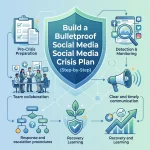
Basic Crisis Workflow
Step 1: Detect the Issue
Monitor platforms continuously.
Step 2: Evaluate Severity
Determine whether the issue is minor, moderate, or severe.
Step 3: Alert the Crisis Team
Notify all responsible departments immediately.
Step 4: Draft a Response
Create accurate and professional messaging.
Step 5: Approve Communication
Leadership or PR teams should approve responses.
Step 6: Publish Updates
Share public communication consistently across all platforms.
Step 7: Monitor Reactions
Track audience feedback and media response.
A structured crisis management workflow improves organization and reduces confusion.
Build Pre-Approved Response Templates
Response templates help businesses communicate quickly during emergencies.
Example Crisis Templates
Customer Complaint Response
Thank customers for reporting the issue and explain how the company will resolve it.
Product Recall Statement
Provide safety information and explain next steps clearly.
Account Security Incident
Inform users about the problem and share security recommendations.
Public Apology Statement
Acknowledge concerns and explain corrective actions sincerely.
Templates improve crisis communication consistency and reduce response delays.
Train Employees on Crisis Management
Employee behavior significantly affects brand reputation during social media crises.
Important Training Topics
Social Media Policies
Employees should understand acceptable online behavior.
Crisis Escalation Procedures
Staff must know how to report potential issues immediately.
Public Communication Rules
Only authorized personnel should speak publicly during crises.
Brand Voice Guidelines
Consistent messaging improves crisis communication quality.
Benefits of Employee Training
- Reduced internal confusion
- Better crisis management coordination
- Stronger brand reputation protection
- Faster response times
Create Platform-Specific Crisis Strategies
Every social media platform requires a different communication approach.
Facebook Crisis Management
Facebook allows longer explanations and detailed updates.
Twitter Crisis Communication
Twitter requires concise and fast responses because conversations move quickly.
Instagram Crisis Strategy
Visual communication and story updates work effectively.
LinkedIn Crisis Communication
Professional language is essential because LinkedIn audiences focus on business credibility.
TikTok Crisis Responses
Brands should respond carefully because TikTok trends spread extremely fast.
Platform-specific social media strategy improves audience engagement and communication clarity.
Importance of Speed in Crisis Communication
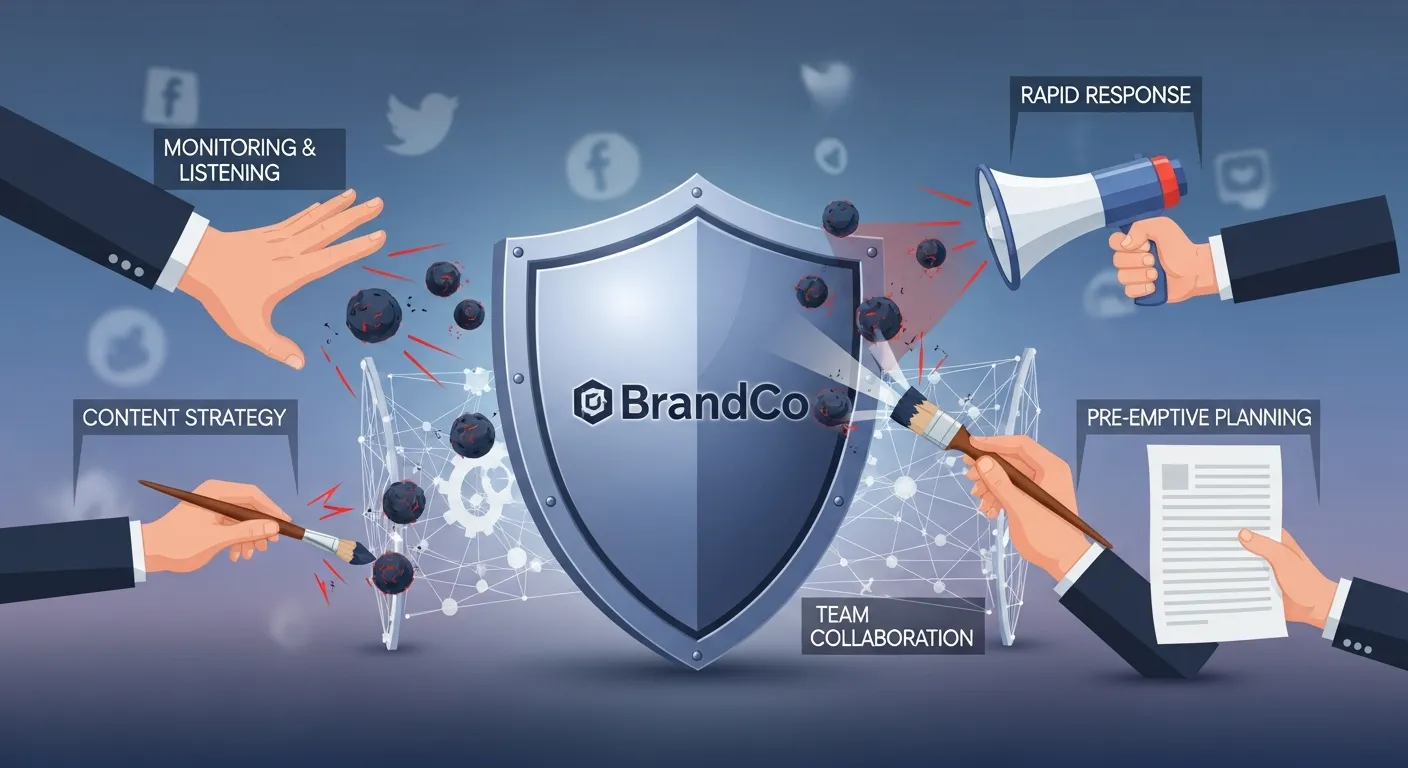
The First Hour Is Critical
The first hour after a crisis begins often determines how audiences react.
Fast responses help:
- Reduce speculation
- Prevent misinformation
- Protect brand reputation
- Demonstrate leadership
- Build customer confidence
Delayed Responses Create Problems
Silence often makes businesses appear careless or dishonest.
Delayed crisis communication may:
- Increase backlash
- Encourage rumors
- Damage trust
- Intensify media attention
Protecting Brand Reputation During Crises
Be Transparent
Transparency builds trust during difficult situations.
Admit Mistakes Honestly
Taking responsibility often improves public perception more than defensive communication.
Avoid Arguments
Businesses should never argue emotionally with audiences online.
Keep Audiences Updated
Regular updates reduce confusion and demonstrate accountability.
Show Genuine Empathy
Customers appreciate compassionate and respectful communication.
Focus on Solutions
Effective crisis management prioritizes problem-solving rather than blame.
Role of Leadership in Crisis Management
Leadership strongly influences how the public views a company during crises.
Leadership Responsibilities
- Approving communication
- Supporting employees
- Managing media relations
- Making strategic decisions
- Protecting brand reputation
Strong leadership improves organizational confidence and public trust.
Building a Strong Preventive Social Media Strategy
Post Consistent Quality Content
Positive content strengthens audience relationships before crises happen.
Engage With Customers Regularly
Strong engagement builds trust and loyalty.
Monitor Audience Sentiment
Understanding customer opinions helps businesses detect risks earlier.
Create Clear Brand Guidelines
Consistent branding improves communication clarity during emergencies.
Build Community Relationships
Brands with loyal audiences often recover faster from crises.
Importance of Transparency in Crisis Communication
Transparency is one of the most important principles in crisis management.
Why Transparency Matters
Transparent businesses appear:
- Honest
- Responsible
- Trustworthy
- Professional
How to Communicate Transparently
- Share verified facts
- Admit mistakes
- Explain corrective actions
- Avoid misleading information
- Provide updates regularly
Transparent communication helps preserve brand reputation long term.
Crisis Escalation Levels
Businesses should categorize crises based on severity.
Low-Level Crisis
Minor complaints with limited visibility.
Medium-Level Crisis
Issues receiving significant online attention.
High-Level Crisis
Major controversies threatening overall brand reputation.
Crisis Severity Table
| Crisis Level | Example | Required Response |
|---|---|---|
| Low | Small complaint thread | Customer support response |
| Medium | Viral criticism | PR involvement |
| High | Security breach | Executive leadership response |
Categorizing crises improves crisis management efficiency.
Importance of Internal Communication During Crises
Internal communication is critical for successful crisis management.
Effective Internal Communication Methods
- Team messaging platforms
- Emergency alerts
- Leadership meetings
- Crisis dashboards
- Shared communication documents
Strong internal coordination improves external crisis communication consistency.
Examples of Effective Crisis Communication
Honest Apologies
Sincere apologies often reduce public anger more effectively than defensive responses.
Quick Public Updates
Frequent updates help control misinformation.
Customer-Focused Communication
Businesses that prioritize customer concerns usually recover faster.
Transparent Leadership Statements
Leadership visibility increases public confidence during crises.
Common Social Media Crisis Management Mistakes
Ignoring Problems
Silence often worsens online criticism.
Deleting Comments Excessively
Removing negative feedback without explanation can increase backlash.
Posting Emotional Responses
Emotional reactions damage professionalism.
Sharing Inaccurate Information
False information destroys customer trust.
Lack of Preparation
Businesses without crisis management plans often struggle during emergencies.
Long-Term Brand Reputation Recovery
After a crisis, businesses should focus on rebuilding trust carefully.
Reputation Recovery Strategies
Improve Customer Service
Excellent support rebuilds customer confidence.
Publish Positive Content
Positive messaging improves public perception gradually.
Continue Transparent Communication
Ongoing honesty strengthens trust.
Learn From Mistakes
Every crisis provides opportunities for improvement.
Measuring Crisis Management Success
Businesses should evaluate how effectively they handled crises.
Important Metrics
| Metric | Purpose |
|---|---|
| Response time | Measures communication speed |
| Customer sentiment | Evaluates public opinion |
| Social engagement | Tracks audience reactions |
| Media coverage | Measures publicity impact |
| Website traffic | Identifies audience behavior |
Performance analysis improves future social media strategy planning.
Future Trends in Social Media Crisis Management
AI-Powered Monitoring
Artificial intelligence tools help businesses detect risks earlier.
Real-Time Analytics
Advanced analytics improve crisis communication decision-making.
Multi-Platform Crisis Coordination
Businesses must manage communication across multiple channels simultaneously.
Increased Public Expectations
Audiences now demand faster and more transparent responses from brands.
Why Crisis Management Should Be Part of Every Social Media Strategy
Crisis management is no longer optional in digital marketing.
Every social media strategy should include:
- Risk assessment
- Employee training
- Communication planning
- Monitoring systems
- Reputation protection
- Crisis recovery strategies
Prepared businesses respond more effectively and recover faster from online challenges.
Benefits of Having a Social Media Crisis Plan
Faster Crisis Communication
Prepared businesses respond quickly and professionally.
Better Brand Reputation Protection
Structured plans reduce long-term reputation damage.
Improved Customer Trust
Professional communication strengthens customer relationships.
Reduced Financial Loss
Effective crisis management reduces revenue impact.
Stronger Team Coordination
Prepared teams perform better during emergencies.
Increased Leadership Confidence
Executives can make faster decisions during crises.
Conclusion
If you are asking, “how do I build a social media crisis plan,” the answer begins with preparation, organization, transparency, and strong communication systems. Social media crises can happen to any business regardless of size or industry. However, companies with professional crisis management strategies recover faster and maintain stronger customer trust.
A successful social media strategy must include crisis communication planning because online conversations move quickly and public expectations continue increasing. Businesses that monitor platforms carefully, train employees properly, and prepare response systems in advance are better equipped to protect brand reputation during difficult situations.
By investing in crisis management preparation today, businesses can reduce future risks, strengthen customer loyalty, and maintain long-term digital credibility in an increasingly connected world.
Frequently Asked Questions
How do I build a social media crisis plan successfully?
To build a social media crisis plan successfully, businesses should identify risks, assign crisis management roles, prepare communication templates, and establish monitoring systems. Employee training and response workflows are also essential. A strong crisis communication plan helps businesses respond quickly and protect brand reputation effectively.
Why is crisis communication important in social media marketing?
Crisis communication is important because social media platforms spread information rapidly. Poor communication can damage customer trust and brand reputation within hours. Professional crisis management helps businesses respond transparently, reduce misinformation, and maintain stronger audience relationships during emergencies.
What should a social media crisis plan include?
A social media crisis plan should include risk assessments, communication guidelines, employee responsibilities, approval workflows, monitoring systems, escalation procedures, and response templates. Businesses should also include platform-specific social media strategy approaches and post-crisis evaluation methods.
How quickly should businesses respond during a crisis?
Businesses should respond as quickly as possible, ideally within the first hour of identifying a problem. Fast crisis communication helps reduce speculation and misinformation. Delayed responses often create distrust and increase public criticism, making crisis management more difficult.
How does social media strategy help during crises?
A strong social media strategy builds audience trust before crises happen. Brands with loyal communities often recover faster because customers are more likely to support businesses they trust. Consistent engagement and positive communication improve overall brand reputation and crisis management effectiveness.
What are the most common social media crises?
Common social media crises include customer complaints, hacked accounts, product failures, employee misconduct, offensive content, and viral misinformation. Businesses should prepare crisis management procedures for these situations because online issues can escalate rapidly across multiple platforms.
Can small businesses benefit from crisis management planning?
Yes, small businesses benefit greatly from crisis management planning because even minor controversies can affect customer trust significantly. A professional crisis communication strategy helps businesses respond quickly, maintain brand reputation, and recover more effectively from negative publicity.
Why is brand reputation important for businesses?
Brand reputation directly affects customer loyalty, sales, partnerships, and long-term growth. Positive public perception encourages trust and repeat business. Effective crisis management protects businesses from long-term reputation damage and helps maintain customer confidence during challenging situations.
What mistakes should businesses avoid during crises?
Businesses should avoid ignoring criticism, posting emotional responses, deleting comments excessively, and sharing inaccurate information. Poor crisis communication often worsens situations. Professional, transparent, and empathetic communication is far more effective for protecting brand reputation online.
How can businesses monitor social media crises effectively?
Businesses can monitor social media crises by tracking brand mentions, hashtags, reviews, customer feedback, and trending conversations. Social listening tools help identify risks early. Continuous monitoring improves crisis management speed and allows businesses to respond before situations escalate further.
How often should crisis management plans be updated?
Businesses should review and update crisis management plans regularly, especially after major incidents, company changes, or platform updates. Continuous improvement ensures crisis communication strategies remain effective, relevant, and aligned with modern social media strategy requirements.
What role do employees play in crisis management?
Employees play an important role because their actions and communication can affect public perception significantly. Businesses should train staff on social media policies, crisis escalation procedures, and communication standards. Well-trained employees strengthen overall crisis management effectiveness.


I’m a communication strategist and blogger at SMCrisis, where I cover topics on social media crises, digital reputation, and brand trust. I enjoy helping businesses stay prepared and proactive in the fast-changing online world. Every post I write aims to guide readers toward smarter crisis responses and stronger digital credibility.









No Comments