


Digital Media and Traditional Media differ in delivery, engagement, and measurement. While traditional media relies on one-way mass communication, digital media offers interactive, real-time, and targeted experiences that transform how audiences consume and businesses market content.
The media landscape has undergone a massive transformation over the past two decades. What once required massive printing presses, towering broadcasting antennas, and complex physical distribution networks can now be created, published, and shared instantly from a pocket-sized smartphone. This shift from Traditional Media to Digital Media has fundamentally altered how we create, consume, and interact with daily content.
Understanding the differences between Press Media and Traditional Media is crucial for anyone involved in marketing, corporate communications, or content creation. Traditional Media like daily newspapers, network television, and local radio dominated for decades. However, Press Media has introduced exciting new possibilities for precise targeting, audience engagement, and campaign measurement that were previously impossible.
This digital transformation affects much more than just how we advertise products or share breaking news. It has changed the very nature of human communication. We now have limitless opportunities for two-way conversations, real-time customer feedback, and highly personalized user experiences. For modern businesses and content creators, recognizing these crucial differences means the difference between reaching your target audience effectively or getting completely lost in the noise.
Understanding Traditional Media
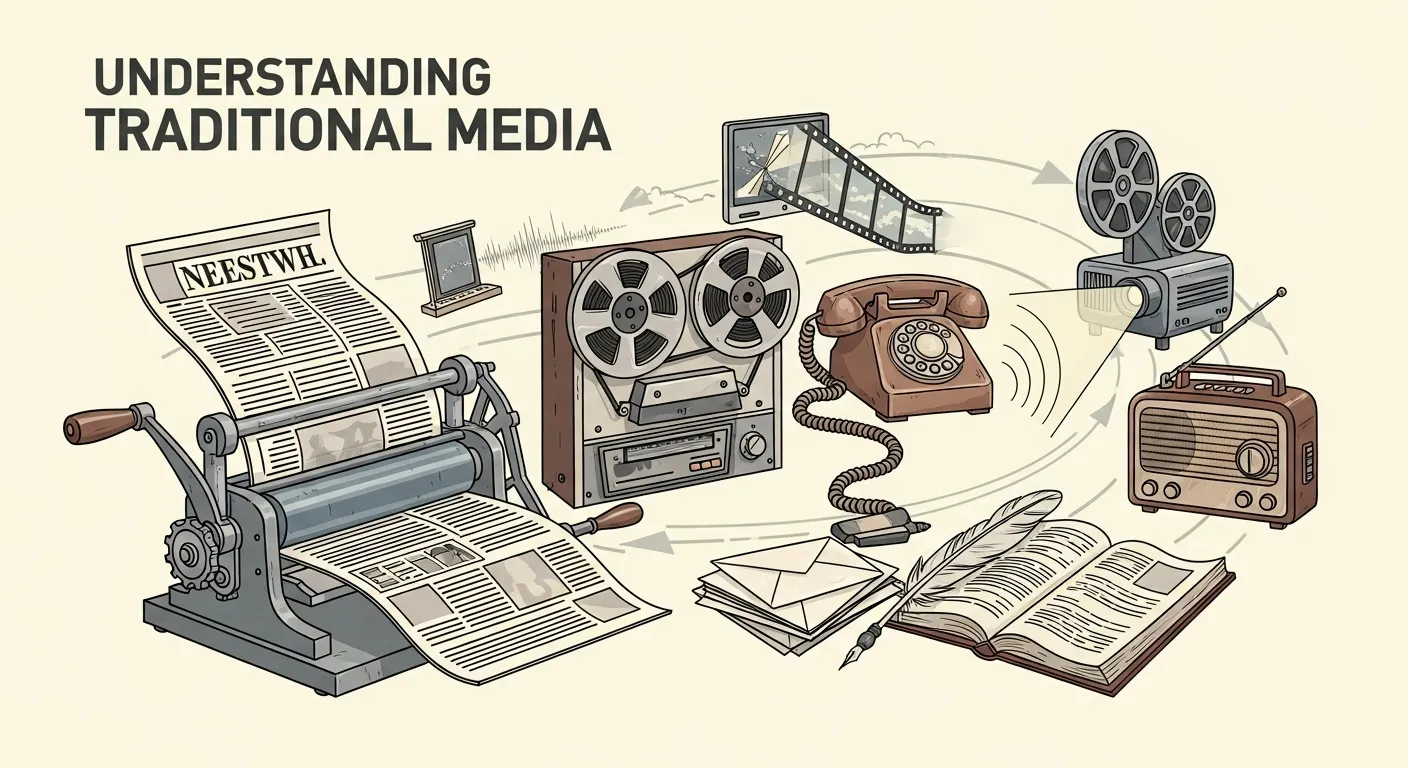
Traditional Media encompasses the established forms of mass communication that dominated the 20th century. This category includes daily newspapers, glossy magazines, network television, terrestrial radio, highway billboards, and physical direct mail. These media typically follow a strict one-way communication model. Content creators broadcast their messages to a largely passive audience who cannot respond directly.
The defining hallmarks of Traditional Media include high production costs, lengthy lead times, and incredibly broad demographic targeting. When a company wanted to advertise on network television, they needed substantial financial budgets. They also had to commit to expensive campaigns weeks or even months in advance. The audience viewing these ads was largely anonymous. Measuring true engagement was challenging, imprecise, and often relied on delayed estimations.
Traditional Media also operates on a strict schedule of programming and fixed publication dates. Newspapers publish daily, magazines ship monthly, and television shows air at very specific times. This creates a predictable but highly inflexible content delivery system that cannot adapt quickly to changing consumer needs.
Key Characteristics of Traditional Media
To fully grasp the contrast, we must look at how Traditional Media functions structurally. It relies heavily on physical distribution and scheduled broadcasting.
- Mass Appeal: Content aims to please the broadest possible demographic to justify high production and distribution costs.
- High Entry Barriers: Producing a television show or printing a national magazine requires millions of dollars and specialized equipment.
- Delayed Metrics: You cannot know exactly who read a newspaper ad. You rely entirely on broad circulation numbers and delayed sales data.
- Static Content: Once a billboard is printed or a magazine is shipped, the content cannot be altered or corrected without massive expense.
The Role of Print and Broadcast
Print media like newspapers and magazines provided deep, investigative reporting and curated lifestyle content for decades. Readers trusted these established institutions implicitly. Broadcast media like television and radio provided immediate entertainment and news to millions of homes simultaneously. They created shared cultural moments where everyone watched the exact same broadcast at the exact same time.
What Are the Main Types of Digital Media?
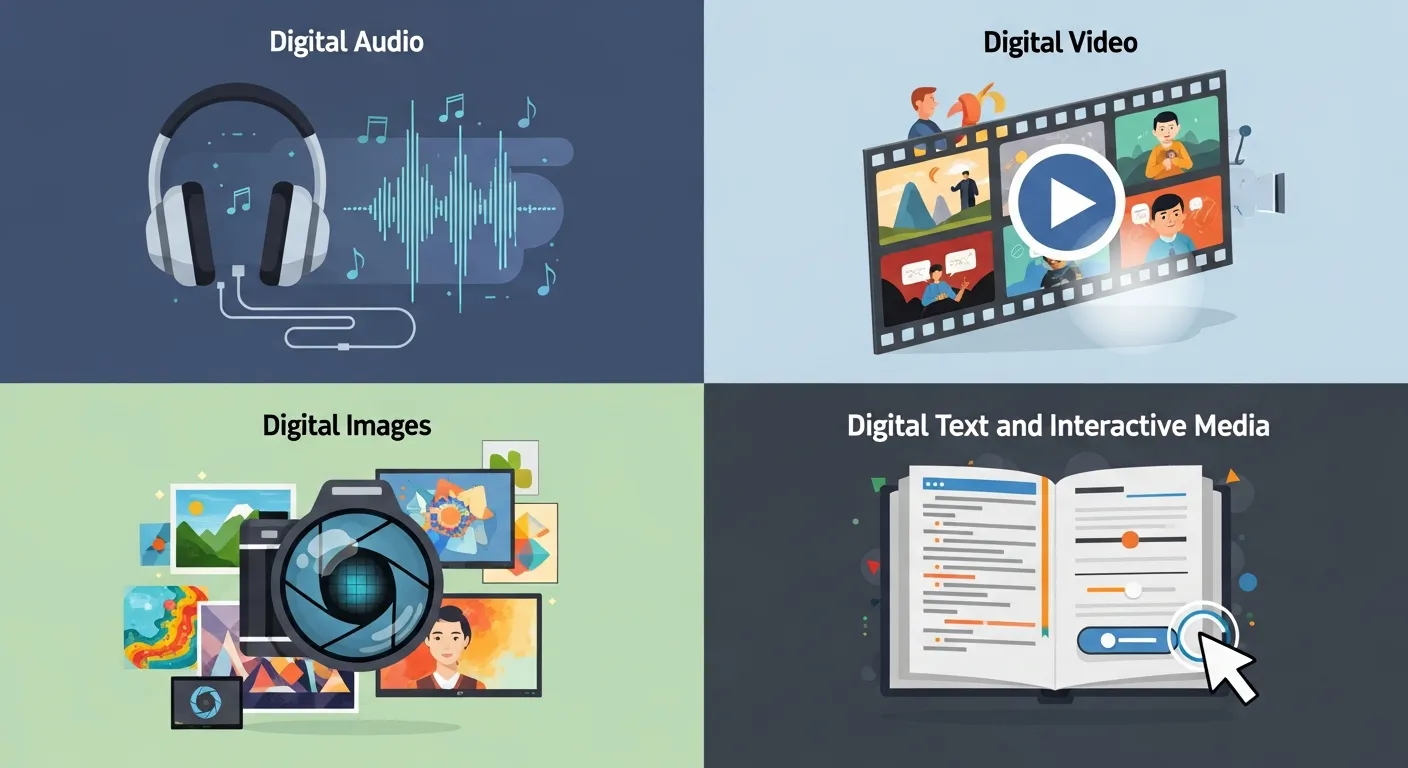
Digital Media encompasses absolutely any content that exists in an electronic format and can be accessed through digital devices. Unlike Traditional Media, Press Media is inherently interactive, easily shareable, and can be updated in real-time. It relies on binary code and internet connectivity to deliver seamless experiences to users across the globe.
Social Media Platforms
Social media platforms have completely revolutionized how we connect and share information. Platforms like Facebook, Instagram, Twitter, LinkedIn, and TikTok allow users to create, share, and interact with content instantly. These specific platforms have become incredibly powerful marketing tools. They enable smart businesses to build loyal communities, engage directly with their customers, and create viral marketing campaigns that span the globe.
Each platform serves entirely different purposes and unique demographics. LinkedIn focuses strictly on professional networking and B2B communication. Instagram emphasizes highly curated visual content and lifestyle aesthetics. TikTok caters to short-form, algorithmic video entertainment. This incredible diversity allows for highly targeted marketing strategies using Digital Media.
Websites and Corporate Blogs
Websites serve as the ultimate digital storefronts and information hubs for businesses and individuals alike. Unlike traditional physical brochures or printed catalogs, websites can be updated instantly. They seamlessly include rich multimedia content and provide interactive features like live chat support or secure online purchasing.
Blogs have democratized publishing across the internet. They allow absolutely anyone to become a content creator and thought leader in their respective field. Blogs heavily support SEO strategies, help build brand authority, and create ongoing touchpoints with eager audiences.
Email Marketing Systems
Email remains one of the absolute most effective digital marketing channels available today. It offers direct, unfiltered access to your subscribers’ personal inboxes. Unlike traditional physical direct mail, email campaigns can be highly personalized, fully automated, and tracked with incredibly precise metrics.
Paid Digital Advertising
Digital advertising includes pay-per-click ads, display banners, pre-roll video ads, and sponsored content across various platforms. These specific ads can be targeted based on exact demographics, specific interests, past browsing behavior, and even the exact keywords users search for on search engines.
Streaming and On-Demand Content
Platforms like YouTube, Netflix, Spotify, and dedicated podcasting services have created entirely new content consumption patterns. Users can access rich Digital Media content whenever they want. They can skip annoying advertisements and receive highly personalized recommendations based directly on their unique viewing preferences.
Interactive Mobile Apps
Mobile applications provide dedicated, enclosed platforms for specific services or content delivery. They offer instant push notifications, robust offline functionality, and highly personalized user experiences that Traditional Media simply cannot match. Apps keep your brand directly in the customer’s pocket at all times. Explore the basics of what is digital media to understand its design implications.
Comparing Media Types
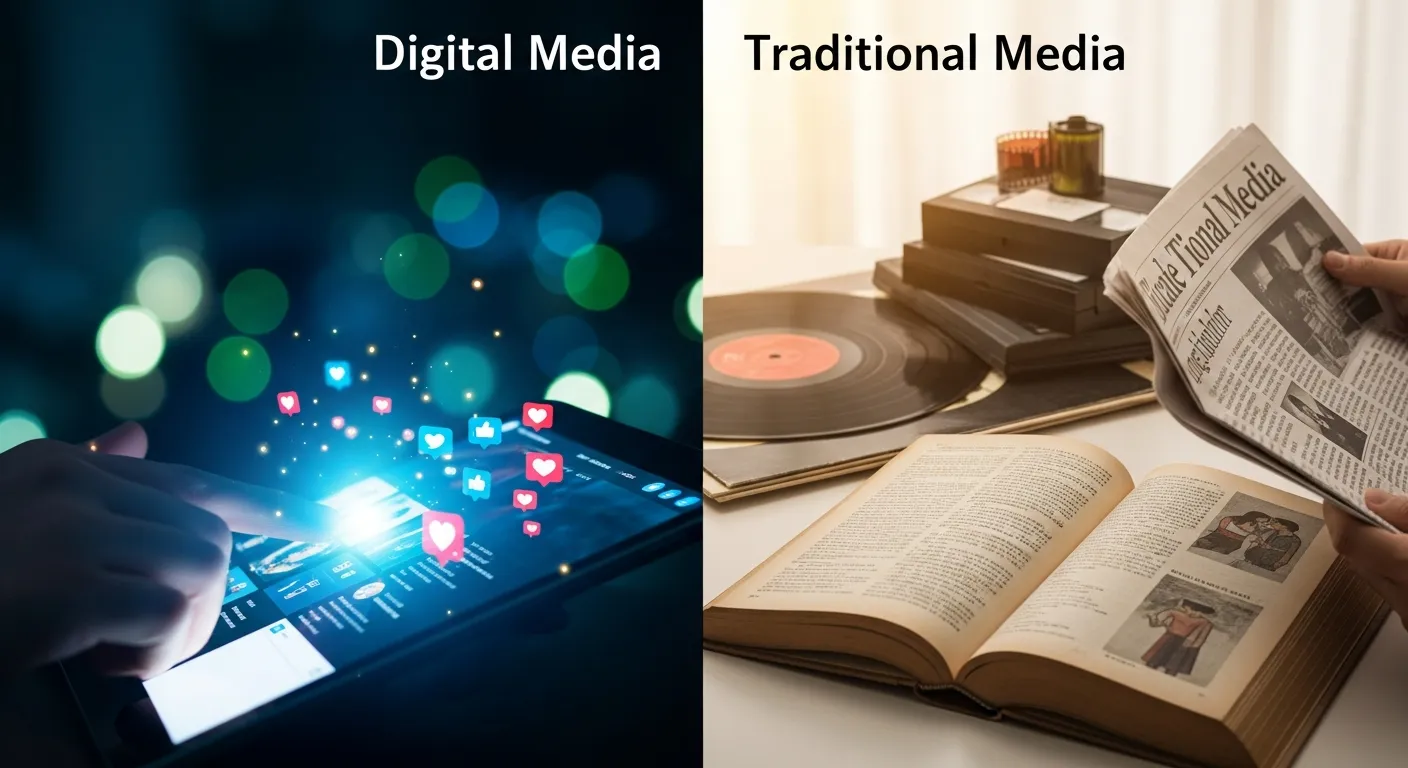
|
Feature |
Press Media |
Traditional Media |
|---|---|---|
|
Delivery Method |
Internet, mobile networks, streaming |
Print, broadcast towers, and physical mail |
|
Audience Engagement |
Two-way, highly interactive |
One-way, passive consumption |
|
Cost to Entry |
Generally low, accessible to anyone |
Extremely high, limited to corporations |
|
Content Updates |
Real-time, instant edits possible |
Permanent once printed or broadcast |
|
Measurement |
Exact clicks, views, and conversions |
Estimates based on circulation and ratings |
How Has Digital Media Changed the Way We Consume Content?
The massive shift to Digital Media has fundamentally altered human content consumption patterns in several key ways. We no longer wait for the morning paper or the evening news broadcast. We demand information instantly.
True On-Demand Access
Press Media completely eliminated the rigid constraints of scheduled programming. Users now expect to access premium content whenever and wherever they want. This expectation has led to the massive rise of binge-watching, infinite podcast subscriptions, and relentless 24/7 news cycles. You control the schedule, not the broadcasting network.
Deep Interactive Engagement
Traditional Media was largely passive—you watched, read, or listened without talking back. Press Media encourages active participation through comments, shares, likes, and user-generated content creation. This high interactivity has created passionate digital communities around niche content and specific brands.
Hyper-Personalization
Digital platforms use complex algorithms and deep data analytics to deliver highly personalized content recommendations. Netflix suggests specific movies based on your exact viewing history. Spotify creates custom daily playlists for your commute. Social media feeds display content tailored specifically to your individual interests and past clicking behaviors.
Shorter Attention Spans
The massive abundance of digital content has created a highly competitive environment for human attention. This fierce competition has led to much shorter content formats. We see this evolution from Twitter’s strict character limits to TikTok’s rapid-fire videos and Instagram’s disappearing Stories. Content must capture attention within the first three seconds.
Multi-Platform Consumption
Users now consume Digital Media content across multiple devices and platforms simultaneously. They might start watching a training video on their phone during a morning commute and finish it on their laptop at home. This fractured viewing habit requires content creators to optimize their media for various screen sizes and device formats seamlessly.
The Rise of User-Generated Content
Digital platforms have actively empowered everyday users to become influential content creators themselves. Customer reviews, social media posts, and user-created unboxing videos now significantly influence major purchasing decisions. This user-generated Digital Media holds immense power over brand perceptions.
Delve into the research on digital media psychology to see how this impacts human behavior.
Why Is Digital Media Important in Today’s Marketing Strategy?
Press Media has become absolutely essential for modern marketing strategies. Its unique advantages perfectly match the rapidly changing behaviors of modern consumers. You cannot run a successful modern business without a robust Digital Media presence.
Precise Targeting and Measurement
Unlike Traditional Media’s incredibly broad demographic targeting, Digital Media allows for hyper-granular audience segmentation. Marketers can target specific users based on exact interests, past purchasing behaviors, precise locations, and even major life events. Furthermore, every single interaction can be measured accurately. This provides clear ROI data and enables continuous campaign optimization.
Unmatched Cost-Effectiveness
Digital marketing campaigns can easily be launched with much smaller financial budgets than Traditional Media campaigns. Small local businesses can directly compete with massive international corporations by creating highly compelling content. They can use targeted advertising on social media platforms to reach their ideal buyers without spending millions.
Real-Time Engagement and Crisis Management
Digital Media enables immediate two-way conversations between brands and customers. Companies can actively respond to customer service issues, address product concerns, and capitalize on trending cultural topics in real-time.
When a brand faces a major social media crisis, Press Media becomes their most crucial tool. They can issue immediate apologies, clarify misinformation, and communicate directly with their community. Handling a social media crisis effectively requires a deep understanding of how fast Digital Media travels. You must respond before the negative narrative completely overtakes your brand’s reputation.
Limitless Global Reach
Digital platforms provide instant access to massive global audiences without the strict geographic limitations of Traditional Media. A small artisan business in a rural town can easily reach paying customers worldwide through social media posts, email marketing newsletters, and targeted online advertising. Digital Media erases physical borders entirely.
Rapid Adaptability and Testing
Digital campaigns can be modified instantly based on real-time performance data. If an ad isn’t working, you can change it immediately. A/B testing allows smart marketers to optimize messaging, adjust creative elements, and refine targeting parameters continuously. This agility prevents wasted ad spend.
Seamless Integration Capabilities
Digital Media channels can be seamlessly integrated to create cohesive, highly effective customer journeys. Email campaigns can smoothly drive traffic to specific website landing pages. Social media can dramatically amplify blog content reach. Retargeting ads can re-engage hesitant website visitors across multiple entirely different platforms until they finally purchase.
Incredible Content Longevity
Digital Media content can have a much longer effective lifespan than Traditional Media. Highly optimized blog posts continue to attract eager readers through search engines years after their original publication date. Evergreen social media content can be continuously reshared and rediscovered by new audiences long after it was first posted online.
Choosing the Right Media Mix
The most highly effective marketing strategies often combine both Traditional Media and Press Media elements strategically. Traditional Media still excels at building incredibly broad brand awareness and reaching specific older demographics. These older audiences may be significantly less active on modern digital platforms.
Digital Media’s true strength lies in its unique ability to create highly targeted, instantly measurable, and deeply interactive campaigns. These campaigns can adapt quickly to rapidly changing market conditions. The key to success is understanding your specific audience’s media consumption habits. You must choose the exact channels that best reach them where they already spend their time.
For most modern businesses, Press Media offers vastly better ROI and much more precise targeting. This makes it an absolutely essential component of any marketing strategy today. However, the most successful enterprise campaigns often integrate multiple touchpoints. They blend physical billboards with targeted mobile ads to create truly comprehensive brand experiences.
Embracing the Digital Future
The strict distinction between Traditional Media and Press Media continues to evolve rapidly as technology advances. Connected Smart TVs, streaming digital radio, and interactive print advertisements using QR codes are completely blurring the lines between these historical categories.
Understanding these key differences deeply empowers smart businesses and content creators to make highly informed decisions. You must know exactly where to invest your valuable time and financial resources. As consumer behavior continues to shift heavily toward digital channels, developing strong Digital Media expertise becomes increasingly crucial for long-term success.
The future definitely belongs to those who can effectively leverage Digital Media’s unique technological capabilities. You must also understand how to integrate these digital efforts with Traditional Media when appropriate. Start by identifying exactly which digital channels align best with your specific audience and business objectives. Then, gradually expand your overall digital presence as you gain practical experience and see tangible results.
Frequently Asked Questions
What exactly is the definition of Digital Media?
Digital Media refers to any media encoded in machine-readable formats that can be created, viewed, and distributed via electronic devices. It relies heavily on the internet for distribution. Examples include social media platforms, websites, and streaming video services.
How does Traditional Media differ from Digital Media?
Traditional Media relies on physical distribution or analog broadcasting, like newspapers and FM radio. Press Media uses internet connectivity and binary code. You can learn more by checking out this guide on digital media vs traditional media.
Can Traditional Media still be effective today?
Yes, Traditional Media remains highly effective for broad local awareness and reaching older demographics. Billboards and local television ads still drive significant brand recognition. It works best when paired strategically with digital campaigns.
How do I use Digital Media during a social media crisis?
During a social media crisis, use your digital platforms to communicate rapidly and transparently. Post clear updates, apologize if necessary, and address customer concerns in the comments. Silence during a digital crisis only fuels more negative speculation.
What is the role of Public Relations in Digital Media?
Public Relations has adapted to focus heavily on digital publications, influential blogs, and social platforms. It manages corporate reputation across the vast internet landscape. Explore the details of what is media relations in the digital age.
Why is Digital Media considered more cost-effective?
Digital platforms allow you to set exact daily budgets and target only your ideal customers. You do not pay to show your ads to people who have no interest in your product. This eliminates the massive waste associated with broad Traditional Media buys.
What are the best Digital Media platforms for B2B companies?
LinkedIn remains the absolute best digital platform for B2B marketing and professional networking. Email marketing and highly detailed corporate blogs also drive massive B2B success. These platforms allow for deep, professional conversations and lead generation.
How can I track the success of a Digital Media campaign?
You can track success using precise metrics like click-through rates, website conversions, and overall engagement numbers. Every digital platform provides detailed analytics dashboards for marketers. Learn how to accurately measure influencer campaign success using these tools.
Will Digital Media eventually replace all Traditional Media?
While Digital Media dominates daily consumption, Traditional Media will likely never disappear entirely. Formats will merge, creating hybrid media like smart billboards and interactive print. People still value tangible media experiences in certain contexts.
How often should a business update its Press Media content?
Businesses must update their digital content regularly to remain relevant in fast-paced algorithm feeds. Social media requires daily or weekly posts, while blogs benefit from monthly updates. Stale digital content quickly loses search engine ranking and audience interest.


I’m a passionate digital strategist and content creator focused on crisis communication, social media management, and online reputation. At SMCrisis, I share insights, tips, and real-world strategies to help brands navigate challenges, protect their image, and build trust in the digital space. My goal is to make crisis management simple, smart, and actionable for every business.








No Comments