


Digital media enables global, instant communication through text, video, audio, and interactive formats. Its accessibility, cost efficiency, and data-driven insights make it essential for businesses, creators, and educators to engage audiences and stay competitive.
online media has completely transformed how we consume, create, and share information across the globe. From streaming your favorite television shows on a smart TV to scrolling through endless social media feeds on your smartphone, online media platforms have become the primary method people use to access entertainment, news, and educational content. Understanding online media is absolutely crucial for modern businesses, content creators, and anyone looking to stay relevant in our hyper-connected digital landscape.
This comprehensive guide explores exactly what Digital Media encompasses, the various types and formats available, real-world examples of success, and why it has become indispensable for communication. Whether you are a marketing professional crafting an Influencer Campaign, an educator building an online course, or simply someone curious about the digital landscape, you will gain valuable insights into this dynamic field.
The shift from traditional print and broadcast formats to online media platforms represents one of the most significant communication revolutions in human history. By the end of this extensive guide, you will understand how online media works, its key advantages, and how to leverage it effectively for your personal brand or professional business goals.
Understanding Digital Media: The Foundation
online media refers to any content that exists in an electronic format and can be transmitted, stored, or accessed through digital devices. Unlike traditional analog formats such as printed newspapers, physical magazines, or vinyl records, online media converts information into binary code. This binary code is the universal language of computers, consisting entirely of ones and zeros.
This conversion process allows for incredible versatility and speed. Text, images, audio, and high-definition video can all be compressed, edited, and distributed instantly across global networks. The interactive nature of online media sets it apart from traditional formats, enabling instant, two-way communication between creators and their audiences.
Digital Media encompasses everything from websites and mobile applications to podcasts and virtual reality experiences. The common thread connecting all online media formats is their reliance on electronic devices for creation, distribution, and consumption. This technological dependency has created exciting new opportunities for audience engagement while also presenting unique challenges for content creators and consumers alike. For a deeper dive into how this affects human behavior, you can explore the academic perspective here: Digital media psychology research
The Shift from Analog
The transition from analog to Digital Media did not happen overnight. It took decades of technological advancement, starting with the invention of the internet and accelerating with the widespread adoption of smartphones. Today, Digital Media is the default method of communication for billions of people worldwide. This shift has forced traditional businesses to adapt rapidly or risk becoming obsolete.
Types of Digital Media: A Comprehensive Breakdown
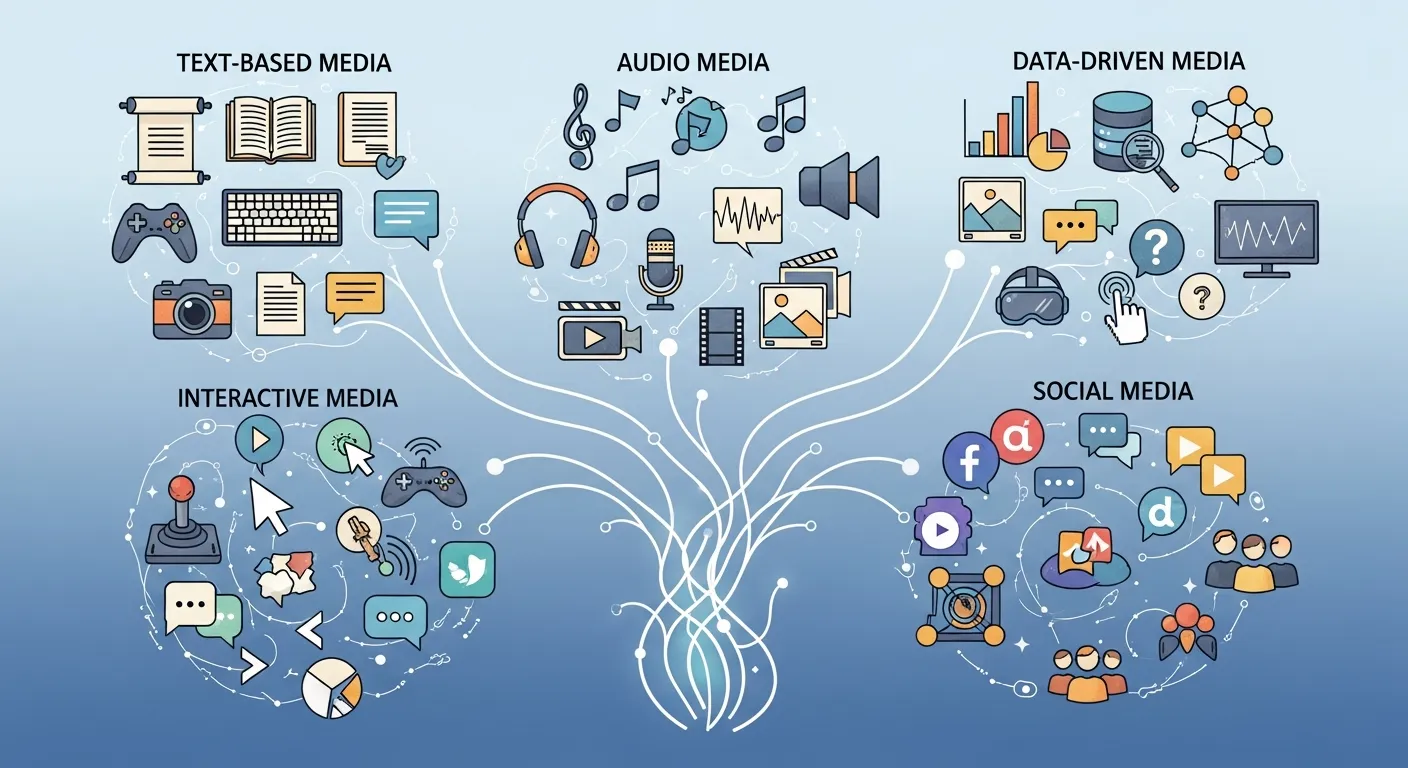
To truly grasp the impact of the online media revolution, we must examine the specific formats that make up this expansive ecosystem. Each format serves a unique purpose and requires different strategies for maximum effectiveness.
Text-Based Digital Media
Written content forms the structural backbone of online media communication. Websites, blogs, electronic books, and online articles represent the direct evolution of traditional print media into accessible digital formats. Search engines primarily index text content, making written Digital Media crucial for online visibility and information discovery.
Email and Messaging
Email newsletters, social media posts, and instant messaging platforms demonstrate how text-based online media facilitates real-time, global communication. The interactive nature of digital text allows for features that are completely impossible in print, such as clickable hyperlinks, universally searchable content, and automatic language translation.
Visual Digital Media
Images and graphics serve as powerful communication tools in the online media space. Digital photography has revolutionized visual storytelling, while infographics transform complex data sets into easily digestible visual formats. Social media marketing relies heavily on platforms like Instagram and Pinterest, which have built massive ecosystems entirely around visual content sharing.
Digital art and design tools have democratized creative expression. Today, anyone with a computer and basic software can create professional-quality graphics. Stock photo websites, digital galleries, and online portfolios continually showcase the vast potential of visual online media for both artistic and commercial purposes. To learn more about the design principles involved, check out this resource:
Understanding digital media design
Audio Digital Media
Sound has found an entirely new life in digital formats through engaging podcasts, streaming music services, and audiobooks. online media audio offers superior quality control, infinite reproduction without any physical degradation, and global distribution capabilities that traditional radio and physical recordings simply cannot match.
Voice assistants and smart speakers represent emerging frontiers in audio Digital Media. They create new opportunities for interactive, hands-free sound experiences. Digital audio editing tools have made professional-quality sound production highly accessible to independent creators, small businesses, and hobbyists.
Video Digital Media
Moving images combine visual and audio elements to create the most compelling online media experiences available today. Video streaming platforms have heavily disrupted traditional television and film industries. Meanwhile, short-form video content on platforms like TikTok and YouTube Shorts has created entirely new entertainment categories and launched countless careers.
Live streaming capabilities enable real-time video communication for everything from corporate business meetings to competitive gaming broadcasts. Interactive video features, such as clickable on-screen elements and choose-your-own-adventure formats, showcase the unique possibilities of video-based Digital Media content.
Interactive Digital Media
Video games, mobile applications, and interactive websites represent the most engaging forms of Digital Media. These formats require active participation from users, creating immersive experiences that traditional media simply cannot replicate. Educational software and corporate training programs leverage interactivity to improve learning outcomes and knowledge retention.
Virtual reality (VR) and augmented reality (AR) technologies continually push the boundaries of interactive online media. They create entirely new categories of digital experiences that promise to revolutionize fields ranging from entertainment and education to healthcare and complex professional training.
Real-World Examples of Digital Media in Action
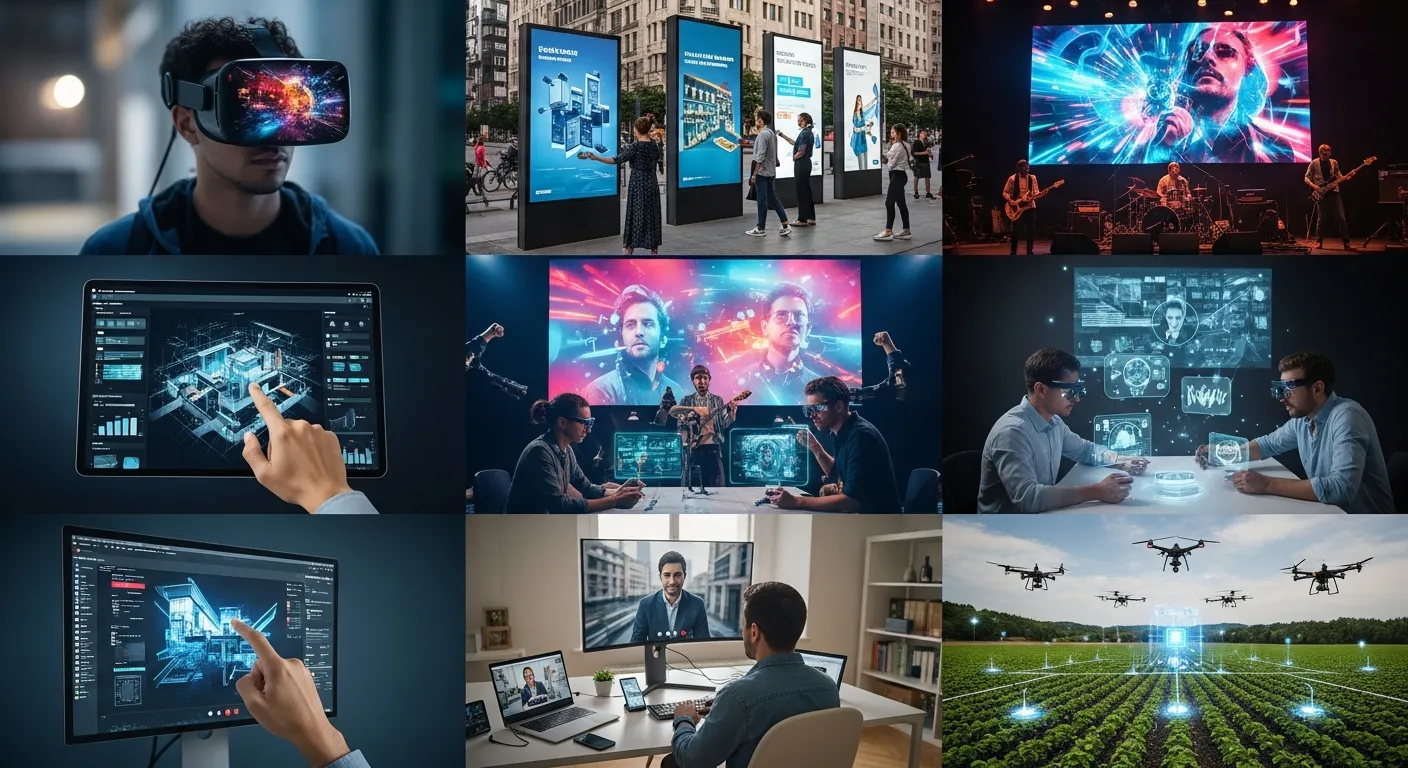
Digital Media is not just a theoretical concept; it is the driving force behind the world’s most successful modern businesses. Let us explore how different sectors utilize online media to achieve their goals.
Social Media Platforms
Facebook, Instagram, X (formerly Twitter), LinkedIn, and TikTok perfectly demonstrate how Digital Media creates global communities around shared interests. These platforms combine multiple media types—including text, images, video, and interactive elements—to facilitate social connections. They are also the primary battleground for social media marketing, where brands compete daily for consumer attention.
Each platform has developed unique online media formats optimized for specific user behaviors and preferences. Instagram Stories showcase ephemeral visual content that disappears after 24 hours, while LinkedIn articles provide professional networking value through detailed, long-form text content.
Streaming Services
Netflix, Spotify, Hulu, and YouTube have revolutionized Digital Media consumption by providing on-demand access to vast content libraries. These services use highly sophisticated algorithms to personalize content recommendations, demonstrating how online media can adapt directly to individual user preferences.
The subscription model popularized by streaming services has created sustainable, predictable revenue streams for content creators. At the same time, it provides consumers with affordable, unlimited access to premium online media content.
E-commerce and Digital Marketing
Online retail stores combine high-resolution product images, demonstration videos, user reviews, and interactive shopping cart features to create compelling buying experiences. Digital Media marketing campaigns leverage targeted advertising, email sequences, and value-driven content marketing to reach specific consumer audiences with a level of precision that is impossible in traditional media.
When launching a new product, brands often pair their e-commerce efforts with a strategic Influencer Campaign. By partnering with popular online media creators, companies can drive massive amounts of targeted traffic to their online storefronts, resulting in increased sales and heightened brand awareness.
Educational Technology
Online learning platforms, mobile educational apps, and interactive digital textbooks demonstrate exactly how Digital Media enhances the educational experience. Interactive science simulations, on-demand video lectures, and gamified learning modules cater to many different learning styles while providing highly flexible access to educational content.
Virtual classrooms enable global access to education, actively breaking down the geographical and financial barriers that have traditionally limited learning opportunities for millions of students.
Digital Media Format Comparison
|
Format Type |
Primary Use Case |
Key Advantages |
Real-World Example |
|---|---|---|---|
|
Text |
Information, SEO, Communication |
Highly searchable, easy to update |
Corporate blogs, news websites |
|
Visual |
Brand identity, Social sharing |
Quickly grabs attention, shareable |
Instagram posts, infographics |
|
Audio |
Multitasking consumption |
Intimate connection, portable |
Spotify podcasts, audiobooks |
|
Video |
Entertainment, Education |
Highly engaging, combines senses |
YouTube tutorials, Netflix shows |
|
Interactive |
Immersion, Applied learning |
Highest engagement, memorable |
Mobile games, VR training apps |
The Critical Importance of Digital Media
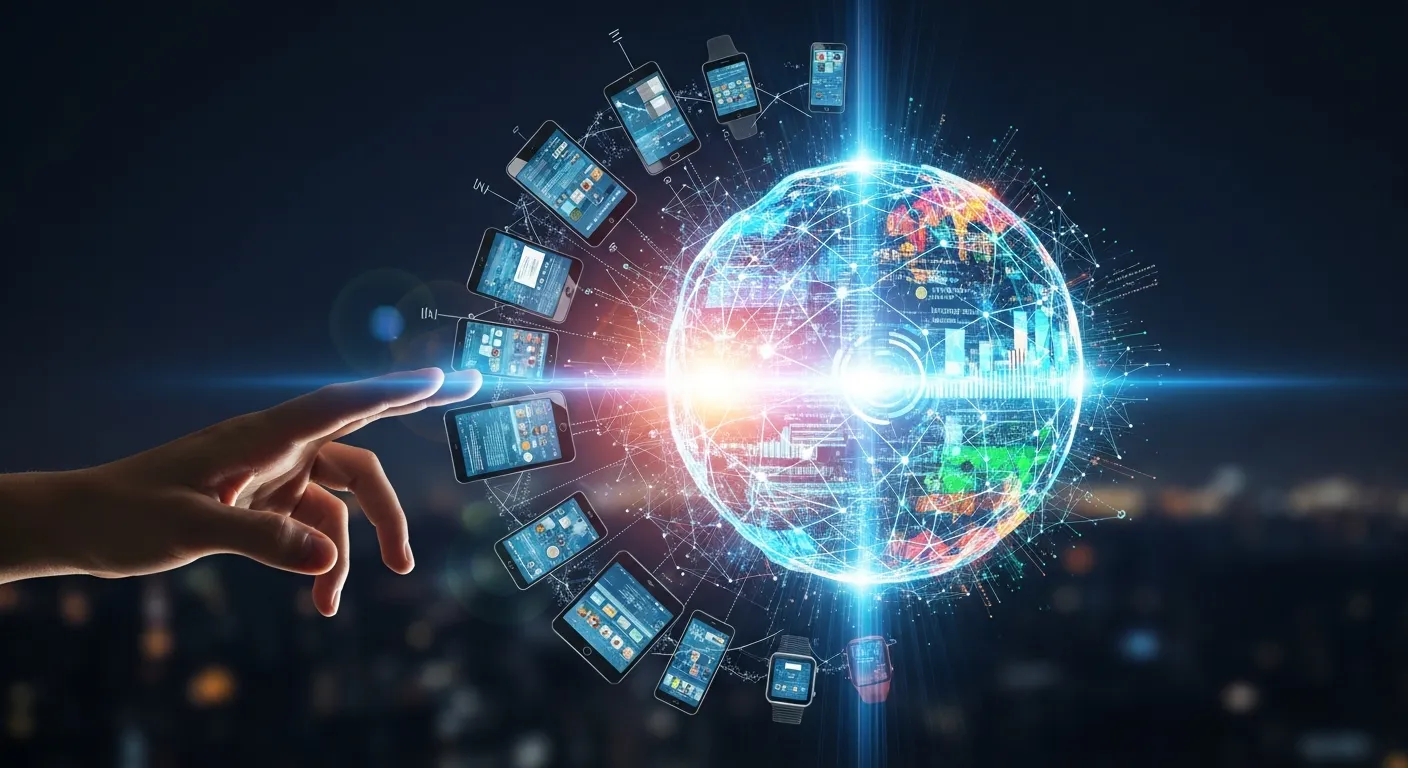
Why has Digital Media become the dominant form of communication globally? The answer lies in the unique, inherent advantages that digital formats offer over their physical counterparts.
Global Reach and Accessibility
Digital Media completely eliminates geographical boundaries, allowing content creators to reach massive global audiences instantly. This unprecedented reach creates lucrative opportunities for small businesses, educators, and independent artists to connect with people worldwide without the traditional, expensive barriers of physical distribution networks.
Furthermore, accessibility features built directly into online media platforms help ensure content reaches people with disabilities. Screen reading software, automated closed captions, and adjustable text sizes make Digital Media significantly more inclusive than many traditional, static formats.
Cost-Effective Content Distribution
Publishing Digital Media content costs significantly less than traditional media production, printing, and distribution. Small businesses and individual creators can easily compete with large, multinational organizations by producing high-quality online media content without requiring massive upfront financial investments.
The total elimination of printing, physical shipping, and warehouse storage costs makes Digital Media highly economically attractive for both creators and end consumers. Updates, corrections, and revisions can be implemented instantly without reprinting or redistributing physical materials.
Real-Time Analytics and Optimization
Digital Media platforms provide incredibly detailed analytics about audience behavior, engagement rates, and overall content performance. This massive wealth of data enables creators to optimize their content strategies based on concrete, actionable evidence rather than relying on guesswork.
A/B testing capabilities allow for the systematic improvement of online media campaigns. By testing two different headlines or images, marketers can secure better results and a much higher return on investment over time.
Enhanced Engagement and Interactivity
Digital Media enables genuine two-way communication between creators and audiences through comment sections, social shares, likes, and direct messaging. This interactivity creates much stronger relationships and highly engaged communities around specific Digital Media content.
Personalization features allowonline media to adapt directly to individual user preferences, creating more relevant and engaging experiences than traditional one-size-fits-all media formats.
Managing a Social Media Crisis
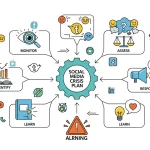
Because Digital Media moves at lightning speed, negative news can spread globally in minutes. Brands must use Digital Media tools to actively monitor public sentiment. If a social media crisis occurs, companies can use their online media channels to issue immediate, transparent responses. Managing a social media crisis effectively requires a deep understanding of digital platforms and a commitment to rapid, authentic communication.
Environmental Sustainability
Digital Media drastically reduces paper consumption, physical transportation emissions, and the manufacturing waste typically associated with traditional media production. Cloud storage and digital distribution networks create much more environmentally sustainable media consumption patterns globally.
The unique ability to easily update and repurpose existing online media content extends its useful lifespan and significantly reduces the need for completely new, resource-heavy production cycles.
Future Trends Shaping Digital Media
Digital Media is not static; it is constantly evolving. Staying ahead of the curve requires an understanding of the emerging technologies that will dictate the future of digital communication.
Artificial Intelligence and Machine Learning
Artificial intelligence (AI) and machine learning technologies are rapidly beginning to automate Digital Media content creation and curation processes. These powerful tools help creators produce more personalized content at scale while enabling social platforms to deliver increasingly relevant experiences to their users. AI can write basic text, generate stunning visual art, and even edit video content with minimal human intervention.
Voice-Activated Interfaces
Voice-activated interfaces and smart home devices are creating massive new opportunities for audio-first Digital Media experiences. Conversational interfaces, powered by advanced natural language processing, may fundamentally change exactly how people search for and interact with online media content in their daily lives.
Blockchain and Ownership
Blockchain technology promises to revolutionize Digital Media ownership, copyright protection, and digital monetization. By utilizing non-fungible tokens (NFTs) and smart contracts, blockchain enables entirely new business models where online media creators can be compensated directly by their core audiences, bypassing traditional corporate gatekeepers entirely.
Maximizing Your Digital Media Strategy
Success in the Digital Media landscape requires deeply understanding your target audience and carefully choosing the right platforms and formats for your specific message. Different audience demographics prefer vastly different types of online media, making comprehensive audience research absolutely crucial for effective communication.
Mastering Social Media Marketing
To dominate in social media marketing, you must maintain consistency across multiple Digital Media channels. This consistency helps build a highly recognizable brand identity and significantly increases the likelihood of sustained audience engagement. Regular, predictable content publication schedules help maintain audience attention and dramatically improve search engine visibility.
Crafting the Perfect Influencer Campaign
When launching an Influencer Campaign, brands must carefully select Digital Media personalities whose values and audience demographics align perfectly with their own. A successful Influencer Campaign leverages the trust that the creator has built with their audience through years of consistent online media publishing. By collaborating authentically, brands can achieve incredible conversion rates and massive brand awareness.
Ultimately, content quality remains paramount despite the extreme ease of digital publishing. High-quality online media content that provides genuine, tangible value to audiences will always outperform low-effort, spammy content, regardless of the specific digital platform or format used. Focus on solving problems, answering questions, and entertaining your audience to achieve lasting online media success.
Frequently Asked Questions (FAQ)
What exactly is Digital Media?
Digital Media refers to any form of media that uses electronic devices for distribution. It includes text, audio, video, and graphics that are translated into digital data. This format allows for rapid sharing and interactive communication across the internet.
How does Digital Media differ from traditional formats?
Traditional formats rely on physical production like printing presses or analog broadcasting. Digital formats use binary code and the internet to deliver content instantly.
Check out this guide on digital media vs traditional media.
Why is Digital Media important for businesses?
It provides businesses with a cost-effective way to reach a global audience quickly. It also offers detailed analytics, allowing companies to track the exact ROI of their marketing efforts. Without Digital Media, businesses struggle to remain competitive today.
What is the role of video in Digital Media?
Video is currently the most engaging and popular format across all digital channels. It combines visual and auditory elements to capture and hold user attention effectively. Platforms heavily prioritize video content because it keeps users on their sites longer.
How can a company avoid a social media crisis?
Companies must actively monitor their digital mentions and listen to customer feedback daily. If an issue arises, responding quickly with transparency and empathy is crucial. Ignoring negative feedback online almost always makes the situation much worse.
What is the connection between PR and Digital Media?
Public relations relies heavily on digital channels to distribute press releases and build brand reputation. Digital PR targets online publications and influential bloggers to secure coverage.
Learn more about what is media relations.
How do algorithms impact Digital Media?
Algorithms determine which pieces of content are shown to specific users based on their past behavior. They prioritize high-engagement content to keep users scrolling as long as possible. Understanding algorithm preferences is essential for maximizing content reach.
How do brands track the success of online creators?
Brands use specific trackable links, promo codes, and engagement metrics to calculate performance. They compare the cost of the partnership against the total sales or traffic generated.
Discover how to measure influencer campaign success.
Is email still considered a relevant Digital Media tool?
Yes, email remains one of the most effective and profitable Digital Media channels available. It allows brands to communicate directly with their audience without relying on social media algorithms. A strong email list is a highly valuable digital asset.
How will AI change Digital Media in the future?
AI will drastically speed up content creation, from writing articles to editing complex videos. It will also personalize the content delivery experience for each individual user dynamically. However, authentic human connection will remain a premium value in the digital space.


I’m a passionate digital strategist and content creator focused on crisis communication, social media management, and online reputation. At SMCrisis, I share insights, tips, and real-world strategies to help brands navigate challenges, protect their image, and build trust in the digital space. My goal is to make crisis management simple, smart, and actionable for every business.














No Comments