



Media Relations focuses on building strong relationships with journalists to secure credible, earned media coverage. By using strategic outreach, personalized pitching, and consistent communication, brands can shape public perception, boost trust, and manage reputation effectively.
Media Relations stands as a crucial pillar within the broader scope of public relations. It focuses entirely on building and maintaining positive, mutually beneficial relationships between organizations and the press. This specialized field involves strategic communication with journalists, editors, broadcasters, and digital content creators.
Mastering press relations allows you to secure valuable coverage, manage your brand’s reputation, and shape public perception effectively. A strong Media Relations strategy helps your company navigate complex communication landscapes. It ensures your narrative reaches the right audience through trusted third-party voices.
In this comprehensive guide, we explore what press relations truly means and how it functions. You will learn exactly how it differs from general public relations and why it matters for modern businesses. We will also walk you through the practical steps of creating a successful press relations strategy from scratch.
Why Is Media Relations Important for Your Brand?

Media Relations plays a vital role in determining how the public views your brand, organization, or executive leadership. When executed properly, a solid press relations strategy increases your overall credibility, brand awareness, and consumer trust. It serves as a direct pipeline to authoritative validation.
Earning coverage through strategic press relations efforts provides benefits that paid advertising simply cannot match. Consumers naturally trust journalistic sources over promotional content. Let us break down the specific advantages of investing in a robust press relations program.
Builds Genuine Brand Credibility
Unlike paid advertisements, earned media coverage appears unbiased and significantly more trustworthy to audiences. When a respected journalist writes about your company, it provides a high level of authority. This third-party validation is the ultimate goal of effective press relations.
Audiences understand that you cannot simply buy your way onto the front page of a reputable news outlet. Earning that spot requires genuine merit, an interesting story, or a highly innovative product. Therefore, successful press relations efforts build a foundation of trust that money cannot buy.
Expands Audience Reach and Brand Visibility
Through dedicated features, expert interviews, and news articles, businesses can reach massive, untapped audiences. Media Relations allows you to step outside your existing follower base. You gain access to readers and viewers who already trust the publication covering your story.
This expanded visibility is particularly crucial for startups and growing enterprises. A single successful press relations pitch can introduce your brand to millions of potential customers. It serves as a powerful catalyst for organic business growth.
Helps Control the Brand Narrative
Media Relations allows organizations to shape the public narrative proactively by sharing news, updates, and milestones. You do not have to wait for people to guess what your company is doing. By issuing press releases and pitching stories, you feed accurate information directly to the press.
This proactive approach proves essential when a social media crisis strikes your organization. Establishing strong press relations beforehand ensures journalists will come to you for comments rather than publishing unverified rumors. You can respond strategically and keep the narrative grounded in facts.
Establishes Industry Thought Leadership
Consistent media exposure helps position your company leaders as true experts in their respective fields. When journalists frequently quote your CEO regarding industry trends, it boosts your corporate reputation. Press relations transforms your executives from unknown managers into influential thought leaders.
To dive deeper into the foundational concepts, review this excellent breakdown of what is media relations to understand its core mechanics.
Media Relations vs. Public Relations: The Core Differences
Although Media Relations is a vital subset of public relations, the two terms are not interchangeable. Understanding the distinction helps you allocate your communication resources more effectively. Public relations covers a massive umbrella of stakeholder communications.
Press relations, on the other hand, focuses strictly on interacting with the press. It requires a specific skill set, including pitching, press release writing, and journalistic networking. Here is a clear breakdown of the differences between the two disciplines.
|
Feature |
Media Relations |
Public Relations |
|---|---|---|
|
Primary Audience |
Journalists, editors, and broadcasters |
Customers, employees, investors, public |
|
Core Activity |
Pitching stories and building press contacts |
Brand management and community engagement |
|
Main Output |
Earned press coverage and interviews |
Corporate messaging, events, internal comms |
|
Strategic Focus |
Earning third-party media validation |
Broad reputation and brand management |
Public relations includes internal communication, corporate events, investor relations, and community outreach. Press relations remains just one highly specialized, strategic component of that broader PR ecosystem.
Key Components of Media Relations
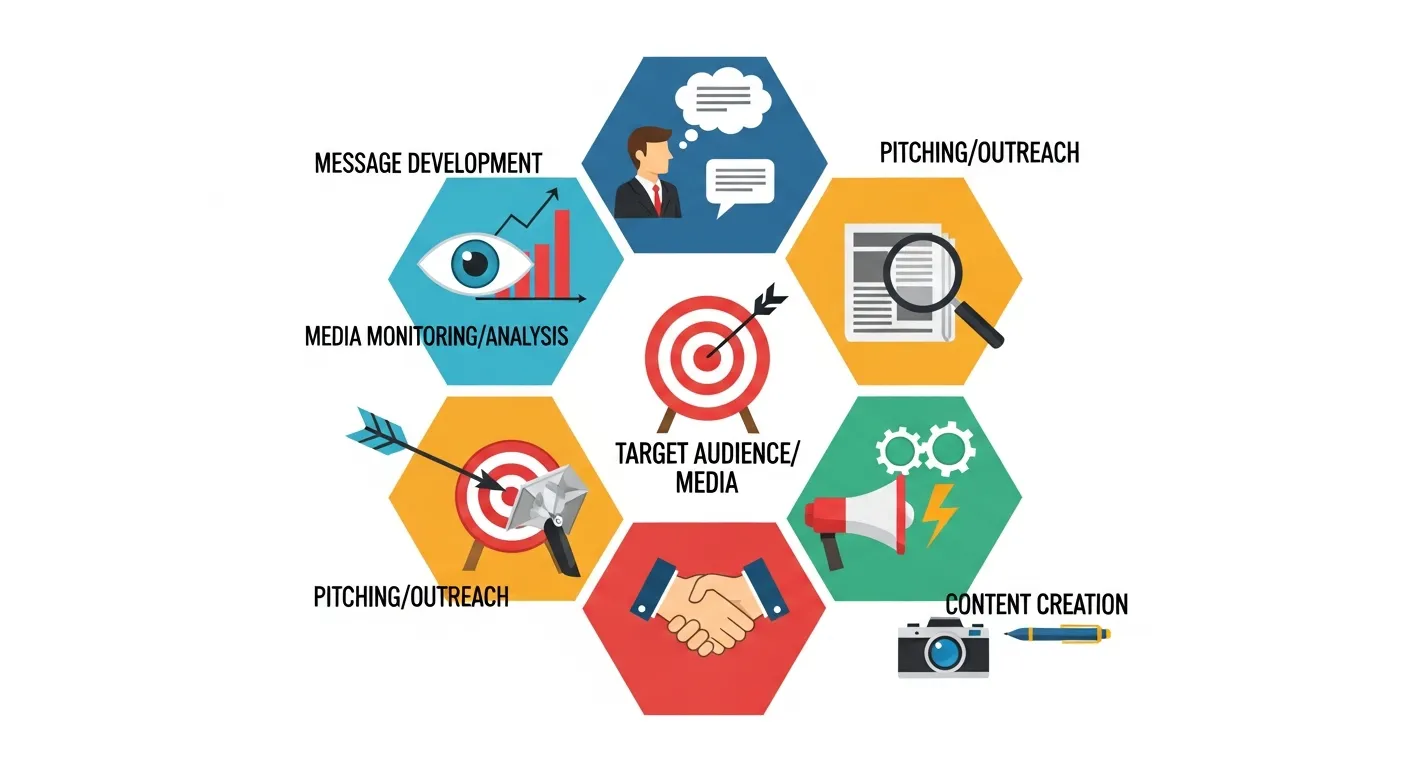
To truly master Media Relations, you must understand its foundational elements. These components work together to form a comprehensive strategy. Mastering each element ensures your messages resonate with the right journalists at the right time.
Proactive Media Outreach
Proactive outreach involves reaching out to journalists or editors to pitch a compelling story idea. It also includes offering expert commentary on breaking news trends. This component of Media Relations requires impeccable timing and a deep understanding of current events.
You must identify when your brand’s expertise naturally aligns with the daily news cycle. By offering your executives as subject matter experts, you provide value to journalists. This proactive press relations tactic secures high-quality mentions and quotes.
Strategic Press Release Distribution
Crafting newsworthy press releases remains a staple of traditional Media Relations. You must write clear, concise, and fact-driven documents announcing major company milestones. After drafting the release, you distribute it to targeted media outlets for potential coverage.
The key to this press relations tactic is relevance. Do not blast your press release to every journalist on the internet. Target reporters who actually cover your specific industry or beat to maximize your chances of publication.
Personalized Media Pitching
Sending personalized story ideas to specific journalists forms the backbone of successful Media Relations. You must explain precisely why your topic is relevant and timely for their unique audience. Generic, mass-emailed pitches almost always end up in the reporter’s trash folder.
A great Media Relations professional researches the journalist’s recent work before reaching out. You should reference their past articles and explain how your pitch provides a fresh angle. This tailored approach dramatically increases your success rate.
Targeted Media List Building
Creating and maintaining a curated list of relevant media contacts is essential for organized Media Relations. This list must be tailored exclusively to your industry, target audience, and geographic location. An outdated or inaccurate media list will completely derail your outreach efforts.
Update your Media Relations database regularly. Journalists frequently change beats, switch publications, or move to freelance work. Keeping your contacts fresh ensures your carefully crafted pitches actually reach the intended recipients.
Long-Term Relationship Building
Media Relations is not a transactional process; it requires developing trust-based, long-term relationships with media professionals. If you only contact journalists when you need something, they will ignore you. You must become a reliable, helpful resource for them year-round.
Share their articles on your social channels, congratulate them on major career moves, and offer exclusive data. When you invest in these relationships, your Media Relations efforts yield incredible long-term dividends. Journalists will eventually start coming to you for stories.
Crisis Communication and Management
Managing media inquiries during reputational challenges requires highly skilled Media Relations tactics. You must ensure a controlled, accurate, and unified message is presented to the public. Failing to communicate effectively with the press during a crisis can destroy your brand.
When a potential social media crisis begins trending online, your Media Relations team must act swiftly. Draft holding statements, prepare executives for hostile interviews, and monitor press coverage closely. Excellent Media Relations can neutralize a crisis before it causes permanent damage.
To understand the deeper strategic value of these components, explore this resource explaining why media relations is important for modern brands.
How Media Relations Works in Practice

Effective Media Relations follows a highly strategic, structured process. You cannot simply blast emails and hope for the best. To secure consistent press coverage, you must follow a proven step-by-step methodology.
Step 1: Identify Your Exact Objectives
Before launching any Media Relations campaign, you must define exactly what you want to achieve. Are you trying to drive brand awareness for a new startup? Are you launching a revolutionary product?
Perhaps you want to position your CEO as an industry visionary. Your ultimate objective dictates your entire Media Relations strategy. It determines which journalists you pitch and what angles you present to them.
Step 2: Define Your Target Media Outlets
Next, research exactly which media outlets your target audience actually consumes. B2B software buyers read different publications than teenage fashion enthusiasts. Your Media Relations efforts must align perfectly with your audience’s media diet.
Consider all formats, including print magazines, national television, niche podcasts, and digital news sites. A diverse Media Relations strategy often yields the best results. Do not ignore smaller trade publications, as they often boast highly engaged, targeted readerships.
Step 3: Create a Curated Media List
Build a list including only journalists who actively cover your specific industry or topic. Keep meticulous track of their contact details, editorial beats, and their most recent published work. A well-researched media list is a Media Relations professional’s most valuable asset.
Use professional database tools or manual research on platforms like LinkedIn and X. Note any specific pitching preferences the journalist might have mentioned publicly. Attention to these small details separates amateur PR from expert Media Relations.
Step 4: Develop a Highly Strong Pitch
Your story pitch must be incredibly newsworthy, highly relevant, and well-aligned with the journalist’s beat. It should immediately answer the question: “Why should the reader care about this today?” Great Media Relations requires thinking like a news editor, not a marketer.
Personalize every single pitch you send. Keep the email concise, use a compelling subject line, and provide clear value. Offer exclusive data, unique interviews, or surprising industry trends to grab their attention quickly.
Step 5: Follow Up Professionally
Journalists receive hundreds of pitches daily, so your first email might get lost in the shuffle. A polite follow-up after two or three days is standard Media Relations practice. It can successfully reignite interest without crossing the line into being pushy.
If they do not respond to your follow-up, let it go. Badgering a reporter will permanently damage your Media Relations efforts and get your email address blocked. Move on and try pitching a completely different angle a few weeks later.
Step 6: Track and Measure Media Coverage
Use media monitoring tools to track exactly where and how your story was covered across the web. Analyze the tone of the article to ensure it aligns with your brand messaging. Effective Media Relations requires rigorous measurement to prove return on investment.
Measure your impact by looking at total reach, social engagement, and sentiment metrics. Report these successes back to your executive team. This data helps refine your future Media Relations campaigns for even better results.
Best Practices for Successful Media Relations
Securing consistent press coverage requires discipline and adherence to industry standards. Follow these core best practices to elevate your Media Relations strategy.
Always Be Newsworthy and Relevant
Journalists need stories that genuinely matter to their specific audience. They do not care about your internal sales goals. Your Media Relations pitches must offer timely, original, and highly impactful angles.
Understand the Complex Media Landscape
Know exactly what types of content different news outlets prefer to publish. You would not pitch a casual lifestyle story to a hard-hitting financial news outlet. Tailoring your approach shows that your Media Relations team respects the publication’s editorial guidelines.
Personalize Every Single Interaction
Mass, automated emails rarely succeed in modern Media Relations. You must address each journalist by their actual name and reference their past work naturally. Tailor the story specifically to their known interests and previous coverage history.
Be a Highly Reliable Source
If you prove helpful, highly respectful, and incredibly fast in providing accurate information, journalists will remember you. They work on tight deadlines and value speed. Becoming a reliable source is the ultimate hack for long-term Media Relations success.
Keep Your Digital Media Kit Ready
A professional digital media kit prevents delays when a journalist finally says yes to your pitch. It should include company backgrounders, leadership biographies, and detailed product information. Always include high-resolution, downloadable images to make the reporter’s job much easier.
Media Relations in the Digital Age
The rapid rise of digital platforms has significantly evolved traditional Media Relations strategies. You can no longer rely solely on print newspapers and evening television news.
The Power of Online Publications
Massive opportunities exist today to get featured in digital outlets, niche blogs, and online magazines. These platforms often boast higher domain authority, providing excellent SEO value for your brand. Digital Media Relations allows for clickable links directly back to your corporate website.
Integrating Podcasts and Webinars
Journalists are no longer the only valuable media creators in the landscape. Podcasters and YouTube creators now influence massive, highly dedicated audiences. Your Media Relations outreach must include pitching these modern digital broadcasters.
Social Media and Influencer Crossover
Platforms like X and LinkedIn are powerful channels to connect with journalists and build real-time relationships. Furthermore, Media Relations now frequently overlaps with social media marketing. Launching a major Influencer Campaign often generates secondary press coverage from digital news outlets.
How to Measure Media Relations Success
It is not enough to simply secure a few media placements. Measuring performance remains essential to justify your Media Relations budget.
Track your total media impressions to estimate how many views your coverage received. Conduct sentiment analysis to determine if the coverage was positive, neutral, or negative. Monitor your share of voice compared to your direct industry competitors to gauge your market dominance.
Look at the SEO value generated by backlinks included in digital articles. Monitor audience engagement through comments, shares, and social mentions. Ultimately, tie your Media Relations success back to business outcomes like increased website traffic and lead generation.
Overcoming Challenges in Media Relations
While Media Relations provides powerful benefits, professionals face numerous daily hurdles. Media saturation makes it incredibly difficult to stand out in a crowded inbox. Journalists receive hundreds of pitches daily, meaning your subject line must be flawless.
Declining newsroom resources mean fewer journalists are covering more beats than ever before. They have limited time to read pitches, let alone conduct lengthy interviews. Your Media Relations strategy must prioritize extreme efficiency and immediate value.
Furthermore, news cycles move incredibly fast today. A single misstep can trigger a social media crisis that amplifies across global news networks instantly. Your Media Relations team must remain vigilant and ready to deploy crisis communications at a moment’s notice.
The Future of Media Relations
As the media landscape continues to evolve, Media Relations professionals must adapt to survive. Data-driven pitching will help teams personalize outreach efficiently at scale. AI tools will increasingly assist with media list creation, tone analysis, and coverage monitoring.
The integration of owned media and earned media will become a central PR strategy. You will amplify your earned press hits through targeted social media marketing efforts. Multimedia storytelling, utilizing videos and interactive infographics, will significantly enhance the appeal of your Media Relations pitches.
Success in future Media Relations will depend entirely on adaptability, genuine authenticity, and alignment with emerging technologies. Organizations that treat Media Relations as a core strategic asset will continue to dominate their industries and shape the public narrative effectively.
Frequently Asked Questions (FAQ)
What exactly does Media Relations entail for a business?
Media Relations involves managing the communication between your business and various news outlets. The goal is to secure positive, earned press coverage that boosts your brand’s overall credibility. It requires constant networking, targeted pitching, and strategic storytelling.
How does traditional media differ from digital channels?
Traditional media includes print, television, and radio, which offer broad, generalized reach. Digital channels provide highly targeted, trackable metrics and immediate audience interaction. To understand this dynamic fully, read this breakdown of digital media vs traditional media strategies.
Why is a press release still relevant today?
A press release provides an official, formatted record of your company’s most important announcements. Journalists still rely on them to quickly extract accurate quotes, statistics, and verifiable facts. They remain a foundational tool in any modern Media Relations strategy.
Can Media Relations help prevent a reputational disaster?
Yes, having strong relationships with journalists ensures they will ask for your side of the story first. This proactive goodwill helps you control the narrative before rumors spread wildly online. Excellent Media Relations is your first line of defense during a crisis.
What should a modern digital media kit contain?
A media kit must include high-resolution logos, executive headshots, and comprehensive company backgrounders. It should also feature easy-to-read fact sheets and recent press releases for immediate download. Discover more essentials in this complete guide for digital media preparation.
How do I find the right journalists to pitch?
You must read the publications your target audience consumes and note the authors’ names. Use tools like X and LinkedIn to research their specific editorial beats and recent articles. Only pitch reporters who actively write about your precise industry niche.
What makes a pitch newsworthy to an editor?
A newsworthy pitch contains timely data, a unique industry perspective, or a highly disruptive innovation. It must appeal directly to the interests and pain points of the publication’s specific readership. Self-promotional sales pitches will always be ignored by serious editors.
Does an Influencer Campaign count as Media Relations?
While distinct, the two fields are heavily overlapping in today’s digital ecosystem. Treating major creators with the same respect as traditional journalists often yields incredible press coverage. Learn how to track this crossover by analyzing how to measure influencer campaign success accurately.
How quickly should I respond to a media inquiry?
You should respond to a journalist’s inquiry immediately, even if just to acknowledge receipt. Reporters work on extremely tight deadlines and will simply move to another source if you delay. Speed and accuracy are the most critical traits in Media Relations.
Can small startups succeed at Media Relations without an agency?
Absolutely, startups can succeed by focusing on highly targeted, personalized outreach to niche industry bloggers. You do not need a massive budget to build genuine relationships with key reporters in your field. Consistency and a great story often beat an expensive agency retainer.


I’m a passionate digital strategist and content creator focused on crisis communication, social media management, and online reputation. At SMCrisis, I share insights, tips, and real-world strategies to help brands navigate challenges, protect their image, and build trust in the digital space. My goal is to make crisis management simple, smart, and actionable for every business.












No Comments