


Causes Social media crises often stem from insensitive content, employee mistakes, technical failures, or poor response strategies. By identifying these triggers early and implementing prevention systems, brands can protect their reputation and maintain long-term customer trust.
One poorly timed tweet or insensitive post can ruin years of hard work. A single employee’s personal opinion shared on a company account can spark outrage. Any of these scenarios can spiral into a full-blown disaster within hours. Brands often find themselves scrambling to contain the damage when they ignore the early warning signs.
Social media crises affect everyone from Fortune 500 companies to small local businesses. The extreme speed at which information spreads across platforms means minor missteps quickly become reputation-threatening disasters. Identifying the primary causes of social media crisis events is your first line of defense.
This guide explores the most common triggers of a marketing crisis and provides actionable strategies to avoid them. By understanding these specific crisis causes, you will protect your brand’s reputation and maintain long-term customer trust.
1. Understanding the Landscape and Primary Triggers
A marketing crisis occurs when negative content about your brand spreads rapidly across digital platforms. This situation damages your reputation and actively hurts your bottom line. Unlike traditional public relations issues, an SM crisis moves at lightning speed. It can reach millions of people before your team even drafts a response.
The most common causes of social media crisis events usually stem from internal disconnects or rushed content creation. Brands must identify these early triggers to stop a marketing crisis from escalating. Recognizing these crisis causes allows your team to deploy preventative measures immediately.
To ensure your team has the operational bandwidth to monitor these triggers, streamline your backend systems.
GPL tools boost WordPress workflow
Insensitive or Tone-Deaf Content
The most explosive causes of social media crisis events involve content that audiences find offensive, insensitive, or tone-deaf. This category includes posts that ignore cultural context or attempt to capitalize on tragedies. When brands fail to read the room, the public backlash is immediate and severe.
These specific crisis causes often occur when marketing teams operate in silos without diverse perspectives. A marketing crisis easily ignites when brands use humor inappropriately or post content without a proper multi-level review. Ignoring the current social climate is a guaranteed recipe for an SM crisis.
Prevention Strategies:
-
- Implement a strict, multi-tier content approval process.
- Educate your entire marketing team on cultural sensitivity.
- Monitor current events closely before scheduling lighthearted campaigns.
- Create detailed content guidelines outlining explicitly acceptable topics.
It’s critical to recognize that what may be humorous or harmless in one culture could be highly offensive in another. The causes of social media crisis related to such misjudgments are entirely preventable when brands exercise awareness and caution. Consistently engaging in cultural competency training is a best practice for maintaining a positive and responsible brand image.
Employee Misconduct on Social Media
When employees share inappropriate content on their personal accounts while identifying as company representatives, it reflects poorly on your brand. An even faster way to trigger an SM crisis is when employees accidentally post their personal opinions directly onto official company channels. This blurs the line between personal views and corporate messaging.
Such crisis causes include leaking confidential company information or employees engaging in public online arguments. When a staff member acts unprofessionally online, the public holds the employing brand accountable. This type of marketing crisis requires swift human resources intervention alongside public relations efforts.
To minimize the risk of employee-triggered causes of social media crisis, it’s vital to provide comprehensive social media training and set clear guidelines for behavior. Outline the expectations and possible disciplinary actions for violations, and regularly review the boundaries of professional and personal sharing. Having a regular audit schedule helps in catching potential issues before they spiral into SM crisis territory.
Poor Crisis Response Management
Sometimes the initial mistake is not the primary problem. How a company responds to initial criticism often becomes one of the major causes of social media crisis escalation. Poor crisis management includes defensive responses, ignoring valid complaints, or attacking the users who point out the error.
Deleting negative comments without addressing the underlying concerns always makes the situation worse. Deflecting blame or making excuses instead of taking direct responsibility will instantly upgrade a minor complaint into a massive marketing crisis. Brands must prepare their response protocols before an SM crisis ever hits.
The causes of social media crisis tied to poor response are rooted in an organization’s culture. Brands that encourage openness, empathy, and adaptability are better equipped to react constructively to criticism and avert escalation. Prepare talking points and response templates in advance, and make sure your social and PR teams work as a united front.
Additional Internal Triggers
- Lack of Real-Time Monitoring: Not having someone actively monitoring social channels increases the risk of missing the early warning signs of a crisis.
- Underestimating Threats: Dismissing negative feedback as “just one complaint” can be a fatal error, as contagious posts often start small.
- Inconsistent Messaging: When separate teams address the crisis without coordination, it leads to mixed messaging which can confuse or enrage your audience, compounding the crisis causes.
The foundation of effective social media crisis management is a proactive stance and organizational readiness.
2. Operational Failures and Technical Glitches

Behind every digital campaign sits a web of operational processes and technical tools. When these systems fail, they often become significant causes of social media crisis events. Automation is fantastic for scaling operations, but it lacks human empathy. If left unchecked, robots and scheduled queues can destroy your brand image in seconds.
To avoid a technical marketing crisis, you must continuously audit your systems. Understanding the root crisis causes requires deep data visibility across all your platforms.
Choose tracking tools for business success
Customer Service Breakdowns
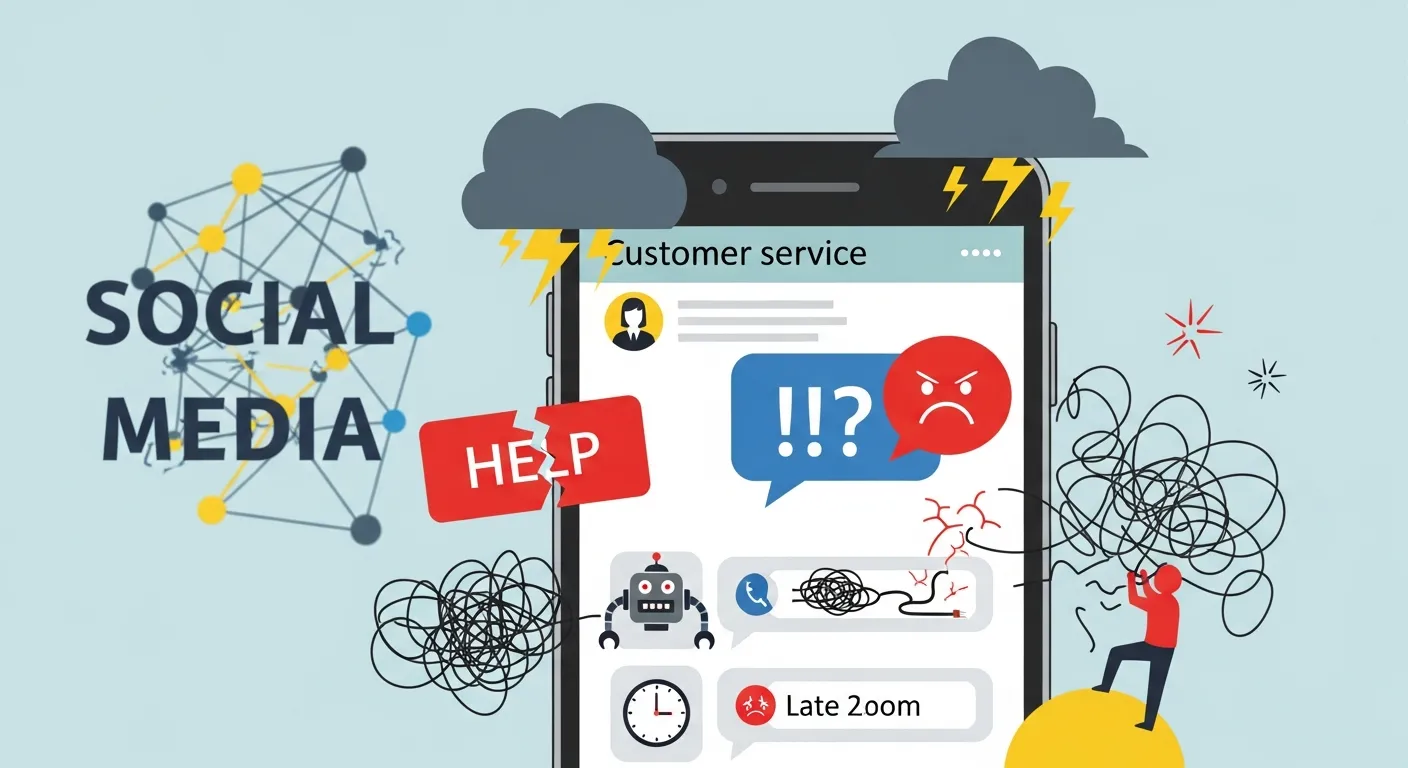
Social platforms function as the primary channel for modern customer service. When businesses fail to resolve issues promptly, private frustrations become public spectacles. Ignoring complaints is one of the most reliable causes of social media crisis development. An angry customer with a valid complaint will rally the internet against your brand.
A localized marketing crisis happens when support teams provide inadequate solutions or act dismissively. You must train your customer service representatives to handle high-pressure interactions flawlessly. Moving complex issues to private channels prevents the SM crisis from gaining public traction.
The causes of social media crisis linked to customer service are also indicative of broader organizational weaknesses. Brands need to resource customer support teams effectively, create escalation pathways, and empower agents to resolve issues promptly and compassionately.
Expanding on Customer Service-Driven Crisis Causes
- Public Exposure of Private Issues: When DM complaints are ignored, customers often post them publicly, exposing your brand to wider scrutiny.
- Failure to Follow Up: Promising a fix but failing to deliver often results in viral frustration.
- Unprepared Crisis Scenarios: Teams untrained in crisis communication can inadvertently fuel a marketing crisis by giving inconsistent or unclear assurances.
The Impact of Technical and Automation Errors
Automated posts, scheduled content, and technical glitches frequently lead to embarrassing situations. Posting pre-scheduled celebratory content during a global tragedy is a classic example of automation-driven crisis communication. Your automated bots cannot read the room; they only execute commands.
- Key Technical Triggers:
-
- Scheduled promotional posts are going live during inappropriate national events.
- Automated chatbot responses deliver insensitive replies to serious user complaints.
- Cross-posting errors, sending the wrong formatting or messaging to incompatible platforms.
An often-overlooked cause of social media crisis is reliance on outdated or poorly maintained tools. Regular system updates, human oversight, and staff training on software functionalities are key in preventing SM crisis events. Schedule periodic reviews and conduct mock drills to ensure your team knows how to override or pause automation in emergencies.
Analyzing Crisis Causes by Impact
Understanding how different triggers affect your business helps prioritize your prevention efforts.
|
Crisis Cause |
Escalation Speed |
Primary Business Impact |
Best Prevention Method |
|---|---|---|---|
|
Offensive Content |
Very Fast |
Severe reputation damage |
Multi-tier approval workflows |
|
Employee Actions |
Fast |
Loss of consumer trust |
Strict social media policies |
|
Technical Errors |
Medium |
Public embarrassment |
Manual review of automation |
|
Support Failures |
Slow to Fast |
Customer churn |
Dedicated response teams |
In evaluating operational risks as causes of social media crisis, continually update your crisis management plan based on past incidents and scenario analysis. Hold post-crisis reviews to identify what went wrong and implement measures to avoid repeat mistakes in your marketing crisis prevention strategy.
3. Partnerships, Products, and Prevention Strategies
External factors also serve as major causes of social media crisis situations. You cannot always control what your partners do, but you can control who you associate with. When influencers or business partners face controversies, their marketing crisis often bleeds onto your brand.
Thorough vetting is the only way to minimize these external crisis causes. You need comprehensive systems to track your campaigns, manage your partnerships, and oversee product launches safely.
Marketing tools and software guide
Influencer and Partnership Controversies
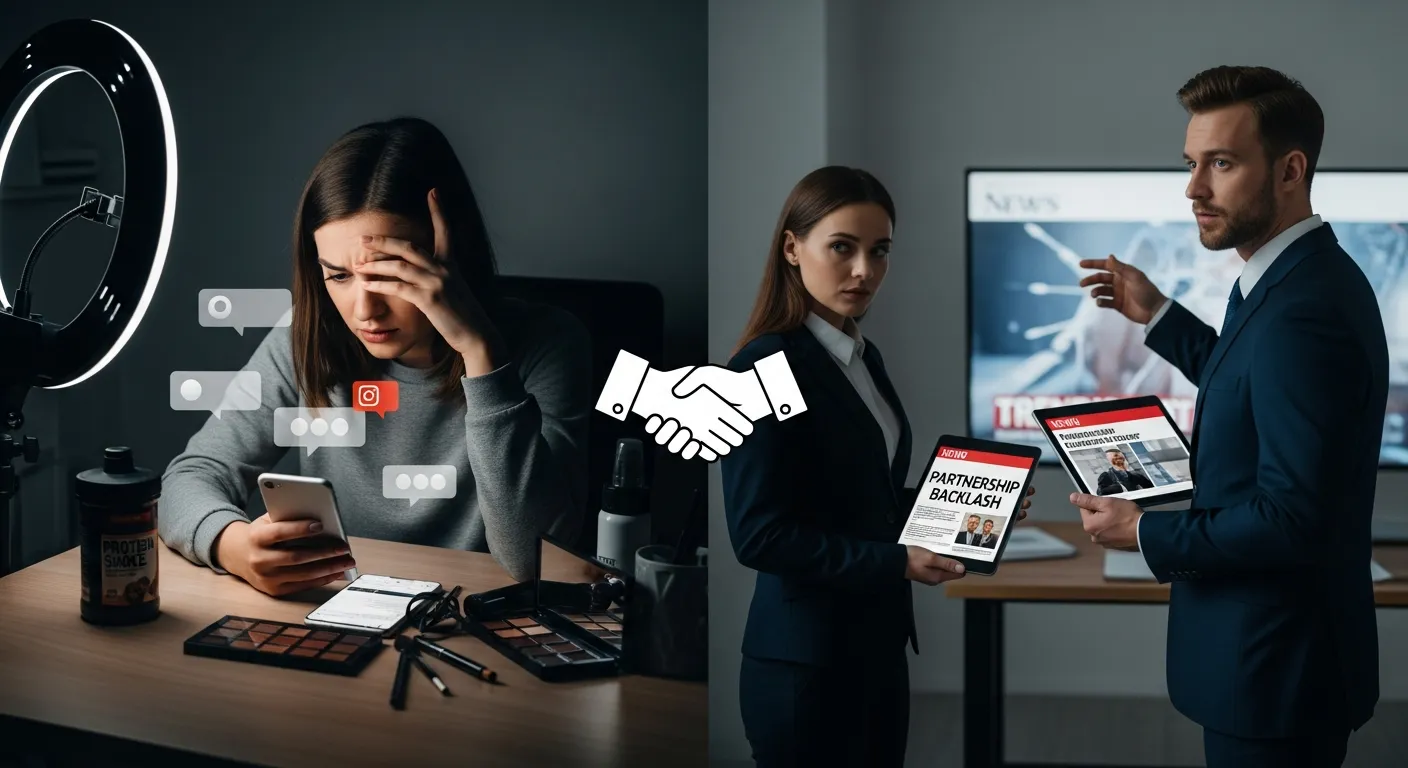
When an influencer associated with your brand behaves inappropriately, the public demands accountability from your company. This guilt by association is one of the most frustrating causes of social media crisis events. You must manage a marketing crisis that you did not directly create.
Partnership-related crisis causes include influencer scandals, partner company controversies, or sponsored content that misaligns with your core values. To prevent this type of SM crisis, include strict morality clauses in all your contracts. You must prepare immediate exit strategies for problematic partnerships to protect your brand equity.
Regularly review the online activities of your brand ambassadors and partners. Design a rapid communication protocol for exiting or addressing problematic associations as soon as controversy arises, limiting spillover effects from external crisis causes.
Product or Service Failures
When your product completely fails, customers take their anger straight to the internet. Product recalls, safety issues, and service outages are massive causes of social media crisis explosions. If your marketing claims mislead the public, the resulting backlash will be fierce and unrelenting.
To mitigate this marketing crisis, you must communicate proactively about known issues before customers discover them. Provide clear, easily accessible channels for reporting problems directly to your team. Addressing product concerns transparently prevents a localized defect from becoming a viral SM crisis.
Expanding on Product-Driven Crisis Causes
- Slow Acknowledgment of Issues: Failing to quickly notify your customers about product faults worsens negative sentiment and trust erosion.
- Inadequate Corrective Actions: Not offering refunds, replacements, or apologies can send a message that your brand doesn’t care, adding new fuel to the causes of social media crisis.
- Lack of Post-Crisis Follow-Up: Rebuilding relationships after a marketing crisis requires clear updates and responsive customer communication.
Building Your Crisis Prevention Strategy
To eliminate these common crisis causes, you must build a robust prevention framework. Develop comprehensive guidelines covering acceptable content types and strict approval processes. You need clear protocols detailing exactly how employees should conduct themselves online.
Use dedicated monitoring software to track brand mentions across all platforms constantly. Set up instant alerts for unusual activity spikes so you catch the marketing crisis early. Finally, prepare response templates for common scenarios. Having pre-approved messaging allows your team to respond to an SM crisis rapidly and professionally.
Additional Measures for Prevention
- Routine Risk Assessments: Audit your social presence, digital tools, and partnerships on a regular basis for new vulnerabilities.
- Real-Time Crisis Workshops: Conduct simulation drills to keep your team’s skills sharp in handling all the known causes of social media crises.
- Cross-Department Collaboration: Ensure that marketing, PR, legal, and compliance teams coordinate on messaging and crisis strategy to avoid gaps or duplicated efforts.
- Learning from Competitors’ Mistakes: Monitor how other businesses handle their marketing crisis moments to refine your own strategy and stay ahead of emerging crisis causes.
Proactive crisis management means returning to and refining your prevention protocols as new digital platforms, technologies, and risks emerge. No matter the tool or procedure, your brand’s ongoing resilience relies on your ability to adapt, educate your workforce, and maintain transparency with your audience when addressing all causes of social media crisis.
Frequently Asked Questions (FAQ)
What exactly defines a social media crisis?
A social media crisis is a negative event online that spreads rapidly and threatens your brand’s reputation. It goes far beyond a single customer complaint by gaining massive viral traction. You must act immediately to contain the damage and restore public trust.
What are the most common causes of social media crisis events?
The most frequent triggers include posting insensitive content, poor customer service, and unexpected employee misconduct. Technical glitches and failed influencer partnerships also spark severe backlash. Identifying these causes early helps you build better preventative strategies.
How do I handle an SM crisis effectively?
You should acknowledge the issue immediately with a transparent, empathetic holding statement while you investigate. Never delete negative comments or act defensively toward your audience. For a deeper understanding of response tactics, review managing a social media crisis to Protect Your Brand.
Why is an automated schedule dangerous during a marketing crisis?
Automated posts lack situational awareness and cannot read the current social climate. If a tragedy occurs, your scheduled promotional tweet will appear incredibly insensitive and tone-deaf. You must always pause automation during any major public emergency.
How can I prepare my team for crises?
You need to run regular training sessions simulating various digital emergencies and customer service breakdowns. Establish a clear chain of command so everyone knows who approves public statements. Creating pre-approved response templates saves critical time when disaster strikes.
How does software help prevent a marketing crisis?
Dedicated monitoring software scans the internet continuously for spikes in negative sentiment and brand mentions. It alerts your team to brewing trouble before the issue goes completely viral. To understand how tracking fits into your strategy, read this complete guide for digital media.
What should we do about negative comments during an SM crisis?
You must address negative comments politely and transparently without escalating the argument. Provide clear contact information to move highly agitated users to a private support channel. Deleting their comments will only make them angrier and louder.
How can an influencer cause a marketing crisis?
If a sponsored influencer makes an offensive public statement, the public will associate their behavior with your brand. Consumers will immediately demand that you drop the partnership and issue an apology. You must use strict morality clauses to terminate these relationships quickly.
What role does public relations play in an SM crisis?
Your PR team crafts the core messaging, ensures legal compliance, and handles communication with major news outlets. They work alongside your social team to ensure all public statements remain perfectly consistent. Learn exactly what media relations is to bridge the gap between your departments.
How do we rebuild trust after a severe marketing crisis?
You must take full accountability, explain exactly how you are fixing the problem, and follow through on your promises. Publish updates regularly detailing the concrete changes your company has made internally. Consistent, honest actions will eventually restore your audience’s faith.


I’m a passionate digital strategist and content creator focused on crisis communication, social media management, and online reputation. At SMCrisis, I share insights, tips, and real-world strategies to help brands navigate challenges, protect their image, and build trust in the digital space. My goal is to make crisis management simple, smart, and actionable for every business.









No Comments