


Social media crises can arise from product failures, offensive content, internal mistakes, or external threats. By understanding these crisis types and triggers, brands can respond quickly, protect their reputation, and build long-term resilience in a digital-first world.
Digital platforms have completely revolutionized how brands connect, communicate, and build relationships with their target audiences. However, this hyper-connected landscape has also created terrifying new vulnerabilities. A single misunderstood tweet, a defective product video, or a poorly timed promotional post can spiral into a full-blown Social Media Crisis within a matter of hours. This level of rapid escalation has the power to permanently damage years of carefully curated brand reputation, costing millions in lost revenue and destroying consumer trust.
Today’s environment isn’t simply fast-paced—it’s relentless. A Social Media Crisis is no longer a rare event for major corporations. Startups, small businesses, and even nonprofits are all susceptible, as negative content can spread instantly and globally. The viral nature of digital outrage means that it’s not just the company’s mistakes under scrutiny, but also how effectively and transparently a brand can respond. Customers expect empathy, action, and honest communication—otherwise, minor complaints can mushroom into a massive marketing crisis that affects every part of your organization.
Understanding the various forms a Social Media Crisis can take is the absolute best way to prepare your organization for potential disasters. If you know what to look for, you can identify the early warning signs and respond appropriately before the situation becomes unmanageable. This comprehensive guide explores the seven major categories of a Social Media Crisis that modern brands face. We will dive deep into identifying core crisis causes, managing an SM crisis effectively, and ensuring your team is fully equipped to handle any marketing crisis that comes your way.
The Foundations and Triggers of a Social Media Crisis
To effectively defend your business, you must first understand the fundamental anatomy of an SM crisis. A Social Media Crisis does not just happen out of nowhere; it is usually the result of specific, identifiable crisis causes that trigger public outrage. When a marketing crisis erupts, it is typically because the brand has violated the audience’s trust or expectations in a highly visible manner. In this section, we will explore two of the most damaging types of a Social Media Crisis: the product recall and the publication of offensive content.
Building Digital Resilience
Handling an SM crisis requires a dedicated digital infrastructure to ensure your team can communicate and publish updates seamlessly. When you are under intense public scrutiny, your internal systems must be flawless. For example, to manage your digital assets efficiently during a Social Media Crisis, you can significantly improve your workflow by using GPL tools to boost your WordPress site. This proactive approach gives your team the agility and coordination needed to respond quickly – a vital step when every second counts.
On top of that, keeping an eye on audience sentiment is crucial. Being able to monitor and understand real-time reactions allows you to intervene early with proactive communication. Choosing the right analytics platform makes all the difference—see how you can improve monitoring and reporting with the best tracking tools for business success. We’ll explore more effective tracking strategies in the next section.
The Product Recall Social Media Crisis
Product recalls represent one of the most serious and financially devastating types of a Social Media Crisis. When severe safety issues, health hazards, or major manufacturing defects are discovered by the public, news spreads rapidly across social platforms. This spread is often much faster than official company communications can keep up with.
A product recall becomes a severe SM crisis because it involves genuine safety concerns. When a customer feels physically threatened or scammed by a product, their immediate reaction is to warn others. Users share personal experiences, graphic photos of damaged products, and urgent warnings to friends and family. This organic spread of information can quickly overwhelm your official channels, leading to a massive marketing crisis.
Key Crisis Causes in Product Recalls
- Manufacturing flaws: Defective parts that cause the product to break or malfunction dangerously upon standard use.
- Health and safety hazards: Contaminated food items, allergens not listed on packaging, or skincare products causing severe chemical burns.
- False advertising claims: Products that fail to deliver on heavily promoted promises, leading consumers to feel deliberately deceived.
- Delayed corporate response: Waiting too long to acknowledge a known defect, causing the public to assume the brand is covering up the issue.
This category of Social Media Crisis can become a public relations nightmare if handled poorly. Frequent updates, open channels of communication, and offering clear, actionable instructions to affected customers are vital steps for limiting further brand damage.
The Negative and Offensive Content Crisis
A negative content SM crisis occurs when brands intentionally or accidentally publish material that their audiences find highly inappropriate, culturally insensitive, or blatantly discriminatory. These situations can destroy a brand’s reputation almost instantly, serving as one of the most preventable yet common crisis causes.
Offensive content can be posted accidentally, due to poor checks and balances in the campaign process, or from a lack of diversity within marketing teams. Additionally, the ever-evolving nature of what is considered “acceptable” or “offensive” makes it easy for well-intentioned campaigns to misfire, creating a marketing crisis out of what was meant to be inclusive or humorous content.
Several factors contribute to offensive content becoming a marketing crisis:
- Cultural insensitivity: Brands may inadvertently reference sensitive historical events or use imagery that deeply offends specific marginalized communities.
- Poor timing: Publishing an aggressively joyful, celebratory promotional campaign during a national tragedy or natural disaster makes the company appear entirely tone-deaf.
- Lack of diversity: Teams without diverse perspectives may miss subtle but significant issues.
- Automated posting: Scheduled posts may become inappropriate due to breaking events.
Strategies for Preventing a Content-Based SM Crisis
- Implement diverse review boards: Ensure your marketing team has diverse perspectives to review all content before it goes live to the public.
- Create strict approval hierarchies: Establish a multi-step approval process for topics that touch on sensitive social or political issues.
- Monitor current events constantly: Pause all automated and scheduled content immediately if a major global or national tragedy occurs.
- Train your marketing department: Provide ongoing education regarding cultural sensitivity, evolving language, and inclusive brand voice guidelines.
Brands need to invest in crisis simulation exercises, conduct regular audits of their content pipeline, and cultivate a culture where every employee feels empowered to flag potential issues before they go public.
Analyzing the Impact of Foundational Crisis Causes
|
Crisis Type |
Primary Crisis Causes |
Speed of Escalation |
Required Immediate Action |
Potential Long-Term Damage |
|---|---|---|---|---|
|
Product Recall |
Safety hazards, defects, contamination. |
Extremely Fast |
Halt sales, issue public safety warnings, recall items. |
Massive financial loss, permanent loss of consumer trust. |
|
Offensive Content |
Tone-deaf messaging, cultural insensitivity. |
Fast |
Delete content, issue a sincere apology, and audit internal reviews. |
Brand boycotts, negative press, loss of key partnerships. |
|
Timing Failures |
Scheduled posts during a global tragedy. |
Medium to Fast |
Pause all automation, acknowledge the oversight quickly. |
Temporary dip in engagement, reputation as an out-of-touch brand. |
Internal Failures and Operational Crisis Causes
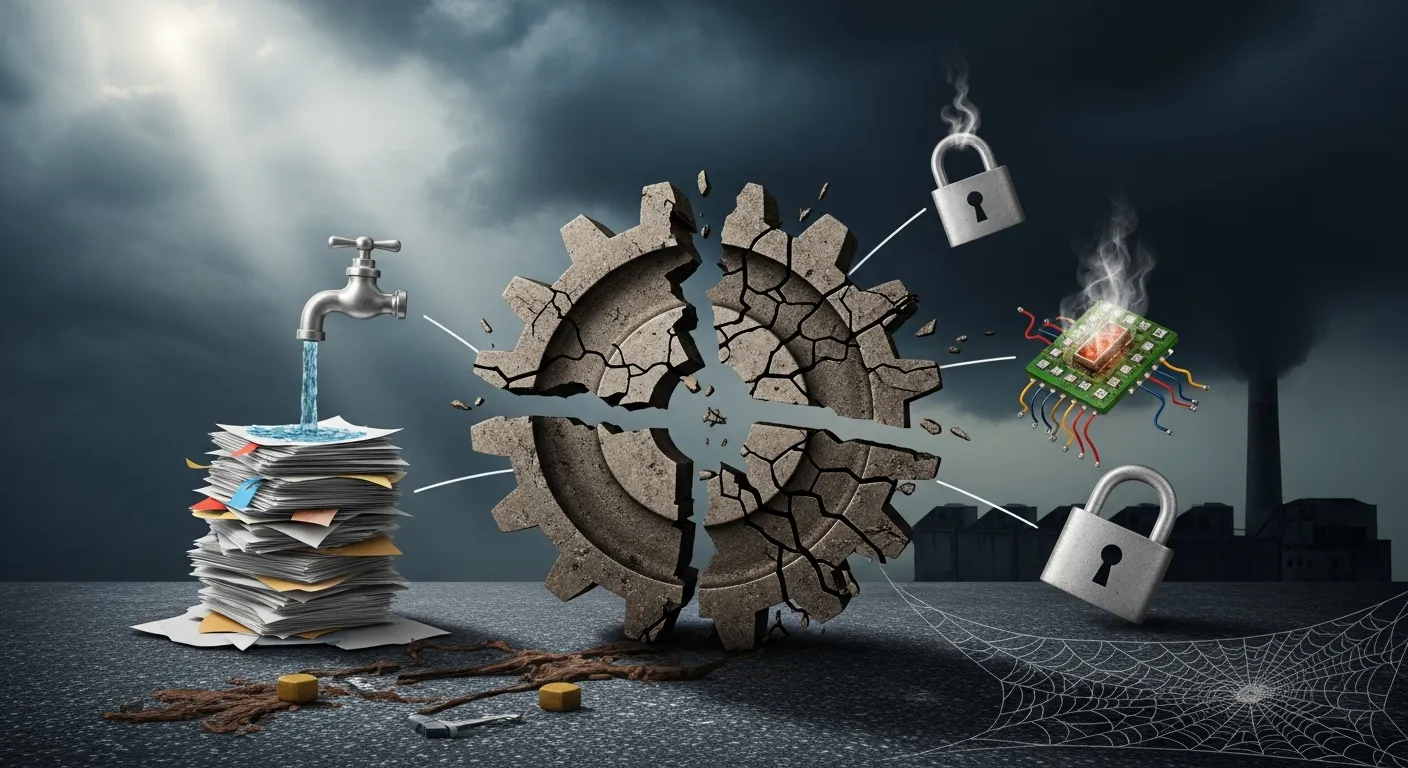
While some marketing crisis events are triggered by external misunderstandings, many of the most damaging Social Media Crisis situations stem from internal operational failures. When your internal processes break down, the results often spill out into the public digital square. This section covers the Social Media Crisis types that originate from within your company’s walls: customer service nightmares, employee misconduct, and catastrophic data breaches. Smart crisis management in these scenarios isn’t just about reaction—it’s about putting the right systems in place before disaster strikes.
Coordinating each department’s roles—especially when rapid response is critical—can be a challenge if your tech stack is fragmented. Strengthening your internal process with unified digital platforms is key. For comprehensive help streamlining communication and cross-functional tasks during a crisis, consider leveraging this marketing tools and software guide to support your crisis response teams. By synchronizing workflows and ensuring everyone knows their responsibilities, you create a playbook that helps contain and recover from an SM crisis faster and with less collateral damage.
Social Media Crisis incidents that arise internally can devastate not only your brand’s outside perception but also employee morale and loyalty. It’s important to remember that preventing crisis causes requires ongoing investment in structure, culture, and communication.
The Customer Service Nightmare
A customer service Social Media Crisis emerges when a brand consistently fails to address customer complaints effectively. These situations escalate quickly because frustrated customers no longer wait on hold; they take their grievances straight to the public timeline. What starts as a simple complaint transforms into a severe marketing crisis when the brand ignores the user.
Social platforms transform private customer service interactions into public spectacles. When customers feel ignored, belittled, or mistreated by support staff, they capture screenshots and share their experiences with massive networks. The viral nature of digital platforms means that a single customer service failure can reach millions of people within hours. A widespread SM crisis triggered by poor service proves to the public that your brand simply does not care about its buyers.
In the era of “call-out culture,” public accountability can significantly impact your bottom line. Not only do customers air their grievances for all to see, but their stories get shared, amplified, and — if unresolved — can push loyal customers to your competitors. Consistent investment in customer service technology, training, and process improvement is key to averting this Social Media Crisis.
Elevating Customer Service to Prevent an SM Crisis
- Establish dedicated social support: Build a specialized team solely focused on monitoring and resolving complaints on social platforms.
- Enforce strict response times: Mandate that all incoming inquiries on social media receive a personalized response within one hour.
- Ban robotic templates: Avoid using generic copy-paste apologies; personalize every response to show genuine human empathy.
- Move conversations to private channels: Acknowledge the issue publicly, but quickly direct the user to Direct Messages to resolve the nuanced details.
The Employee Misconduct Social Media Crisis
An employee misconduct SM crisis occurs when current or former staff members behave inappropriately online while visibly associated with your brand. These situations generate a complex marketing crisis, heavily damaging your brand’s reputation even when the actual misconduct happens entirely outside of official working hours.
Employee-driven crisis causes take various forms. An employee might share highly controversial political views while explicitly identifying themselves as a company executive in their bio. Alternatively, a staff member might post offensive content, engage in online harassment, or leak confidential company information. Because the public views your employees as extensions of your brand’s values, their personal SM crisis instantly becomes your corporate marketing crisis.
Mitigating Risks of Employee Behavior
- Clear social media guidelines: Train staff on company standards and what is considered unacceptable representation.
- Regular monitoring: Watch public employee profiles for potential crisis causes.
- Swift intervention: Set up rapid response teams in HR and PR for when misconduct emerges.
Taking a proactive approach helps reassure your audience and communicate strong values—key ingredients for restoring trust after a Social Media Crisis related to staff behavior.
The Data Breach and Privacy Crisis
Data breaches and privacy violations create an incredibly complex Social Media Crisis that intertwines severe legal liabilities, technical failures, and massive reputational challenges. Unlike a simple offensive tweet, a data breach SM crisis often unfolds agonizingly over weeks or months as investigators uncover new, damaging details.
Customers expect timely, complete, and transparent information on what happened, what is being done, and how they can protect themselves. Failure to overcommunicate breeds suspicion and worsens the marketing crisis.
A data breach morphs into a marketing crisis when millions of users suddenly realize their private information—passwords, credit cards, home addresses—is exposed to hackers. Users take to social platforms to express their sheer panic and rage. Competitors frequently use this type of Social Media Crisis to aggressively poach your terrified customers, while government regulatory agencies release public statements that further validate the crisis causes.
Response Essentials for Data Crisis
- Immediate public statement: Never delay official acknowledgment.
- Offer solutions: Provide monitoring services or compensation.
- Publish updates frequently: Transparency helps stem public anger.
- Review security: Announce and implement robust new security protocols.
Operational SM Crisis Matrix
|
Crisis Category |
Core Crisis Causes |
Public Perception |
Mitigation Strategy |
Severity Level |
|---|---|---|---|---|
|
Customer Service |
Ignored complaints, rude staff, lack of empathy. |
The brand is greedy and uncaring. |
Implement 1-hour response times, humanize all replies. |
Moderate to High |
|
Employee Misconduct |
Staff posting hate speech, leaking private data. |
The company harbors toxic individuals. |
Enforce strict social media contracts, immediate disciplinary action. |
High |
|
Data Breach |
Weak cybersecurity, hacked databases, leaked files. |
The brand is incompetent and unsafe. |
Transparent reporting, offer free identity protection services. |
Extremely High |
External Threats and Viral Amplification
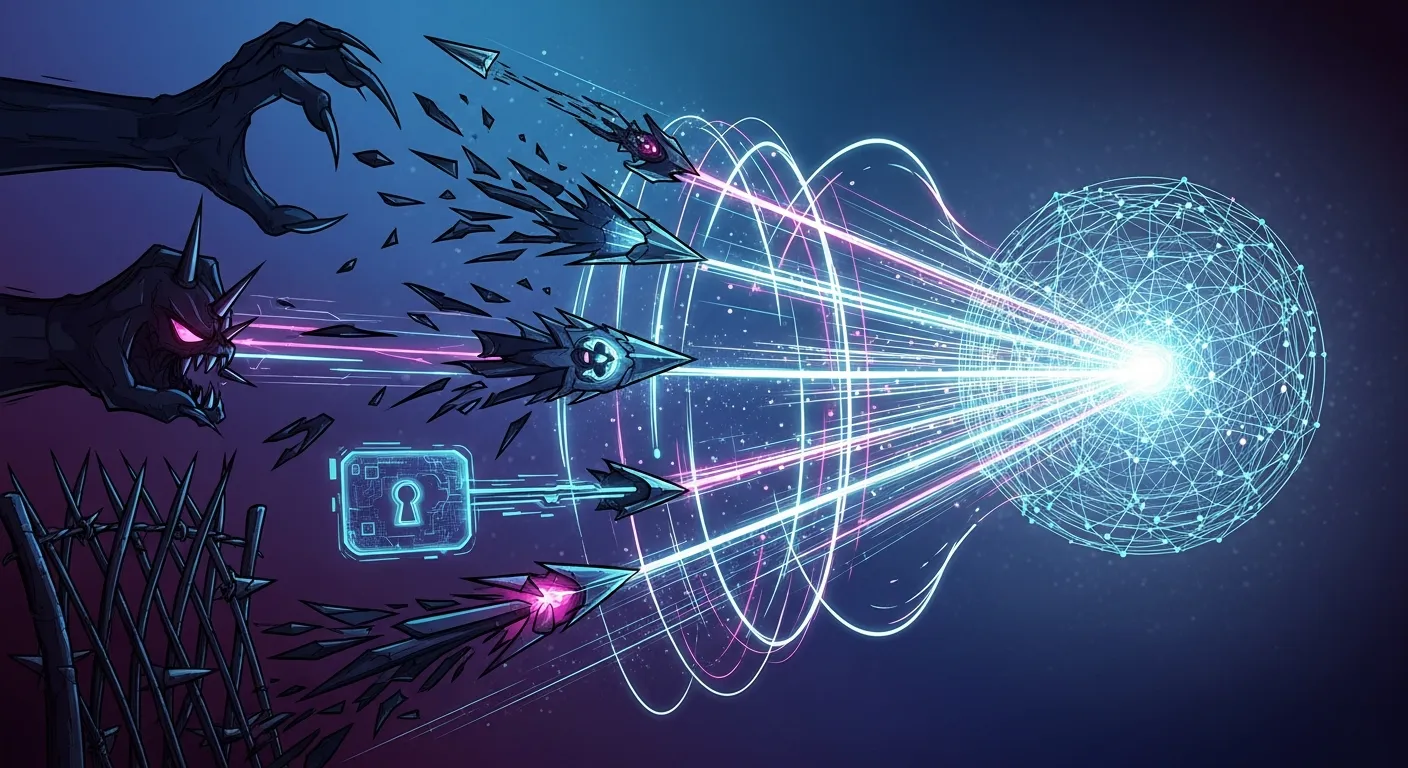
Even if your internal operations are flawless, your brand still faces severe external threats that can trigger a massive Social Media Crisis. In the digital age, a marketing crisis can be ignited by third-party affiliates or by the uncontrollable, algorithmic nature of viral outrage. This section explores the final two types of a Social Media Crisis: the influencer partnership gone wrong and the viral negative content storm.
Managing an external SM crisis is uniquely challenging because you do not have direct control over the crisis causes. You cannot force an influencer to behave, nor can you forcefully delete a viral video made by an angry consumer. Instead, your marketing crisis strategy must rely entirely on your ability to respond, distance your brand from toxic elements, and accurately correct widespread misinformation.
The Influencer Partnership Gone Wrong
Influencer marketing is highly effective, but it carries the immense risk of generating a devastating Social Media Crisis. An influencer-driven SM crisis occurs when a brand partner becomes embroiled in a massive personal scandal, exhibits offensive behavior, or completely fails to meet the brand’s ethical standards.
There are several core crisis causes associated with influencer partnerships. The most common is the sudden unearthing of an influencer’s past problematic behavior, such as old racist tweets or scam promotions. Another frequent marketing crisis trigger is when an influencer fails to properly disclose sponsored content, leading to investigations by regulatory bodies like the FTC. When an influencer goes down in flames, they drag your brand’s reputation down with them.
Safeguarding Against an Influencer SM Crisis
- Conduct deep background checks: Never partner with an influencer without thoroughly auditing their past content across all platforms.
- Draft ironclad morality clauses: Ensure your legal contracts allow for immediate termination without pay if the influencer creates a Social Media Crisis.
- Monitor active campaigns closely: Do not just launch a campaign and look away; track the public sentiment of the influencer daily.
- Prepare separation statements: Have pre-drafted PR statements ready to announce the termination of the partnership should an SM crisis occur.
Ensuring you have strong vetting procedures will minimize the likelihood of your brand being pulled into an external marketing crisis. Publicly distancing your identity and issuing prompt, clear explanations ensures long-term audience respect.
The Viral Negative Content Crisis
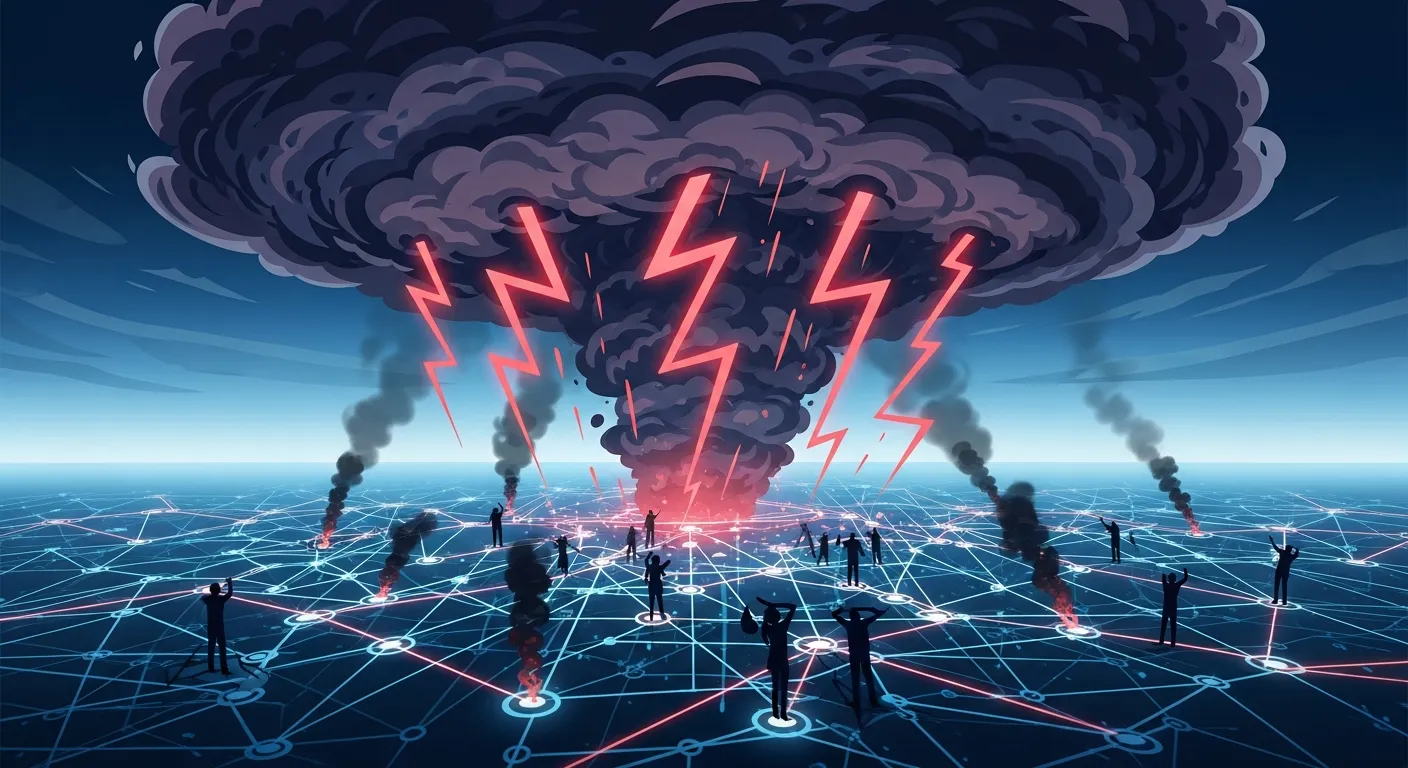
The final type of Social Media Crisis is the viral negative content storm. This occurs when highly unfavorable, critical, or mocking content about your brand is amplified by social media algorithms, reaching millions of screens in a matter of hours. This type of marketing crisis can start from a seemingly minor incident—a funny but critical TikTok review, a coordinated attack by a competitor, or an activist campaign targeting your supply chain.
Steps to Manage Viral Negativity
- Rapid assessment: Determine the scale and legitimacy of the content.
- Own valid mistakes: Admit fault and communicate remedial measures.
- Neutral tone: Engage critics respectfully and avoid escalation.
- Monitor closely: Watch for sentiment changes and additional viral moments.
Content typically goes viral and creates an SM crisis when it taps into existing, underlying public frustrations with your brand or your broader industry. If a piece of content is particularly shocking, emotionally provocative, or humorous, users will share it endlessly. If your brand’s initial response to this marketing crisis is overly defensive, legally threatening, or dismissive, you will only add fuel to the fire, multiplying the severity of the crisis causes.
Handling a viral negative content Social Media Crisis requires incredible patience and a complete lack of ego. You must rapidly assess the validity of the viral claims. If the crisis causes are legitimate, you must own the mistake fully, correcting the issue transparently without making excuses. A masterfully handled SM crisis can actually increase long-term brand loyalty, proving to consumers that you are accountable and responsive under intense pressure.
Analyzing External SM Crisis Factors
|
Threat Type |
Underlying Crisis Causes |
Amplification Method |
Best Response Tactic |
Brand Risk Level |
|---|---|---|---|---|
|
Influencer Scandal |
Creator racism, scams, or illegal acts. |
Celebrity gossip channels, viral threads. |
Immediate public termination of the contract. |
High |
|
Viral Hate Content |
Shocking reviews, meme culture, activism. |
Algorithmic boosting, retweets, stitches. |
Acknowledge valid points, never threaten to sue. |
Very High |
|
Competitor Attacks |
Rival brands highlight your flaws. |
Paid amplification, comparison charts. |
Take the high road, focus on your own product value. |
Moderate |
Frequently Asked Questions (FAQ)
1. What is the very first step we must take when a Social Media Crisis hits?
The absolute first step in any SM crisis is to pause all automated marketing campaigns to avoid looking tone-deaf. Next, issue a brief, empathetic holding statement to acknowledge the issue publicly. For a deep dive into building this initial response, you should read about managing a social media crisis effectively.
2. How do we accurately identify the crisis causes quickly during the chaos?
You need to utilize advanced social listening tools to trace the viral outrage back to its absolute original source. Look for the very first mention, review, or video that sparked the engagement. Understanding the root allows you to tailor your apology accurately.
3. Is it possible for a brand to completely survive a massive marketing crisis?
Yes, absolutely. Brands survive a massive marketing crisis every day by prioritizing radical transparency, deep empathy, and swift operational changes. If you handle the SM crisis without defensive ego, consumers are often willing to forgive and forget over time.
4. How can we train our internal team to handle an SM crisis without panicking?
Regularly conduct simulated crisis drills where your team must react to hypothetical crisis causes in real-time. Role-playing builds essential muscle memory. To better understand the landscape your team is navigating, consult a complete guide for digital media to build their confidence.
5. Should our CEO always be the one to apologize during a Social Media Crisis?
Not always. The CEO should step in for severe issues like massive data breaches, major product safety recalls, or company-wide ethical failures. For a smaller marketing crisis, such as a poorly worded tweet, a brand-level apology from the official account is generally more appropriate.
6. What is the difference between an organic SM crisis and an organized boycott?
An organic SM crisis happens spontaneously when users react to a specific incident naturally. An organized boycott is a coordinated attack, usually driven by activist groups with specific political or social demands, targeting your underlying crisis causes persistently over a long period.
7. When should we involve traditional news outlets during an ongoing SM crisis?
You should engage traditional media when the marketing crisis jumps off social platforms and begins affecting your offline reputation or stock price. Releasing a formal press statement helps clarify your stance. Learning what is media relations can help you bridge the gap between social and traditional news.
8. Why do generic apologies make a marketing crisis significantly worse?
Generic, copy-pasted apologies make the brand appear robotic, legally evasive, and entirely uncaring. When people are angry about specific crisis causes, responding with “we are sorry you feel that way” invalidates their feelings and frequently triggers a secondary wave of the Social Media Crisis.
9. How do we know when a Social Media Crisis has officially ended?
An SM crisis is generally considered over when your daily brand mentions return to their normal baseline volume, and the sentiment ratio shifts back to predominantly neutral or positive. However, you must continue to monitor the specific crisis causes to ensure they do not randomly flare up again.
10. Can we permanently delete our social media accounts to escape an SM crisis?
No, deleting your accounts during an active marketing crisis is the absolute worst thing you can do. It makes the brand look incredibly guilty, cowardly, and dismissive of the public’s concerns. You must stand your ground, face the crisis head-on, and communicate your way through the storm.


I’m a passionate digital strategist and content creator focused on crisis communication, social media management, and online reputation. At SMCrisis, I share insights, tips, and real-world strategies to help brands navigate challenges, protect their image, and build trust in the digital space. My goal is to make crisis management simple, smart, and actionable for every business.







No Comments