


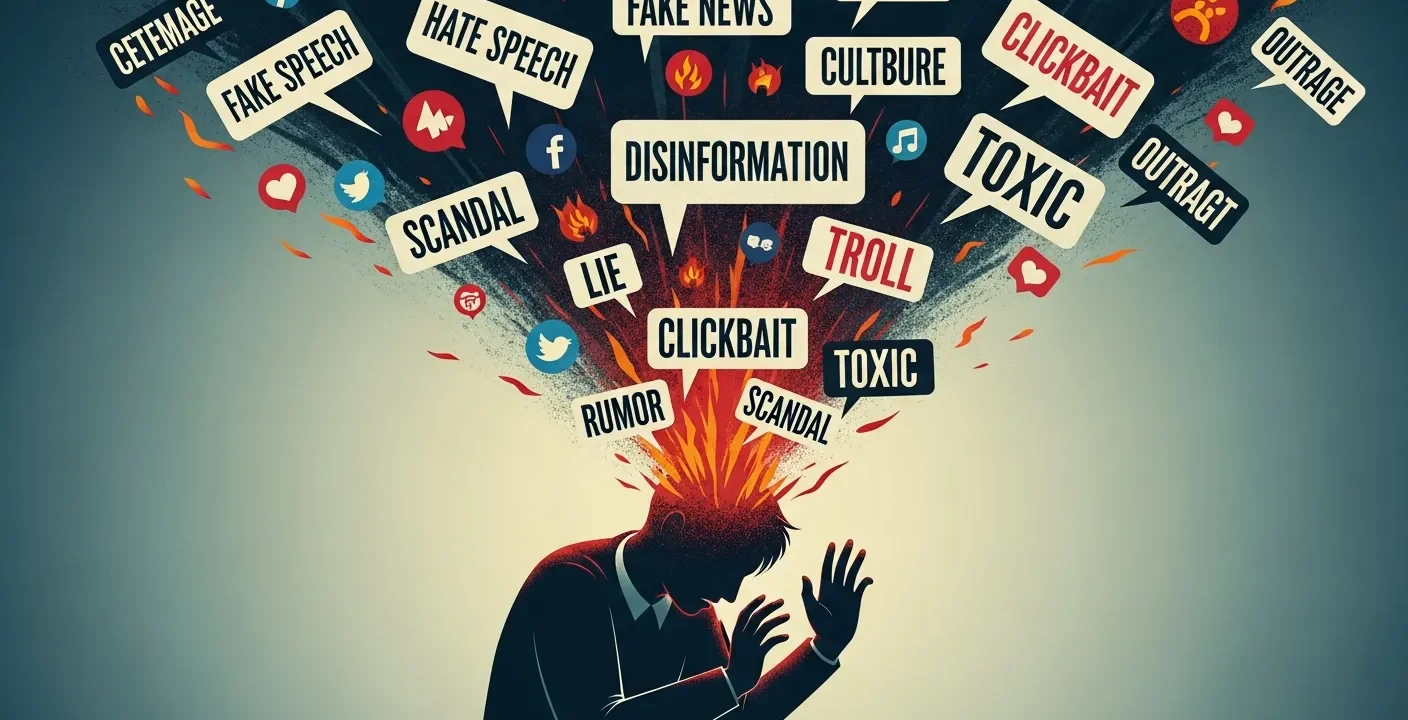
This guide explains how to control viral negative content during a social media crisis, covering causes, rapid response strategies, platform-specific tactics, legal options, and long-term reputation management to protect brand image, rebuild trust, and prevent future crises.
Viral content operates as a powerful double-edged sword for modern businesses. Positive viral moments can skyrocket your brand awareness, engagement, and sales. Conversely, negative content that spreads rapidly can decimate your hard-earned reputation within a matter of hours. The incredible speed at which information travels across digital platforms means that a single misstep, a controversial statement, or a poorly timed advertisement can spiral into a devastating social media crisis.
Understanding exactly how to manage and Control Viral Negative Content is absolutely crucial for businesses, public figures, and anyone maintaining an online presence. This comprehensive guide will walk you through proven, battle-tested strategies to minimize immediate damage, regain control of your public narrative, and protect your brand’s reputation when negative sentiment starts spreading like wildfire. Through detailed analysis and reviewing a crisis case study or two, we will prepare you for the worst-case scenario.
Understanding Viral Negative Content

Before you can Control Viral Negative Content, you must understand its anatomy. Viral negative content refers to any piece of information, video, image, or text that spreads exponentially across digital platforms while portraying a person, product, or organization in a highly negative light. This type of content is the primary fuel for a severe social media crisis.
The Origins of a Social Media Crisis
A social media crisis rarely appears out of thin air. It usually stems from specific vulnerabilities or operational failures. To effectively Control Viral Negative Content, you must identify where the threat originated.
- Customer complaints: Minor issues that resonate with a wider, frustrated audience can explode rapidly.
- Corporate mistakes: Controversial statements or insensitive jokes made by company representatives.
- Internal leaks: Leaked internal communications, emails, or behind-the-scenes footage showcasing poor practices.
- Contextual misunderstandings: Campaigns that escalate into a social media crisis due to a lack of cultural context.
- Coordinated attacks: Intentional, malicious attacks from competitors, trolls, or disgruntled former employees.
The defining characteristic of viral negative content is its terrifying spread rate. Unlike traditional print media, viral content reaches millions of users within hours. This renders traditional crisis management timelines completely obsolete. Sometimes, negative attention is intentionally generated as a marketing tactic. To understand this dynamic, you can read about what is negative marketing and how it leverages controversy. However, unintentional outrage requires immediate mitigation.
Traditional PR Issue vs. Social Media Crisis
|
Characteristic |
Traditional PR Issue |
Viral Social Media Crisis |
|---|---|---|
|
Speed of Spread |
Days or weeks |
Minutes or hours |
|
Audience Reach |
Limited to specific publications |
Global, cross-platform visibility |
|
Control Level |
High (Press releases, embargoes) |
Low (User-generated sharing) |
|
Required Action |
Standard media relations |
Immediate Protocol to Control Viral Negative Content |
The First 24 Hours: Immediate Response Strategy
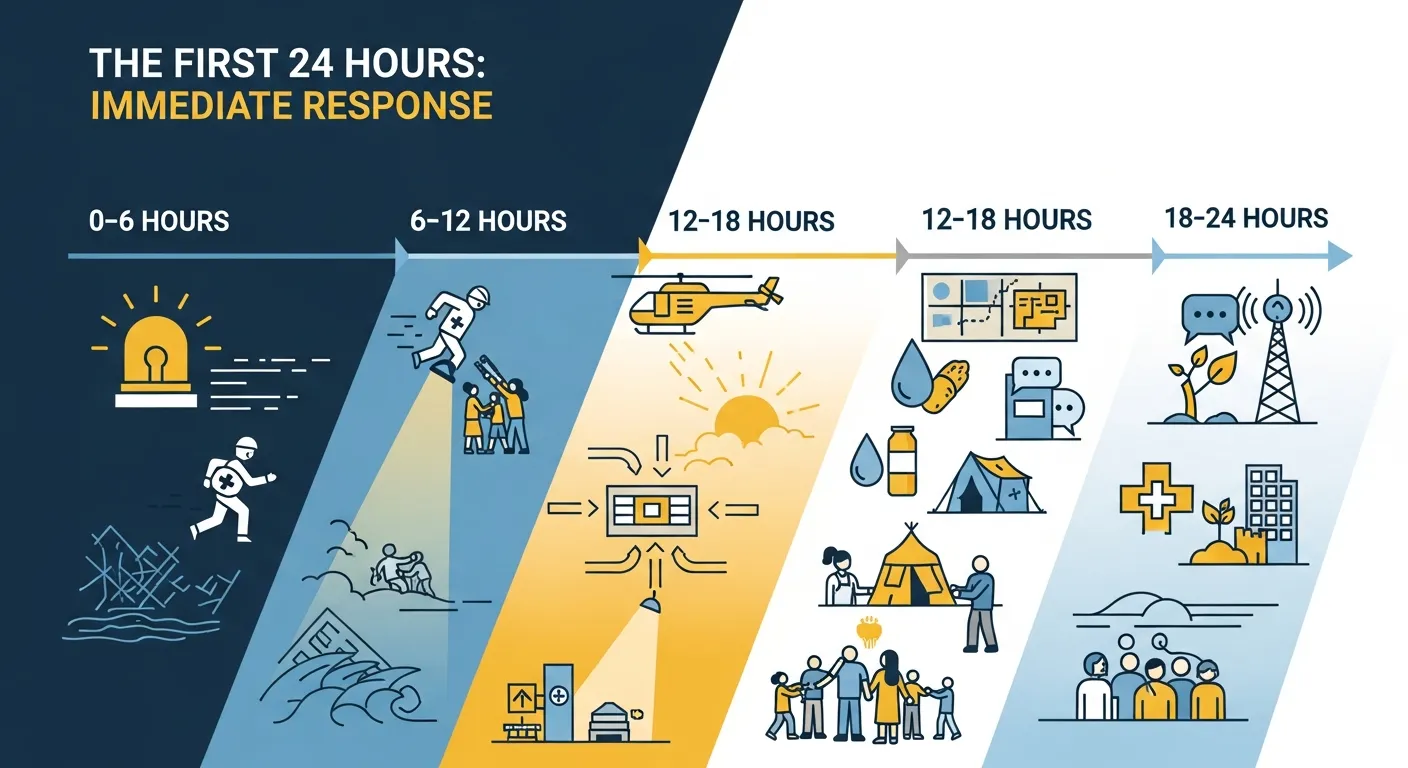
When a social media crisis hits, the first 24 hours determine whether your brand survives or suffers permanent damage. You must act decisively to Control Viral Negative Content before it solidifies into established public opinion.
Assess the Situation Quickly
The exact moment you discover negative content gaining traction, you must conduct a rapid, objective assessment. Determine the source, the scope, and the severity of the social media crisis. Ask your crisis team these vital questions:
- Is the viral negative content factually accurate, partially true, or entirely fabricated?
- How rapidly is the content spreading, and what is the current engagement velocity?
- Which specific platforms are driving the most conversation?
- Is a previous crisis case study applicable to this current situation?
Do Not Panic or React Emotionally
The absolute worst thing you can do during a social media crisis is to respond while your emotions are running high. Knee-jerk, defensive reactions always make situations significantly worse. Take the necessary time to breathe, gather your crisis management team, and develop a measured, factual response strategy to Control Viral Negative Content.
Monitor All Digital Channels
You cannot Control Viral Negative Content if you do not know where it lives. You must use advanced social media monitoring tools to track brand mentions across the entire digital ecosystem. A localized issue on one platform can easily become a multi-platform social media crisis.
Key Platforms to Monitor
- Twitter/X: The epicenter of real-time outrage and viral movements.
- Facebook: Where local community outrage and group discussions amplify issues.
- Instagram: Where visual evidence of a social media crisis spreads via Stories and Reels.
- TikTok: Where younger demographics create reaction videos that escalate the issue.
- LinkedIn: Where professional reputation and B2B relationships suffer damage.
- Reddit: Where deep-dive investigations and coordinated outrage often originate.
Damage Control Strategies
Once you have assessed the threat, you must deploy active damage control strategies. The goal here is to Control Viral Negative Content by changing the trajectory of the conversation.
Acknowledge and Address the Issue
If the viral negative content contains valid criticism or highlights a genuine operational mistake, you must acknowledge it promptly. Silence during a social media crisis implies guilt. A sincere, well-crafted public response often halts the spread of negative sentiment.
Your response strategy to Control Viral Negative Content should include:
- Taking absolute responsibility where appropriate.
- Providing missing context or necessary clarification without sounding defensive.
- Outlining the exact, specific steps you are taking to resolve the social media crisis.
- Maintaining a highly professional, respectful, and empathetic tone.
Correct Blatant Misinformation
When viral negative content relies heavily on false information, you must provide factual corrections immediately. However, simply stating “this is false” without offering hard evidence will not Control Viral Negative Content.
Instead, you should present clear, verifiable facts. Use official sources, internal documentation, and transparent data. Share your factual correction across multiple platforms simultaneously. Consider creating highly visual content, such as infographics, to make your factual correction more shareable than the original lie.
Leverage Your Brand Supporters
Mobilize your loyal customers, dedicated employees, and brand advocates. While you must never ask them to lie or misrepresent facts, genuine supporters help share your side of the story. They provide the necessary balance to the conversation during a social media crisis. A great crisis case study often highlights how a loyal community stepped in to defend a beloved brand from unfair viral attacks.
Platform-Specific Response Tactics
To successfully Control Viral Negative Content, you must tailor your response to the specific platform where the social media crisis is occurring. A one-size-fits-all approach fails in modern digital communication.
Twitter/X Tactics
Twitter’s real-time, rapid-fire nature makes it both the most dangerous and most effective platform for crisis management. Use threaded tweets to provide detailed, nuanced explanations. Consider pinning important clarifications and official apologies to the top of your profile so it is the first thing angry users see.
Facebook Tactics
Facebook’s algorithm can work severely against you if negative content gains initial traction in groups. Focus on engaging directly with individual commenters. Create comprehensive, long-form posts that provide full context to Control Viral Negative Content.
Instagram Tactics
Visual platforms demand visual responses. You cannot post a wall of text to fix an Instagram-based social media crisis. Create clean infographics, carousel posts, or direct-to-camera videos that clearly communicate your corporate message. Instagram Stories are particularly effective for providing real-time, humanizing updates.
TikTok Tactics
If a social media crisis is spreading wildly on TikTok, you must consider creating response videos that match the platform’s authentic, unpolished tone. However, be incredibly careful not to appear tone-deaf, overly corporate, or dismissive of legitimate audience concerns.
Some brands actually utilize the chaotic nature of these platforms to their advantage. Reviewing real examples of negative marketing that nailed it can provide a unique perspective on how virality works, even if your current goal is strictly damage control.
Legal Considerations and Options
Sometimes, attempts to Control Viral Negative Content require legal escalation. While public relations tactics handle most of a social media crisis, certain red lines require attorneys.
When to Involve Legal Teams
Not all negative viral content requires legal intervention. Analyzing a past legal crisis case study shows that aggressive litigation can sometimes cause the “Streisand Effect,” bringing more attention to the issue. However, situations that warrant legal review include:
- Content containing provably defamatory statements that impact revenue.
- Blatant copyright or trademark infringement used maliciously.
- Doxxing, severe harassment, or coordinated stalking of employees.
- Credible threats of physical violence against your staff or property.
- The illegal leaking of highly confidential corporate information.
DMCA Takedown Notices
If the viral negative content includes copyrighted material that your brand strictly owns, you can file Digital Millennium Copyright Act (DMCA) takedown notices with the hosting platforms. However, use this tool to legitimately Control Viral Negative Content, not as a shady tactic to silence valid, legally protected criticism.
Cease and Desist Letters
For severe cases involving intentional defamation or coordinated harassment, formal cease and desist letters prove effective. Keep in mind that in a modern social media crisis, recipients often post these letters online to generate more sympathy. Weigh the risks carefully before acting.
Long-Term Reputation Recovery
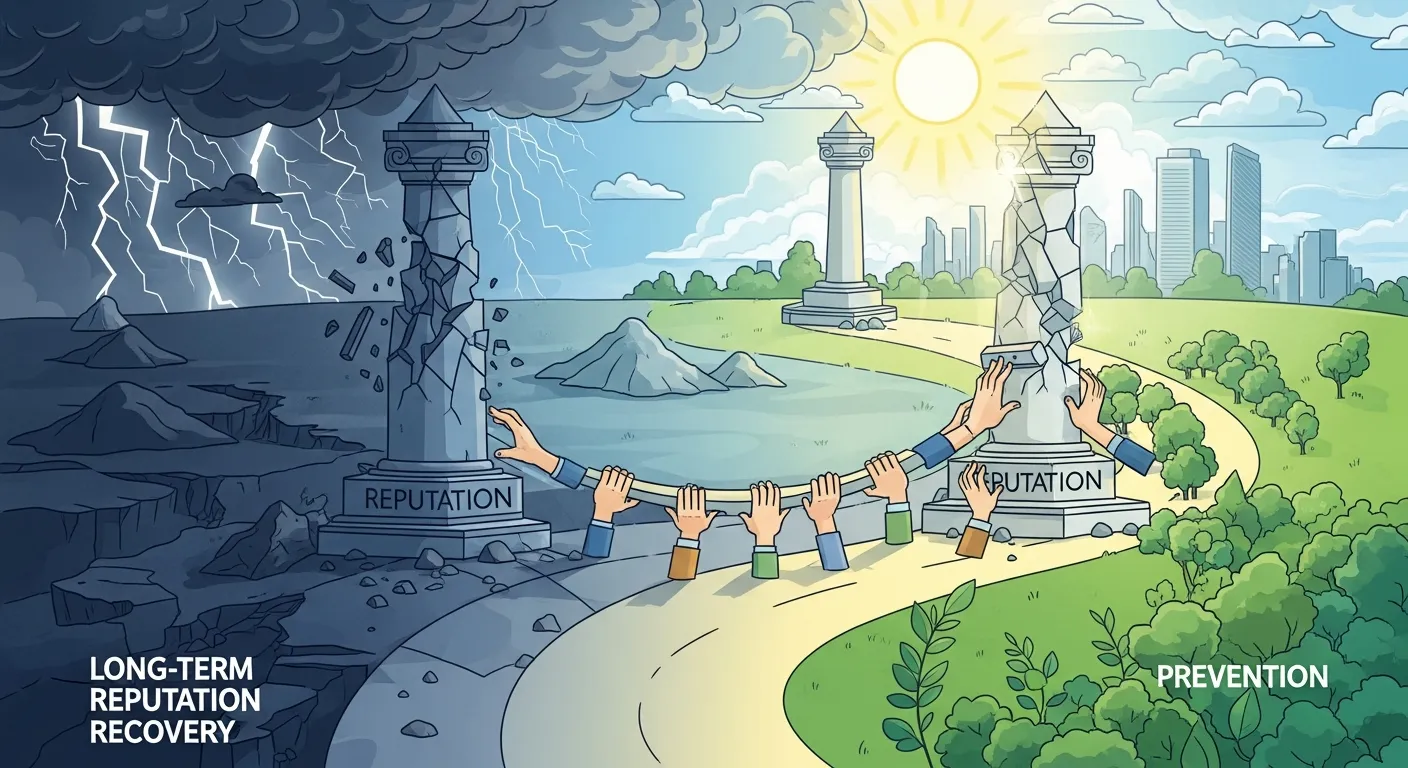
After you successfully Control Viral Negative Content in the short term, you must focus on the long game. A social media crisis leaves lasting digital scars that require sustained effort to heal.
SEO and Content Strategy
Negative viral content often dominates search engine results for your brand name long after the social media crisis ends. You must implement a long-term SEO strategy to push positive content higher in search rankings:
- Create high-quality, positive content consistently across all owned channels.
- Optimize existing positive content for your most relevant brand keywords.
- Build strong backlinks to positive press regarding your brand.
- Study a recovery crisis case study to see how other brands buried negative search results.
Rebuilding Brand Trust
Consumer trust takes years to build and seconds to destroy. To recover from a social media crisis, focus heavily on consistent, transparent communication. Demonstrate actual, verifiable changes in your corporate behavior or policy. Highlight positive customer experiences and lean into community engagement to prove your brand’s true values.
Prevention: Building Crisis-Resistant Systems
The most effective way to Control Viral Negative Content is to prevent the social media crisis from ever happening. Building robust, crisis-resistant systems is a mandatory investment for any serious business.
Establish Social Media Policies
Develop comprehensive, iron-clad social media policies for all team members. Analyzing any major crisis case study usually reveals a failure in internal policy. Your guidelines should cover appropriate content, response protocols for negative feedback, and strict escalation procedures.
Monitoring and Early Warning Systems
Implement robust digital monitoring systems that alert you to potential issues before they become a viral social media crisis. Set up Google Alerts, use enterprise social listening tools, and conduct regular sentiment analysis on your brand name.
Crisis Communication Plans
Develop highly detailed crisis communication plans. Your plan to Control Viral Negative Content must include designated team roles, pre-approved corporate messaging templates, and emergency contact information for all key external stakeholders.
Moving Forward: Lessons Learned
Every social media crisis, while incredibly challenging, provides highly valuable lessons about your brand vulnerabilities, your audience’s expectations, and your internal communication strategies. The companies that emerge the strongest from a crisis case study are those that genuinely learn from the painful experience and implement meaningful, permanent changes.
Taking proactive steps to Control Viral Negative Content ensures that your brand remains resilient. Your response to a social media crisis can actually become a defining, positive moment for your brand if handled with absolute integrity and transparency.
Frequently Asked Questions (FAQ)
1. What is the very first step to Control Viral Negative Content?
The first step is to immediately pause all outgoing promotional posts and assess the scope of the issue. You must gather your crisis team to determine the facts before issuing a holding statement. Acting too quickly with incorrect information worsens the social media crisis.
2. How do we know if our accounts were hacked to cause the crisis?
If highly offensive, uncharacteristic content suddenly posts from your official channels, you may be compromised. Your IT team must act quickly; reviewing a guide on handling a social media security breach will help you lock down accounts immediately. Always notify your audience once the accounts are secured.
3. Should we delete negative comments during a social media crisis?
No, you should generally avoid deleting comments unless they violate platform terms, contain hate speech, or feature severe profanity. Deleting valid criticism makes your brand look guilty and defensive, which accelerates the social media crisis. Address concerns transparently instead.
4. How can we ensure our entire digital strategy is crisis-resistant?
Building a resilient brand requires cohesive guidelines across all digital platforms. Aligning your marketing and customer service teams is essential. Following a complete guide for digital media strategy helps ensure that your brand voice remains consistent and protected against avoidable mistakes.
5. How do we issue a formal statement to the media during a crisis?
While posting on social channels is necessary, you must also distribute an official, legally reviewed statement to journalists. To ensure your narrative is clearly understood, learn how to write an effective press release that outlines your accountability and next steps. This controls the story outside of social platforms.
6. Can a past crisis case study really help us in a modern crisis?
Absolutely. Reviewing a relevant crisis case study shows you exactly how the public reacts to specific corporate apologies and damage control tactics. Learning from the mistakes of other brands allows you to Control Viral Negative Content much more effectively.
7. How long does a typical social media crisis last?
The acute, highly viral phase of a social media crisis usually peaks within 24 to 72 hours. However, if the brand responds defensively or ignores the issue, the backlash can last for weeks. The SEO damage can persist for years if not actively managed.
8. Why is active monitoring crucial to Control Viral Negative Content?
Active monitoring allows you to spot a spark before it becomes a forest fire. By using social listening tools, you can address a frustrated customer or a controversial post immediately. Early intervention is the most effective way to prevent a full-scale social media crisis.
9. What role do brand advocates play in a social media crisis?
Brand advocates provide organic, third-party validation that a corporate statement cannot achieve. When loyal customers share positive experiences during a crisis case study event, it dilutes the concentrated negativity. They help balance the public narrative authentically.
10. How do we rebuild trust after failing to Control Viral Negative Content initially?
If your initial response failed, you must issue a secondary, highly authentic apology, taking full accountability for the mishandling. Rebuilding trust requires long-term, demonstrable changes to your business practices. Consistency, transparency, and time are the only cures for a severely mismanaged social media crisis.


I’m a passionate digital strategist and content creator focused on crisis communication, social media management, and online reputation. At SMCrisis, I share insights, tips, and real-world strategies to help brands navigate challenges, protect their image, and build trust in the digital space. My goal is to make crisis management simple, smart, and actionable for every business.











No Comments