


A strong crisis response protects brand reputation during an SM crisis or marketing crisis. By identifying crisis causes early, responding with empathy and speed, and maintaining transparency, businesses can rebuild trust and emerge stronger after disruption.
When a sudden disaster strikes your business, the immediate reaction of your leadership team dictates the future of your company. Your crisis response is the ultimate test of your brand’s integrity, resilience, and commitment to your customers. Whether you are dealing with a severe marketing crisis, an unexpected product failure, or a viral SM crisis, how you communicate in the first twenty-four hours changes everything. Poor crisis response strategies destroy decades of hard-earned consumer trust, while a transparent, empathetic crisis response can actually strengthen stakeholder loyalty and increase long-term market share.
This comprehensive guide breaks down the essential elements of an effective crisis response. We will explore the fundamental crisis causes that trigger public outrage, outline the steps to mitigate a severe marketing crisis, and provide actionable frameworks for managing an SM crisis. By understanding the anatomy of a crisis response, you can transform a potential brand disaster into a powerful demonstration of corporate responsibility.
Understanding Crisis Causes and Initial Response
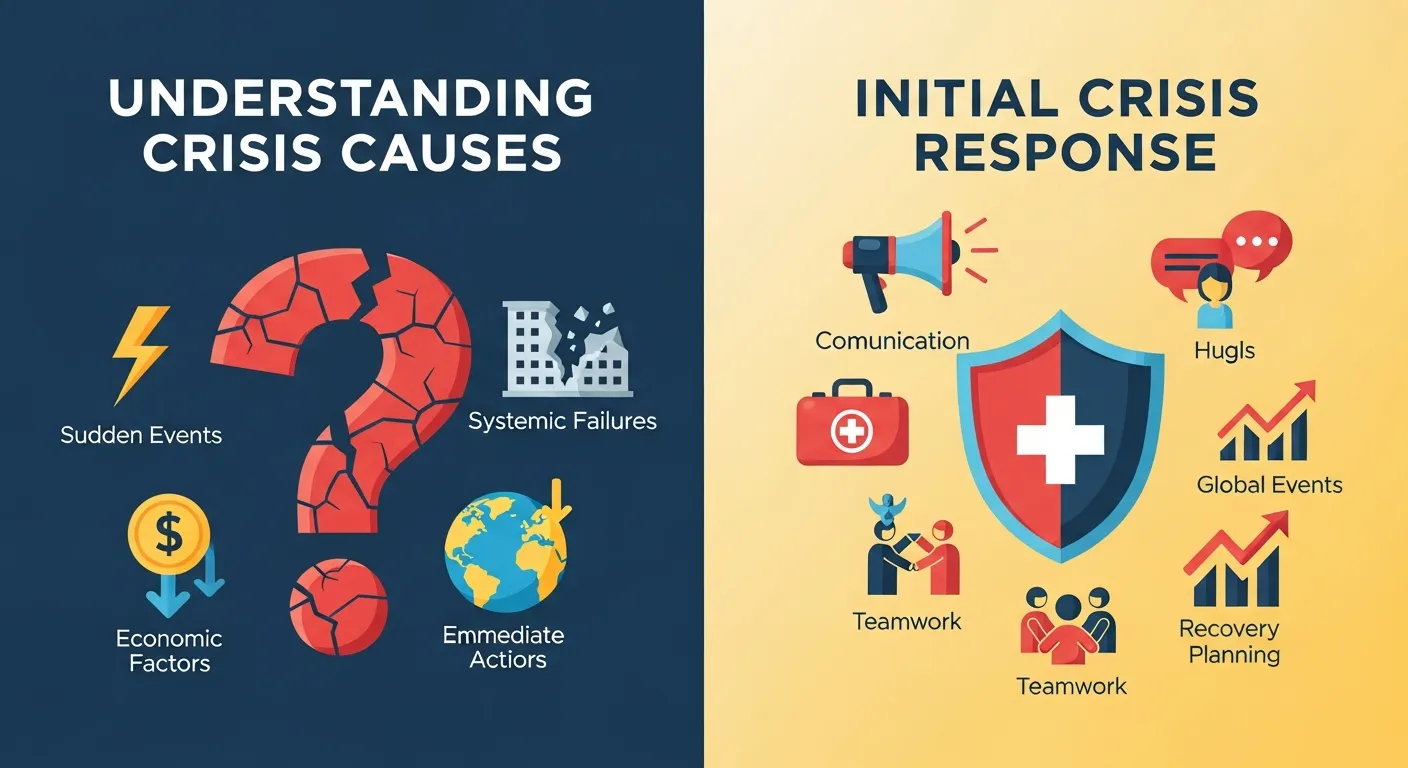
The foundation of any successful response begins with a deep understanding of the underlying crisis causes. You cannot effectively resolve an issue if you do not understand why the public is angry or how the situation escalated. A crisis must be tailored to the specific nature of the threat. For instance, the crisis response required for a data breach is vastly different from the response needed for an executive scandal. Identifying the root crisis causes quickly allows your team to formulate a response that is both accurate and empathetic.
When an SM crisis or a marketing crisis erupts, the initial crisis response sets the tone for the entire recovery process. The primary objective during this phase is to acknowledge the situation, validate public concerns, and demonstrate that you are actively investigating the crisis causes. Silence is the worst possible response. If you ignore the crisis causes, the public will assume you are either guilty or entirely incompetent. Therefore, an immediate, well-crafted response is non-negotiable for brand survival.
To effectively monitor public sentiment and track the root crisis causes during the early stages of an SM crisis, you need reliable analytics. Choose tracking tools for business success to ensure you have accurate data.
Key Elements of an Initial Crisis Response
- Speed and Acknowledgment: Launch your response within the first few hours of the incident to prevent rumors from filling the void.
- Fact-Gathering: Accurately identify the core crisis causes before making any definitive legal or operational claims.
- Empathetic Tone: Ensure your response focuses on the human impact of the marketing crisis rather than just corporate losses.
- Clear Action Steps: Tell the public exactly what you are doing to neutralize the crisis causes and prevent further damage.
- Designated Spokesperson: Appoint a single, trained leader to deliver the response to maintain message consistency.
Further Insights: The Importance of Listening
Listening to your customers during a crisis is critical. Not only should you monitor social media channels for complaints and trending topics, but you should also leverage direct outreach methods such as customer surveys and feedback forms. These channels will provide real-time insights into the biggest concerns and confusion points arising from the crisis. Companies with strong listening practices are often able to react with the empathy and speed that builds trust even before an official statement is released. Furthermore, documenting customer emotions and expectations creates a valuable playbook for responding to future incidents.
Common Crisis Causes and Initial Responses
|
Type of Crisis |
Primary Crisis Causes |
Immediate Response Action |
Goal of Crisis Response |
|---|---|---|---|
|
SM Crisis |
Viral customer complaints, offensive posts. |
Pause automated posts, issue a holding statement. |
Halt the spread of negative sentiment. |
|
Marketing Crisis |
Tone-deaf campaigns, false advertising. |
Pull the campaign, apologize for the oversight. |
Realign the brand with consumer values. |
|
Operational Crisis |
Product defects, supply chain failures. |
Announce a recall, explain the crisis causes. |
Ensure public safety and offer refunds. |
|
Security Crisis |
Data breaches, hacked databases. |
Notify users, explain the technical crisis causes. |
Protect consumer identities and secure data. |
Real-World Example: Speed as a Superpower
In the case of a major fast-food chain, an E. coli outbreak threatened to destroy the brand’s public image. The moment they detected a pattern in customer complaints, the company released a statement, closed impacted locations, and cooperated fully with investigators. Because their response was swift and honest, the temporary sales dip was offset by an eventual surge in customer trust and positive media coverage.
Formulating Your Marketing Crisis and SM Crisis Strategy
Once the initial response is deployed, your team must pivot toward a sustained marketing crisis strategy. An SM crisis rarely resolves itself in a single day. The secondary phase of your crisis response requires detailed planning, cross-departmental coordination, and a deep dive into the systemic crisis causes that allowed the issue to happen in the first place. Your marketing crisis strategy must balance the need for public transparency with the necessity of protecting the brand’s legal standing.
During a severe SM crisis, your customer service and marketing teams will be overwhelmed. A cohesive crisis response relies on everyone working from the same playbook. If your social media manager posts a defensive tweet while your CEO is issuing a heartfelt response apology, the mixed messaging will multiply the crisis causes and worsen the marketing crisis. Therefore, your response must include a centralized communication hub where all approved messaging is stored and updated in real-time.
Managing a complex marketing crisis requires excellent project management and team alignment. Explore this marketing tools software guide to keep your team synchronized.
Steps for a Sustained Crisis Response
- Develop an Action Plan: Your crisis response must outline the specific, measurable steps the company is taking to eliminate the crisis causes.
- Consistent Updates: Keep the public informed about your marketing crisis recovery progress, even if you do not have major news to share.
- Internal Alignment: Ensure every employee understands the official crisis response so they do not inadvertently leak conflicting information during the SM crisis.
- Platform-Specific Messaging: Tailor your response to fit the format and audience of each platform involved in the SM crisis.
- Legal Review: Work closely with legal counsel to ensure your crisis response admits fault where necessary without exposing the company to ruinous lawsuits.
Deepening Employee Involvement in the Response
Your employees are not just internal resources—they’re the frontline representatives of your brand during an SM crisis. Hold regular town halls and debriefs so staff are informed of response measures and feel empowered to share feedback, which helps fine-tune your communication strategy. Creating a safe space for employees to voice concerns and participate in brainstorming solutions solidifies morale and can even generate innovative response ideas. Don’t overlook the value of internal newsletters or secure chat platforms for keeping everyone in the loop.
Using Multi-Channel Strategies
An often-overlooked aspect of a successful crisis response is diversifying your communication channels. While social media offers speed, some stakeholders may respond better to direct emails, live webinars, phone hotlines, or in-person briefings. Adapt your messaging based on the medium, as a carefully scripted email might be more appropriate for investors while a social media update addresses the general public’s need for rapid information.
Media Relations and Influencer Engagement
Proactive engagement with journalists, bloggers, and key industry influencers during the crisis can help steer the wider narrative. Prepare media kits with approved Q&As, backgrounders, and fact sheets. Select brand ambassadors who are trained to speak confidently about ongoing recovery efforts, and monitor media sentiment continuously to adjust tactics on the fly.
Escalation Matrix for an SM Crisis
|
Escalation Level |
Indicators of Crisis Causes |
Required Crisis Response |
Team Involvement |
|---|---|---|---|
|
Level 1: Low |
Isolated complaints, minor SM crisis. |
Direct customer service reply, resolve privately. |
Social Media Manager |
|
Level 2: Medium |
Growing traction, minor marketing crisis. |
Public brand apology, pause scheduled content. |
PR Team, Marketing Director |
|
Level 3: High |
Viral outrage, media coverage of crisis causes. |
Official executive statement: halt all campaigns. |
CEO, Legal Counsel, PR Team |
|
Level 4: Severe |
Boycotts, stock drops, massive marketing crisis. |
Full media press conference, major structural changes. |
Board of Directors, Full C-Suite |
Case Study Highlight: Crisis Recovery in Action
Consider the rapid pivot of a luxury retailer after hackers breached their database. Their crisis response included halting all online transactions, posting a video apology from the CEO, and launching an identity protection program for affected customers. Regular progress updates were sent out across all platforms. Though the initial PR impact was severe, their decisive response and follow-through restored much of their customer base over the next year.
Executing and Measuring the Long-Term Response
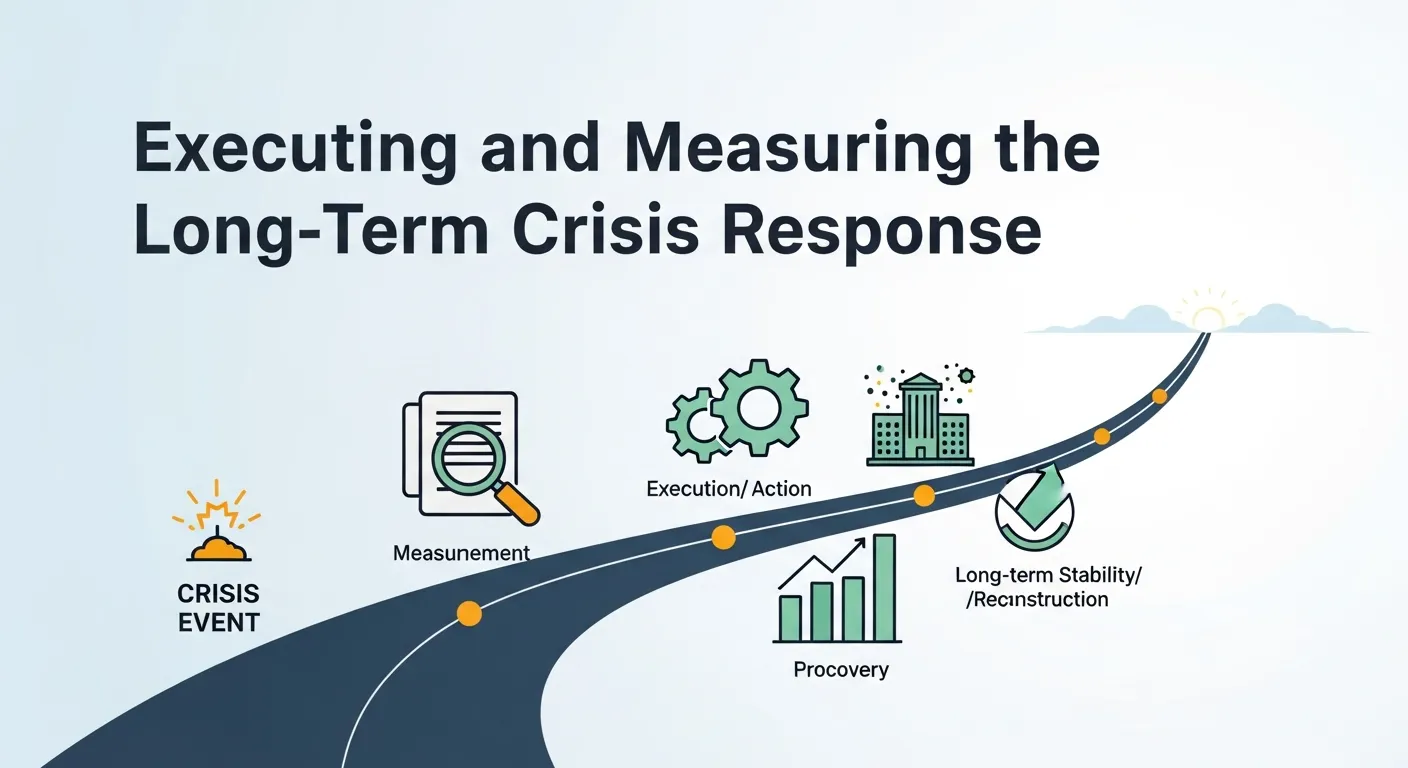
The final phase of a crisis response involves long-term recovery, rebuilding trust, and implementing permanent fixes to the original crisis causes. A marketing crisis or an SM crisis leaves a lasting digital footprint. Your long-term response must focus on burying that negative footprint with positive, value-driven actions. The best crisis response is one that fundamentally improves the business, proving to consumers that the company learned a valuable lesson from the marketing crisis.
Measuring the effectiveness of your response is crucial. You must track sentiment metrics, sales data, and brand mentions to determine if your SM crisis recovery efforts are working. If the data shows that consumers are still focused on the crisis causes, your response needs to be adjusted. You may need to launch a new, transparency-focused marketing crisis recovery campaign to show the ongoing improvements you are making.
During this recovery phase, maintaining your digital infrastructure is vital for sharing your long-term response updates. Boost your WordPress workflow with GPL tools to manage site updates smoothly.
Strategies for Long-Term Crisis Response Recovery
- Post-Mortem Analysis: Conduct a thorough review of the crisis causes and evaluate the effectiveness of your initial response.
- Policy Overhaul: Rewrite company guidelines to ensure the specific crisis causes that triggered the marketing crisis never happen again.
- Trust-Building Campaigns: Launch new initiatives that directly address the community’s concerns following the SM crisis.
- Continuous Monitoring: Keep a watchful eye on social media channels to catch any lingering resentment related to the marketing crisis.
- Stakeholder Reporting: Provide detailed reports to investors and partners outlining how the response successfully mitigated the crisis causes.
Emphasizing Storytelling and Community Impact
Your response doesn’t stop at resolving the immediate problem. Use storytelling techniques to highlight the individuals and teams who led the recovery. Share testimonials, behind-the-scenes content, or results from community outreach efforts. Humanizing the recovery journey allows your brand to connect emotionally with stakeholders and reinforce a narrative of resilience and renewal.
Measuring Success: Turning Data Into Lessons
Quantitative analysis is essential after a crisis. Track how negative mentions decline, measure net promoter scores, and survey employees to gauge internal morale. Use this data to identify which crisis response tactics worked best—and don’t be afraid to share these lessons with the broader business world, positioning your brand as a leader in crisis management thought leadership.
Long-Term Recovery Metrics
|
Metric Category |
What to Measure in YourResponse |
Indicator of a Resolved SM Crisis |
|---|---|---|
|
Brand Sentiment |
The ratio of positive to negative mentions. |
Sentiment returns to pre-marketing crisis levels. |
|
Sales Recovery |
Revenue trends following the crisis response. |
Steady growth and recovery of lost market share. |
|
Employee Retention |
Staff turnover related to the crisis causes. |
Stabilized workforce and improved internal morale. |
|
Customer Loyalty |
Repeat purchase rates and subscription renewals. |
Customers who left during the SM crisis return. |
Proactive Steps: Preparing for the Next Crisis
Ultimately, each crisis is a proving ground for your future readiness. Document every stage of your response. Build a knowledge base of case studies and internal debriefs, and invest in regular simulation exercises. This ensures the next response is even smoother, more transparent, and more impactful for all stakeholders.
Frequently Asked Questions (FAQ)
1. What is the most critical element of an initial crisis response?
The most critical element is speed combined with empathetic acknowledgment. You must address the crisis causes publicly before rumors take over. Learn more about managing a social media crisis to refine your initial strategy.
2. How do we identify the crisis causes quickly during an SM crisis?
You need to utilize social listening tools to trace the viral outrage back to its source. Monitoring keywords helps you pinpoint the exact marketing crisis trigger. Read the complete guide for digital media for advanced tracking techniques.
3. When should we involve traditional news outlets in our crisis response?
You should involve the press when the marketing crisis threatens massive financial loss or public safety. Releasing a formal press statement helps control the narrative. Understand what is media relations to manage reporters effectively.
4. How can we prevent an SM crisis from turning into a marketing crisis?
You must resolve customer complaints swiftly and transparently before they go viral. An effective response stops the escalation of minor crisis causes immediately.
5. Why is a generic apology a bad crisis response?
Generic apologies feel robotic and dismissive of the specific crisis causes. A strong crisis response requires genuine human empathy and a direct acknowledgment of the mistake.
6. Should the CEO always deliver the crisis response?
The CEO should only step in for a severe marketing crisis or when the crisis causes involve massive systemic failures. For a minor SM crisis, a brand-level apology is sufficient.
7. How long does a typical marketing crisis last?
The acute phase of an SM crisis usually lasts 24 to 72 hours if your crisis response is effective. However, rebuilding trust from the root crisis causes can take several months.
8. Is it a good idea to delete negative comments during an SM crisis?
No, deleting legitimate complaints worsens the marketing crisis and creates accusations of censorship. Your crisis response should address complaints openly and honestly.
9. How do we rebuild employee morale after a severe marketing crisis?
Keep your staff fully informed about the crisis causes and your ongoing crisis response efforts. Internal transparency ensures employees feel secure and aligned with the brand’s recovery.
10. Can an effective crisis response actually improve brand reputation?
Yes. If your response is exceptionally transparent and effectively neutralizes the crisis causes, consumers will respect your accountability, often emerging from the SM crisis with higher brand loyalty.


I’m a passionate digital strategist and content creator focused on crisis communication, social media management, and online reputation. At SMCrisis, I share insights, tips, and real-world strategies to help brands navigate challenges, protect their image, and build trust in the digital space. My goal is to make crisis management simple, smart, and actionable for every business.









No Comments