


Social platforms offer powerful opportunities for deep customer engagement and massive brand visibility. However, this level of access comes with significant, unavoidable risks. A single corporate misstep can escalate rapidly into a full-blown emergency, severely threatening your brand’s hard-earned reputation. You must understand how to navigate these turbulent waters to protect your business assets.
This comprehensive blog examines a highly notable crisis case study to uncover exactly what went wrong. We will explore the vital lessons every business can learn to mitigate damage and recover from similar situations. By studying these real-world failures, you can master social media crisis management and build a highly resilient organization.
The Reality of a Social Media Crisis
A social media crisis represents a critical turning point for any modern brand. These events involve highly visible, rapidly spreading negative sentiment that directly threatens your financial standing and public trust. Unlike standard customer complaints, a social media crisis demands immediate, coordinated action from your entire leadership team.
To execute proper social media crisis management, you must first understand the mechanics of online outrage. When controversial content drops, algorithms detect the sudden spike in engagement and push the content to wider audiences. People naturally share anger and outrage much faster than they share positive news. This algorithmic amplification turns a localized mistake into a global news story within hours.
Sometimes, competitors deliberately weaponize this outrage. Understanding how malicious actors leverage public sentiment is a critical part of social media crisis management. You can improve your defensive strategies by learning about what is negative marketing and how it shapes public perception. This knowledge helps you identify coordinated attacks against your brand.
Standard Complaint vs. Social Media Crisis
|
Characteristic |
Standard Customer Complaint |
Social Media Crisis |
|---|---|---|
|
Origin Point |
A single unhappy customer |
A controversial post, leaked video, or major failure |
|
Velocity |
Slow, contained to a single thread |
Lightning-fast, spreading across multiple networks |
|
Audience Reach |
Just the customer and support team |
Millions of users, influencers, and major news outlets |
|
Business Impact |
Minimal threat to overall operations |
Severe threat to stock prices, sales, and brand survival |
|
Required Action |
Basic customer service protocols |
Immediate social media crisis management deployment |
The Crisis Case Study at a Glance: Pepsi’s 2017 Misstep
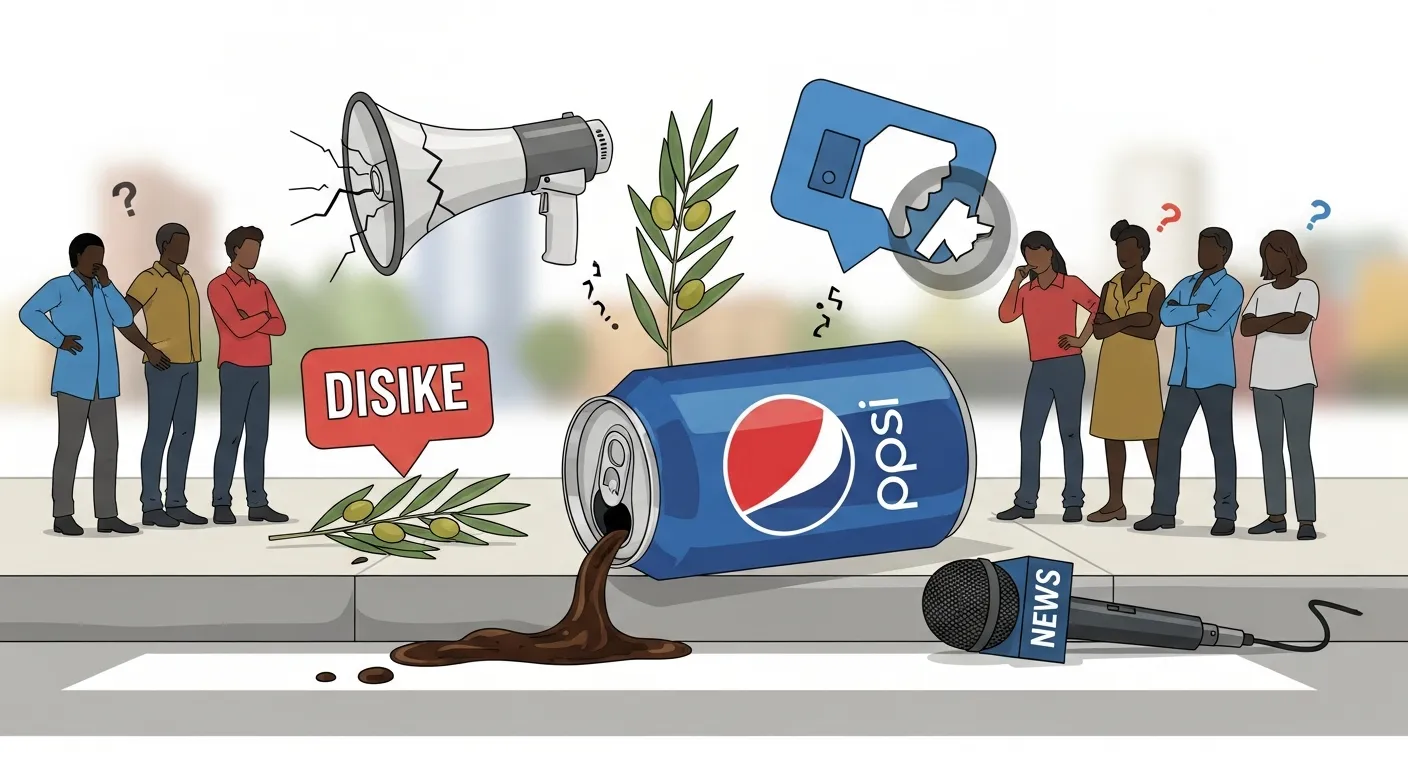
To truly master social media crisis management, we must analyze a highly publicized, catastrophic failure. In 2017, Pepsi released an advertisement featuring model Kendall Jenner. The campaign aimed to project a universal message of global unity and peace. Instead, it became one of the most infamous public relations disasters of the entire decade.
The advertisement depicted a highly sanitized, generic protest march. At the climax of the video, Jenner hands a can of Pepsi to a stoic police officer. The officer drinks it, the crowd erupts in cheers, and all apparent tension instantly vanishes. The public immediately and aggressively condemned the commercial across every digital platform.
Viewers accused the brand of trivializing serious social justice movements, specifically Black Lives Matter, merely to sell soda. Within hours, public backlash exploded online. This event serves as a perfect crisis case study because it demonstrates how a massive budget cannot save a campaign that lacks basic cultural awareness.
Examining the Immediate Impact
The outrage spanned hundreds of thousands of tweets, angry Facebook posts, and scathing international news coverage. Influencers, activists, and everyday consumers united to mock the brand. The sheer volume of the backlash forced the company into an immediate, high-stakes social media crisis management scenario.
Pepsi faced accusations of being entirely tone-deaf and capitalizing on serious societal issues for corporate profit. The brand’s credibility plummeted overnight. This crisis case study illustrates how quickly public favor can turn when a brand misjudges the emotional climate of its audience.
Unpacking the Crisis: What Went Wrong
When we analyze this social media crisis, several severe internal failures become blatantly apparent. Excellent social media crisis management requires understanding these specific failures so your organization never repeats them. A brand does not accidentally launch a global disaster; it happens through a series of poor internal decisions.
Tone-Deaf Messaging
The advertisement entirely missed the mark regarding tone and context. By attempting to represent unity and peace through a highly commercialized lens, the brand appeared to mock the dangerous struggles of actual activists. Effective social media crisis management requires deep empathy, which this campaign completely lacked. The messaging alienated the exact demographic it attempted to engage.
Lack of Diverse Input
Industry reports strongly suggested that the internal team responsible for the ad lacked diverse representation. This critical lack of perspective led to a massive disconnect between the brand and the public. No one in the creative room recognized how marginalized communities would actually perceive the advertisement. Diversity is not just a metric; it is a vital shield in social media crisis management.
Failure to Test the Campaign
Brands must test culturally sensitive campaigns with rigorous oversight. If this ad underwent any traditional focus group testing, leadership clearly ignored the glaring warning signs. Launching untested, highly sensitive material practically guarantees a social media crisis. You cannot assume your internal intentions match the external public perception.
For instances where brands intentionally lean into controversial territory, you can review real examples of negative marketing that nailed it. However, using intentional controversy requires master-level social media crisis management skills and intense audience testing.
Why the Backlash Spread Quickly

The inherently viral nature of digital platforms acts as a massive accelerator during a social media crisis. Your brand’s worst moments become highly shareable entertainment for the public. Activists and influential figures openly rejected the ad on Twitter, sparking massive, sustained trending hashtags.
Users created thousands of memes mocking the brand’s tone-deaf approach to protests. Every new meme generated another wave of engagement, keeping the social media crisis at the top of the trending charts. In social media crisis management, you must understand that algorithms reward high engagement, regardless of whether the sentiment is positive or negative.
Furthermore, competitors capitalized on the misstep by staying completely silent. They allowed the internet to tear their rival apart without interference. When outrage goes viral, the speed of the backlash strips you of any control. You move instantly from standard marketing into emergency social media crisis management.
Pepsi’s Crisis Management Response
When facing a catastrophic social media crisis, your response dictates your ultimate survival. While the initial campaign was an unmitigated disaster, we can learn valuable lessons from the company’s subsequent social media crisis management execution. They followed several critical steps to stop the bleeding.
Step 1: Swift Action and Content Removal
Credit belongs where credit is due. The brand recognized the severity of its massive mistake almost immediately. They did not double down, attempt to argue with the angry public, or defend their artistic vision. Instead, they pulled the advertisement entirely from all platforms and television networks within 24 hours of the initial backlash.
In social media crisis management, absolute speed remains your greatest asset. Stopping the source of the bleeding prevents further algorithmic amplification. You cannot begin the healing process while the offensive content continues to circulate and generate new anger.
Step 2: Owning Up to the Mistake
Following the swift removal of the ad, the company issued a brief, direct public apology. Their official statement acknowledged the hurt the campaign caused and clarified that their original intent was never to trivialize serious issues. They apologized directly to the public and to Kendall Jenner for putting her in that position.
While short, the apology successfully avoided a defensive, argumentative tone. They owned the misstep entirely, which represents a foundational rule of effective social media crisis management. Defensiveness during a social media crisis only fuels the public’s desire to attack your brand further.
Step 3: Revisiting Internal Processes
Though the specific actions taken behind closed doors remain private, a crisis case study of this magnitude forces immediate corporate change. We can reasonably assume the massive controversy led to complete overhauls in their marketing approval processes.
To prevent a future social media crisis, the brand likely implemented strict diversity checks and culturally sensitive focus groups. True social media crisis management does not end when the public stops yelling. It ends when you permanently fix the internal broken processes that caused the disaster.
Core Lessons in Social Media Crisis Management
Whether you run a global, publicly traded corporation or a local boutique business, you must extract actionable insights from every crisis case study. Here are the core lessons in social media crisis management you must aggressively apply to your own digital marketing organization.
1. Understand Your Audience Deeply
Misunderstanding or oversimplifying the deep values of your audience causes irreparable brand damage. You must conduct thorough, ongoing market research to ensure your content always aligns with their core beliefs. Gather active, honest input from diverse voices during your creative process. Ensuring strict cultural, gender, and social sensitivity prevents a massive social media crisis from ever leaving the drafting room.
2. Test Your Campaigns Rigorously
Before you publish any major campaign, put it through intense, unbiased scrutiny. Test your messaging on diverse focus groups and solicit brutally honest feedback. Facing minor, private criticism during a testing phase is infinitely better than facing a catastrophic social media crisis on the global stage. If your test group expresses discomfort, cancel the campaign immediately.
3. Respond Quickly and Transparently
During a social media crisis, hesitation looks exactly like guilt. Speed matters immensely to your audience. Responding swiftly and clearly shows your customers that you are listening carefully and are deeply invested in resolving the issue. A delayed response allows wild rumors and anger to fill the communication void, making your social media crisis management efforts much harder.
4. Apologize Authentically
If your organization causes a social media crisis, avoid canned, generic corporate apologies. Address the specific, unique concerns raised by your audience directly. Acknowledge your exact misstep without making hollow excuses. Sincerity in your written response matters just as much as the corrective actions you take afterward.
5. Learn from Every Single Mistake
Every social media crisis provides a vital, albeit painful, opportunity to improve your business operations. Use the experience to strictly reevaluate your internal processes. Strengthen your approval workflows and ensure your team possesses the right tools to handle future issues. A great crisis case study teaches you how to build a much stronger, more resilient marketing department.
How to Prepare Your Business for a Social Media Crisis

Hope is never a valid business strategy. You must build a robust social media crisis management framework long before disaster strikes. Preparation separates the brands that survive a crisis case study from those that vanish entirely from the market.
Have a Dedicated Crisis Management Plan
A comprehensive plan serves as your ultimate playbook during a social media crisis. Your documentation must identify dedicated response teams, establish a clear chain of communication, and mandate strict response timelines. When public outrage peaks, your team needs clear, actionable instructions, not a frantic brainstorming meeting.
Your social media crisis management plan must outline exactly who possesses the authority to publish official statements. It should also include pre-approved message templates for various emergency scenarios. This level of intense preparation saves crucial minutes when a social media crisis breaks out.
Monitor Conversations Proactively
Invest heavily in advanced social listening tools to track your digital reputation. Early detection of rising negative sentiment allows you to extinguish a small fire before it becomes a raging social media crisis. Track your brand mentions, monitor competitor chatter, and watch industry hashtags constantly.
Your social media crisis management team must set up automated alerts for sudden spikes in negative keywords. If your brand normally receives fifty mentions a day, and suddenly receives five thousand within an hour, your team needs an immediate mobile alert. Proactive monitoring defines professional social media crisis management.
Train Your Team Regularly
Conduct regular, rigorous training sessions to help your team handle online controversies with professional poise. Use real-world scenarios from a known crisis case study to test their actual reflexes under pressure. Ensure your frontline customer service representatives know exactly when to escalate an issue.
Run tabletop exercises where you simulate a massive social media crisis. Time your team to see how quickly they can draft an approved holding statement. This strict preparation guarantees a calm, highly organized response when a real social media crisis strikes your brand.
Communicate Internally First
Ensure every single employee deeply understands your social media crisis management strategy. Consistent, unified internal communication prevents conflicting messages from leaking to the public. If your own team does not know the official corporate stance, they might inadvertently worsen the social media crisis by posting on their personal accounts.
Send a company-wide internal memo the moment a social media crisis begins. Instruct employees not to engage with angry commenters or journalists. Channel all external communication through your highly trained social media crisis management team.
Partner with Crisis Experts
An experienced public relations or social media crisis management agency acts as an invaluable asset during times of severe turbulence. These specialized experts understand exactly how to steer your brand toward full recovery. They offer an objective, unemotional perspective that internal leadership often lacks during a massive social media crisis.
Retaining a crisis case study expert before you need them ensures you have immediate support when disaster strikes. They will audit your existing social media crisis management protocols and identify dangerous vulnerabilities. Partnering with professionals significantly reduces the long-term financial impact of a social media crisis.
Build Trust Even Amid Crisis
This crisis case study illustrates exactly how quickly a brand can fall completely out of public favor. However, it also underscores the massive importance of honest corporate introspection. By responding quickly and genuinely, brands can begin to successfully rebuild credibility and regain public trust.
Social media acts as a highly powerful tool for modern businesses. Handle it poorly, and it will viciously amplify your smallest mistake into a permanent record. Handle it strategically, and it becomes an incredible engine for massive growth, deep loyalty, and enthusiastic customer advocacy.
Effective social media crisis management goes far beyond simple damage control. It builds long-term flexibility and incredible brand resilience. Focus heavily on building deeply authentic relationships with your core audience. When people trust your brand inherently, they will gladly give you the benefit of the doubt during a social media crisis.
Start building your official social media crisis management infrastructure today. Assemble your core team, draft your response protocols, and begin running realistic crisis case study simulations. Proactive investment in social media crisis management pays massive dividends when you eventually face your worst day online.
Frequently Asked Questions (FAQ)
1. What is the absolute first step in social media crisis management?
The first step is pausing all scheduled promotional posts to ensure you do not appear tone-deaf to the situation. Immediately gather your core social media crisis management team to assess the exact scope of the damage. You must then issue a brief holding statement acknowledging the issue.
2. How do we know if our corporate accounts were hacked during a crisis?
If highly uncharacteristic, offensive messages are suddenly broadcast from your official profiles, you likely suffered a breach. Your team must immediately lock down access and revoke third-party permissions. Reviewing protocols for a social media security breach helps you regain control swiftly and securely.
3. Should we ever delete angry comments during a social media crisis?
You must never delete negative comments unless they contain severe profanity, hate speech, or direct physical threats. Deleting valid, albeit angry, criticism makes your brand look incredibly guilty and highly defensive. Excellent social media crisis management requires addressing the public’s anger head-on with complete transparency.
4. How fast should a brand respond to a breaking social media crisis?
Brands must issue an initial, empathetic holding statement within the first sixty minutes of the crisis breaking online. A detailed, highly comprehensive response should follow within the first 24 hours. Speed demonstrates serious accountability and prevents wild rumors from filling the communication void.
5. Who exactly should be on a social media crisis management team?
A highly effective team requires a designated crisis manager, a public relations expert, a senior social media specialist, and legal counsel. This diverse structure ensures your official response remains legally safe, highly empathetic, and technically sound. Everyone must know their exact role long before a social media crisis happens.
6. How can we align our digital strategy to prevent these severe events?
Prevention requires aligning your marketing, customer service, and PR departments under one unified, strict communication standard. Implementing a complete guide for digital media strategy helps you establish foundational safety and brand voice protocols. A unified approach stops insensitive, risky content before it ever goes live.
7. When is a social media crisis considered officially over?
A social media crisis is officially stabilized when online sentiment metrics finally return to their pre-crisis baseline levels. You will notice a sharp, sustained decline in angry brand mentions and a return to standard product engagement. However, internal social media crisis management monitoring must continue long after the viral metrics drop.
8. Why is active voice important in crisis management responses?
Using active voice demonstrates extreme accountability and direct, unflinching ownership of the specific problem. Saying “We made a massive mistake” sounds infinitely more powerful and genuine than saying “A mistake was made.” Passive voice sounds evasive and further frustrates an already angry digital audience.
9. How do we issue an official statement outside of social media platforms?
While you must post apologies directly to your social channels, formalizing your stance through traditional media is equally critical. Learning how to write an effective press release ensures journalists quote your exact words accurately. This action solidifies your narrative across traditional media networks.
10. Can a brand recover fully from a massive crisis case study event?
Yes, brands can and do recover fully from a severe social media crisis if they execute the right strategies. True recovery requires consistently delivering on your promises, making systemic internal changes, and acting with total transparency. It takes significant time, but consistent ethical behavior eventually rebuilds community trust.


I’m a passionate digital strategist and content creator focused on crisis communication, social media management, and online reputation. At SMCrisis, I share insights, tips, and real-world strategies to help brands navigate challenges, protect their image, and build trust in the digital space. My goal is to make crisis management simple, smart, and actionable for every business.








No Comments