


Strong Social Media Policies help prevent costly brand crises by guiding employee behavior, ensuring compliance, and enabling fast responses. This guide explains crisis causes, policy creation, and enforcement strategies to protect your brand reputation effectively.
Digital communication moves at lightning speed, and one poorly timed post can spiral into a full-blown emergency within hours. Companies across all industries learn this lesson the hard way—from insensitive tweets during national tragedies to employees sharing confidential information on personal accounts. The good news is that most of these disasters are entirely preventable if you establish the right Social Media Policies.
A well-crafted set of Social Media Policies serves as your organization’s first line of defense against reputational damage, legal issues, and internal confusion. When you understand the root crisis causes, you can stop a marketing crisis before it even begins. This comprehensive guide walks you through creating robust Social Media Policies that protect your brand while empowering your team to engage authentically online.
You will learn how to identify common crisis causes, navigate the treacherous waters of a marketing crisis, and deploy Social Media Policies that keep your company safe from an unexpected SM crisis.
Understanding the Root Crisis Causes and Risks
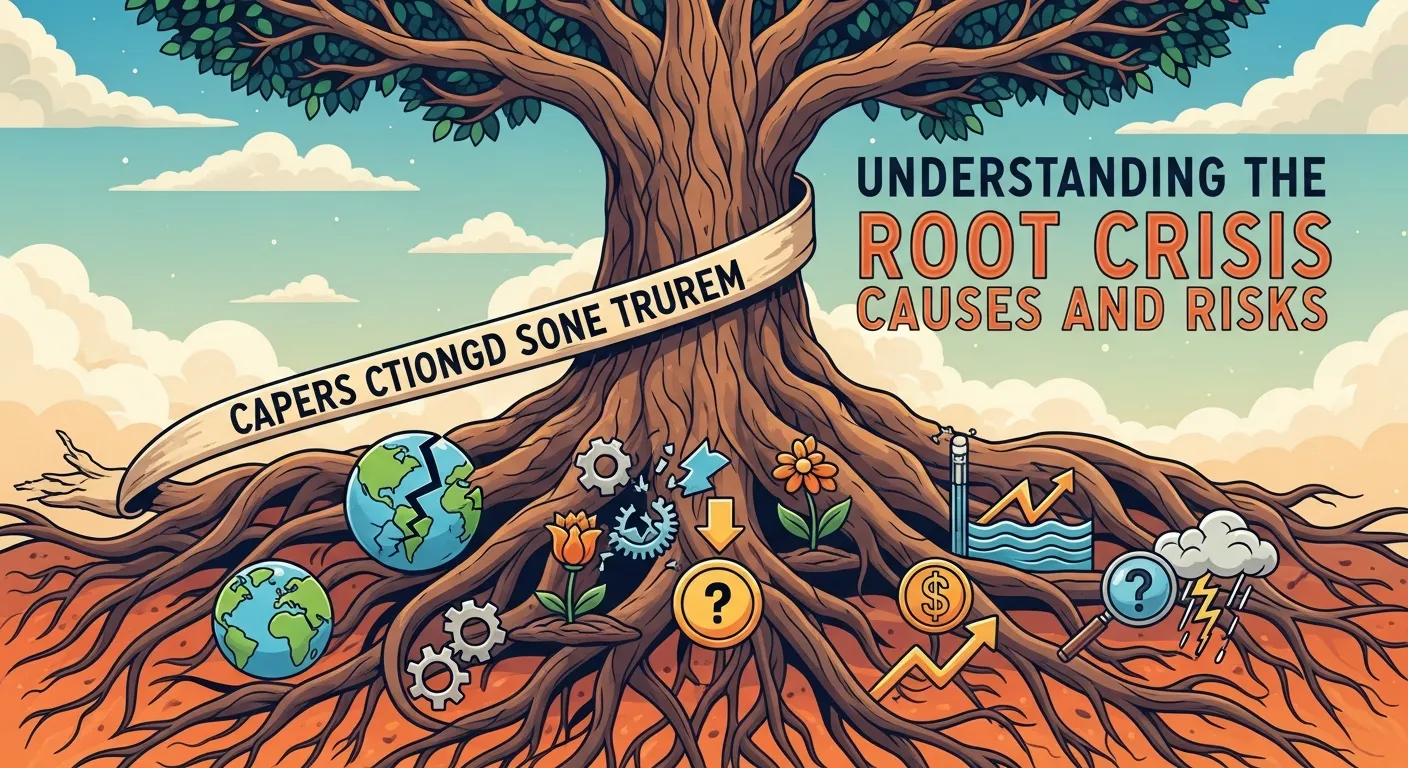
Before diving into policy creation, you must understand the various ways digital platforms create problems for your organization. These risks fall into several distinct categories. Identifying these crisis causes helps you build Social Media Policies that actually work. Every SM crisis starts somewhere, and recognizing the early warning signs can save your company millions of dollars in lost revenue and brand equity.
Your brand reputation faces constant threats online. Tone-deaf posts that seem insensitive to current events alienate customers and generate negative press coverage. Inconsistent messaging across platforms confuses audiences and weakens your overall brand identity. Even well-intentioned posts easily backfire if the public misinterprets them or takes them out of context. Customer complaints that go unaddressed or receive poor handling in public forums escalate quickly. When users see your company ignoring concerns, it creates a negative perception that fuels the underlying crisis causes.
Legal and compliance issues represent another massive area of concern. Social Media Policies must address how employees unknowingly share confidential information or violate copyright laws. A simple unauthorized image can trigger a marketing crisis. Companies in regulated industries face even stricter hurdles. Healthcare organizations must follow HIPAA requirements, while financial firms must adhere to SEC guidelines. Failing to respect these laws accelerates crisis causes and leads to an immediate SM crisis.
Internal security risks also threaten your organization. Employees inadvertently share sensitive information about upcoming projects, reveal office locations, or fall victim to social engineering attacks. Your Social Media Policies must strictly prohibit location-based posts that reveal when key personnel travel. Photos and videos often accidentally capture sensitive information in the background, like computer screens or confidential documents, creating the perfect storm for an SM crisis.
Key Factors Fueling an SM Crisis
- Lack of Oversight: Without clear Social Media Policies, employees post whatever they want, leading to an immediate marketing crisis.
- Poor Training: If teams do not understand the crisis causes, they cannot prevent an SM crisis from occurring.
- Delayed Responses: Waiting too long to address a customer complaint turns a minor issue into a major marketing crisis.
- Inconsistent Messaging: When different departments post conflicting information, they multiply the crisis causes.
- Security Breaches: Accidental leaks of private data bypass Social Media Policies and ignite a massive SM crisis.
Common Crisis Causes and Impacts
|
Crisis Category |
Examples of Crisis Causes |
Resulting SM Crisis Impact |
Role of Social Media Policies |
|---|---|---|---|
|
Reputational |
Tone-deaf jokes, offensive employee tweets |
Loss of followers, viral boycotts |
Dictate acceptable brand tone and values |
|
Legal/Compliance |
Leaked financial data, copyright infringement |
Lawsuits, heavy regulatory fines |
Enforce strict data protection rules |
|
Operational |
Hacked official accounts, rogue ex-employees |
Widespread confusion, marketing crisis |
Mandate secure password management |
|
Customer Service |
Ignored public complaints, rude replies |
Damaged trust, negative reviews |
Establish response time protocols |
Building Core Social Media Policies to Stop a Marketing Crisis
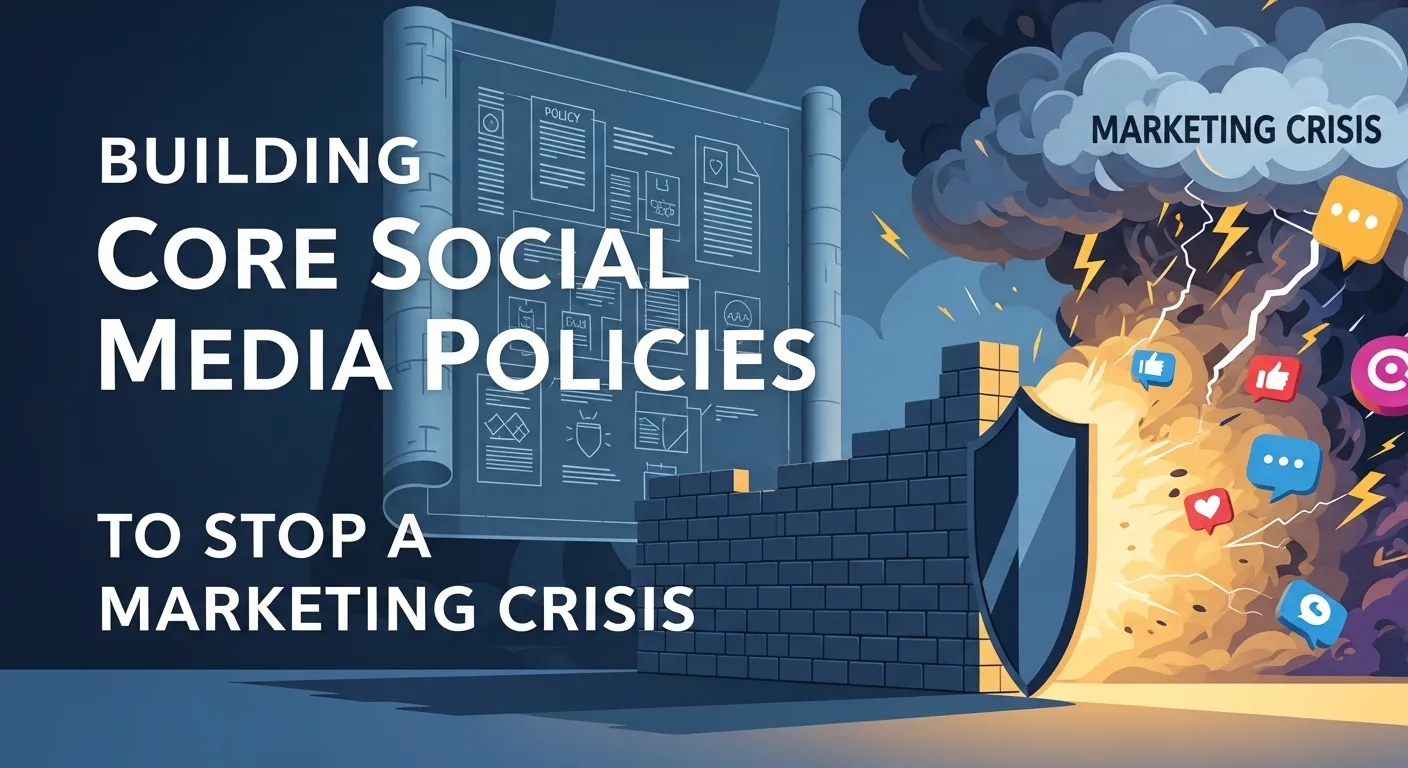
Effective Social Media Policies address both official company accounts and personal employee usage. They must remain comprehensive enough to cover various scenarios while staying practical for daily implementation. Building these Social Media Policies is the most effective way to neutralize crisis causes before they evolve into a severe marketing crisis. You need clear guidelines, streamlined approval processes, and specialized rules for different platforms.
Clear guidelines for managing official company accounts prevent internal confusion. Designate specific individuals authorized to post on behalf of the company. Establish a clear chain of command for approvals. You need separate protocols for different types of content. Routine posts about company news require only basic approval. However, posts addressing sensitive topics must go through senior leadership to avoid a marketing crisis. Implementing a content calendar balances planned content with timely responses. To manage this effectively, you might explore tools to boost WordPress workflow.
Many crisis causes originate from employees’ personal accounts. This makes it essential to provide clear guidance on personal usage within your Social Media Policies. Employees must understand when their personal posts reflect on the company. Establish rules for employees who list their workplace in their bios. They must know they act as brand representatives. Provide specific examples of appropriate versus inappropriate posting to prevent an SM crisis. It is essential to choose tracking tools for business success.
Develop streamlined approval processes that do not hinder real-time conversations. Create approval levels based on content type, risk level, and platform. High-risk content requires multiple levels of legal and senior leadership review. Document your approval process clearly within your Social Media Policies and train all relevant staff. Include backup approval authority for times when primary approvers take time off. Review this marketing tools software guide to stay organized.
Crucial Elements of Social Media Policies
- Account Management Guidelines: Define exactly who holds the keys to official accounts to prevent a marketing crisis.
- Personal Use Boundaries: Clarify what employees can and cannot say about the company online to limit crisis causes.
- Content Approval Workflows: Map out the exact steps a post takes before going live to avoid an SM crisis.
- Platform-Specific Rules: Tailor your Social Media Policies to address the unique risks of platforms like LinkedIn, TikTok, and X.
- Confidentiality Clauses: Explicitly ban the sharing of internal documents, client lists, or unreleased product designs.
Policy Framework and Approval Matrix
|
Content Risk Level |
Examples |
Required Approvals |
Crisis Causes Mitigated |
|---|---|---|---|
|
Low Risk |
Daily industry news, office culture photos |
Social Media Manager |
Prevents off-brand messaging |
|
Medium Risk |
Product launches, event announcements |
Marketing Director |
Avoids a minor marketing crisis |
|
High Risk |
Statements on social issues, legal updates |
Legal Team, C-Suite |
Prevents a major SM crisis |
|
Critical Risk |
Apologies, responses to viral backlash |
CEO, PR Agency |
Controls existing crisis causes |
Training, Enforcement, and Surviving an SM Crisis
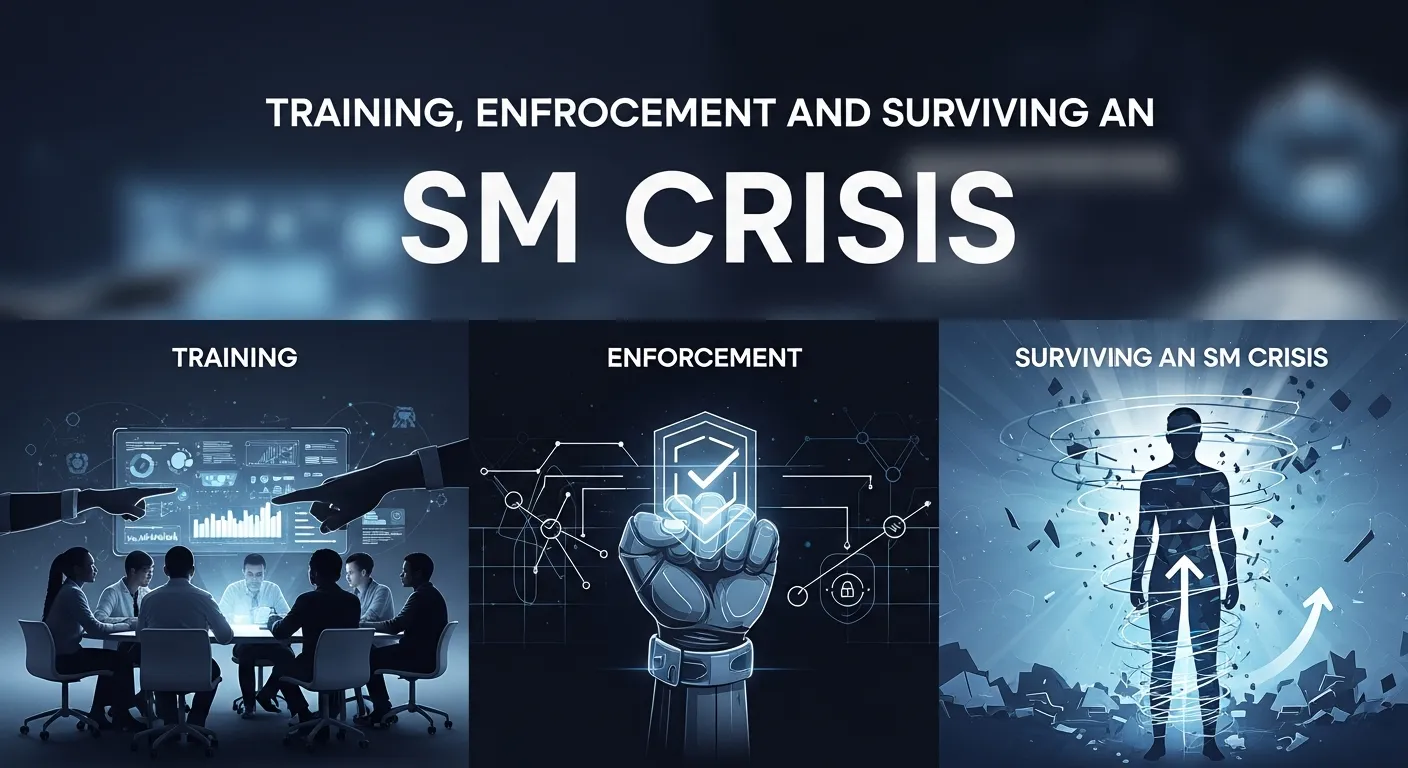
Having comprehensive Social Media Policies is only the first step. Successful implementation requires ongoing training, clear communication, and regular updates. The digital landscape evolves daily. Your Social Media Policies must adapt to keep pace with new crisis causes. Without proper enforcement, even the best Social Media Policies will fail to prevent a marketing crisis or a devastating SM crisis.
Develop employee education programs that go beyond simply handing out a document. Use real-world case studies to illustrate the principles behind your Social Media Policies. This helps employees understand the exact crisis causes that lead to an SM crisis. Create different training modules for different roles. Social Media managers need comprehensive training on all aspects of your Social Media Policies. General employees need focused training on personal account guidelines and confidentiality requirements. Make the training interactive to ensure the rules stick.
Social platforms change constantly, and your Social Media Policies must reflect these changes. Establish a regular review schedule to update your Social Media Policies based on new features and shifting regulations. Create a system for communicating these updates to your staff. Monitor industry trends to identify new crisis causes before they hit your company. Despite your best preventive efforts, an SM crisis might still occur. Develop clear protocols for identifying, escalating, and responding to a marketing crisis quickly.
Create a dedicated crisis response team with clearly defined roles. Ensure team members hold the authority to act quickly when an SM crisis develops. Establish communication channels that function outside of normal business hours, because crisis causes do not wait for the weekend to end. Finally, effective Social Media Policies require ongoing monitoring and consistent enforcement. Use monitoring tools to track mentions of your company and key personnel. Develop clear consequences for policy violations and apply them consistently to protect your brand from a marketing crisis.
Strategies for Enforcing Social Media Policies
- Interactive Training Workshops: Host quarterly sessions to review new crisis causes and update teams on Social Media Policies.
- Role-Specific Education: Train executives differently than entry-level staff, as their actions carry different weights during a marketing crisis.
- Active Social Listening: Use software to monitor brand mentions, catching an SM crisis in its infancy.
- Graduated Disciplinary Actions: Establish clear penalties for employees who violate the Social Media Policies.
- Post-Mortem Reviews: After any marketing crisis, review the crisis causes and update your Social Media Policies accordingly.
Enforcement and Monitoring Metrics
|
Monitoring Focus |
Tools Used |
Warning Signs of an SM Crisis |
Action Required by Social Media Policies |
|---|---|---|---|
|
Brand Mentions |
Social listening software |
Sudden spike in negative sentiment |
Alert the crisis response team immediately |
|
Employee Posts |
Manual spot-checks |
Unauthorized disclosure of secure data |
Issue a warning and request content removal |
|
Competitor Activity |
Competitor analysis tools |
Competitor suffers a marketing crisis |
Review internal Social Media Policies for similar gaps |
|
Customer Sentiment |
Helpdesk integrations |
Repeated complaints about one specific issue |
Address the root crisis causes publicly |
Frequently Asked Questions (FAQ)
What are the primary goals of establishing Social Media Policies?
The primary goals are to protect brand reputation, ensure legal compliance, and provide clear guidelines to employees. Effective Social Media Policies eliminate confusion and significantly reduce the common crisis causes that lead to an SM crisis.
How do Social Media Policies prevent a marketing crisis?
They prevent a marketing crisis by establishing strict content approval workflows and defining your brand’s acceptable tone.
Learn about managing a social media crisis to strengthen your policies further.
Can an SM crisis occur even with good Social Media Policies in place?
Yes, an SM crisis can still happen due to external factors or unpredictable human error. However, robust Social Media Policies ensure your team knows exactly how to respond, minimizing the damage from these crisis causes.
What should we include in the personal use section of our Social Media Policies?
You must clarify that employees represent the brand if they list the company in their bio.
Read the complete guide for digital media to understand employee advocacy boundaries.
How often should we update our Social Media Policies?
You should review and update your Social Media Policies at least once a year. You should also update them immediately following a marketing crisis or whenever a major new social platform emerges.
Who should be involved in drafting our Social Media Policies?
Drafting Social Media Policies requires collaboration between marketing, legal, human resources, and senior leadership. This cross-functional approach ensures all potential crisis causes are properly addressed.
How do we handle public complaints to avoid an SM crisis?
Your Social Media Policies should dictate a fast, empathetic response time for all public complaints.
Understand what is media relations to handle angry customers like a PR professional.
Should Social Media Policies restrict employees from posting entirely?
No, overly restrictive Social Media Policies harm employee morale and stifle organic brand advocacy. Instead of banning posts, focus on educating your team about crisis causes and responsible digital behavior.
What is the first step when a marketing crisis breaks out?
The first step is to pause all scheduled outgoing content to avoid appearing tone-deaf. Refer to the crisis response section of your Social Media Policies to activate your designated response team.
How do we measure the effectiveness of our Social Media Policies?
You measure their effectiveness by tracking the reduction in minor brand infractions and monitoring employee compliance. Fewer instances of risky posts mean your team understands the crisis causes and respects the guidelines.


I’m a passionate digital strategist and content creator focused on crisis communication, social media management, and online reputation. At SMCrisis, I share insights, tips, and real-world strategies to help brands navigate challenges, protect their image, and build trust in the digital space. My goal is to make crisis management simple, smart, and actionable for every business.











No Comments