



Influencer Relation focuses on building authentic partnerships with creators to drive trust, engagement, and conversions. This guide covers strategies, challenges, and success metrics while showing how strong relationships help brands prevent and manage social media crises effectively.
Influencer Relation has evolved from a simple marketing buzzword into a vital strategic business discipline. Unlike traditional advertising, this approach focuses entirely on building highly authentic partnerships with content creators. These creators genuinely connect with your target audience, driving real business results and brand loyalty.
This comprehensive guide explores everything you need to know about Influencer Relation. We will cover basic definitions, advanced partnership strategies, and how a strong Influencer Relation program helps your brand navigate a potential social media crisis. You will learn how to build meaningful partnerships, analyze a crisis case study, and achieve measurable marketing success.
Understanding Influencer Relation
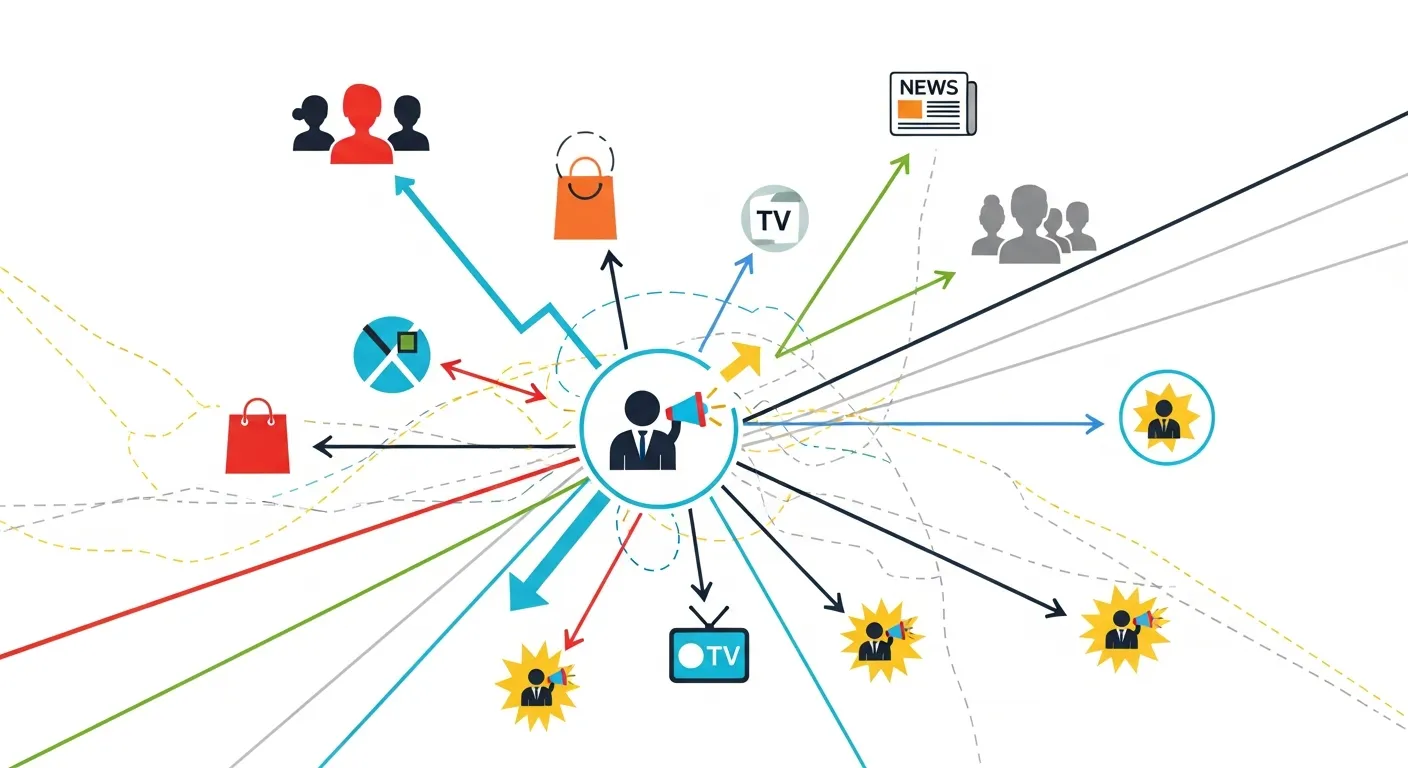
Influencer Relation is the strategic practice of identifying, connecting with, and nurturing relationships with influential content creators. These creators can authentically promote your brand to their highly engaged audiences. This specific discipline goes far beyond simple transactional partnerships. It creates long-term collaborations that benefit both the brands and the influencers involved.
The core foundation of successful Influencer Relation lies in understanding that influencers are not just standard marketing channels. They are dynamic content creators with unique voices, highly engaged communities, and established personal brands. Effective Influencer Relation treats these dedicated creators as highly valuable business partners rather than cheap advertising space.
Additionally, managing Influencer Relation requires brands to understand and respect each creator’s preferred style and unique value proposition. When brands expect influencers to become mere billboards, they risk backlash and disengagement not just from the influencer but also their audience—which is how a small misstep can balloon into a social media crisis. Read more about the definition of influencer relations
Modern Influencer Relation encompasses various partnership types. These range from product collaborations and sponsored content to brand ambassadorships and co-created campaigns. The key to success involves perfectly matching the right influencer with the exact right brand message and audience.
Influencer Relation Versus Influencer Marketing
A critical distinction between influencer marketing and Influencer Relation is the depth of connection and intention behind the partnership. Influencer marketing can be as simple as paying for a single post, but Influencer Relation takes a more holistic, enduring approach, nurturing loyalty, creativity, and trust between brand and influencer. This difference becomes especially important in crisis situations, as creators who have a genuine relationship with your brand may defend it or help guide its reputation through a social media crisis.
Traditional Advertising vs. Influencer Relation
|
Feature |
Traditional Advertising |
Influencer Relation |
|---|---|---|
|
Communication |
One-way broadcast |
Two-way authentic dialogue |
|
Trust Level |
Generally low |
Very high among followers |
|
Content Creation |
Brand-controlled |
Creator-driven |
|
Crisis Risk |
Internal brand risk |
Shared risk requiring alignment |
The Evolution of Influencer Relation
Influencer Relation is a living discipline that changes as technology, culture, and consumer expectations evolve. Its initial focus was leveraging the wide appeal of celebrities for broad exposure. This has rapidly changed; now brands see the value in building many diverse, smaller relationships instead of one celebrity endorsement.
Influencer marketing has transformed dramatically since its early days of massive celebrity endorsements and basic social media posts. Originally, brands simply paid popular figures to mention their products. This often resulted in highly inauthentic content that audiences could easily identify as forced advertising.
The rise of social media platforms like Instagram, TikTok, and YouTube has made it possible for almost anyone to become influential in a specific community or niche. Influencer Relation leverages this dynamic, working with creators who may have 2,000 engaged followers but are seen as trusted authorities, rather than just focusing on numbers.
Influencer Relation in Action
One real-world crisis case study illustrating the evolution of Influencer Relation involved a popular beauty brand and a micro-influencer. The influencer voiced concerns over a product quality issue online. Rather than ignore or silence her, the brand used their existing relationship to create a collaborative explainer video, walking through quality control and addressing audience concerns transparently. This approach turned a potential social media crisis into a moment of trust-building.
The Rise of Micro and Nano Influencers
Micro-influencers quickly emerged as incredibly powerful partners for brands seeking deeply engaged audiences rather than just massive reach. These creators typically possess 10,000 to 100,000 followers. However, they maintain much higher engagement rates and stronger community connections than mega-influencers.
Nano-influencers, with 1,000 to 10,000 followers, represent the newest, highly effective tier of Influencer Relation partnerships. These creators often command the absolute highest engagement rates. They build the strongest personal connections with their audiences, making them incredibly valuable for niche products and local business initiatives.
Brands that prioritize Influencer Relation in their strategies understand that the right nano- and micro-influencer can have a bigger impact on conversions and loyalty than celebrity influencers with millions of followers. Remarkably, these partnerships are also less likely to result in backlash during a social media crisis, as nano- and micro-influencers are more likely to speak honestly and cautiously about brands they trust.
Learning from a Crisis Case Study
As the industry evolved, so did the risks. A poorly managed Influencer Relation campaign can quickly spark a massive social media crisis. For example, when a lifestyle influencer breached disclosure regulations for a well-known food brand, the ensuing backlash showed how a strong Influencer Relation strategy, including compliance education, can prevent such blunders from escalating.
Analyzing a past crisis case study helps brands understand why deep vetting, upfront communication, and ongoing collaboration form the backbone of a safe Influencer Relation strategy.
Types of Influencer Partnerships

A robust Influencer Relation program utilises various collaboration methods to achieve specific marketing goals.
- Product Collaborations: This involves sending physical products to influencers in exchange for honest reviews or exciting unboxing content. This approach works incredibly well for building initial brand awareness and generating authentic product demonstrations.
- Sponsored Content: These partnerships pay influencers directly to create highly specific content featuring your brand. These campaigns often include detailed creative briefs, content requirements, and strict performance metrics.
- Brand Ambassadorships: These create powerful long-term partnerships. Influencers regularly feature your brand across multiple ongoing campaigns. Ambassadors become genuine brand advocates who integrate your products into their regular content naturally.
- Co-created Campaigns: This involves collaborative content development where brands and influencers work closely together. They create unique campaigns that heavily leverage both parties’ creative strengths.
Broader influencer relation programs may engage influencers in event partnerships, where creators are invited to attend product launches or exclusive experiences—often generating a wealth of content for both parties and providing valuable social proof. Similarly, affiliate programs with tracked links compensate influencers based on sales, aligning incentives and helping brands measure ROI over the course of a campaign or partnership. Discover more strategies for influencer relationship management
Building Effective Influencer Relationship Strategies
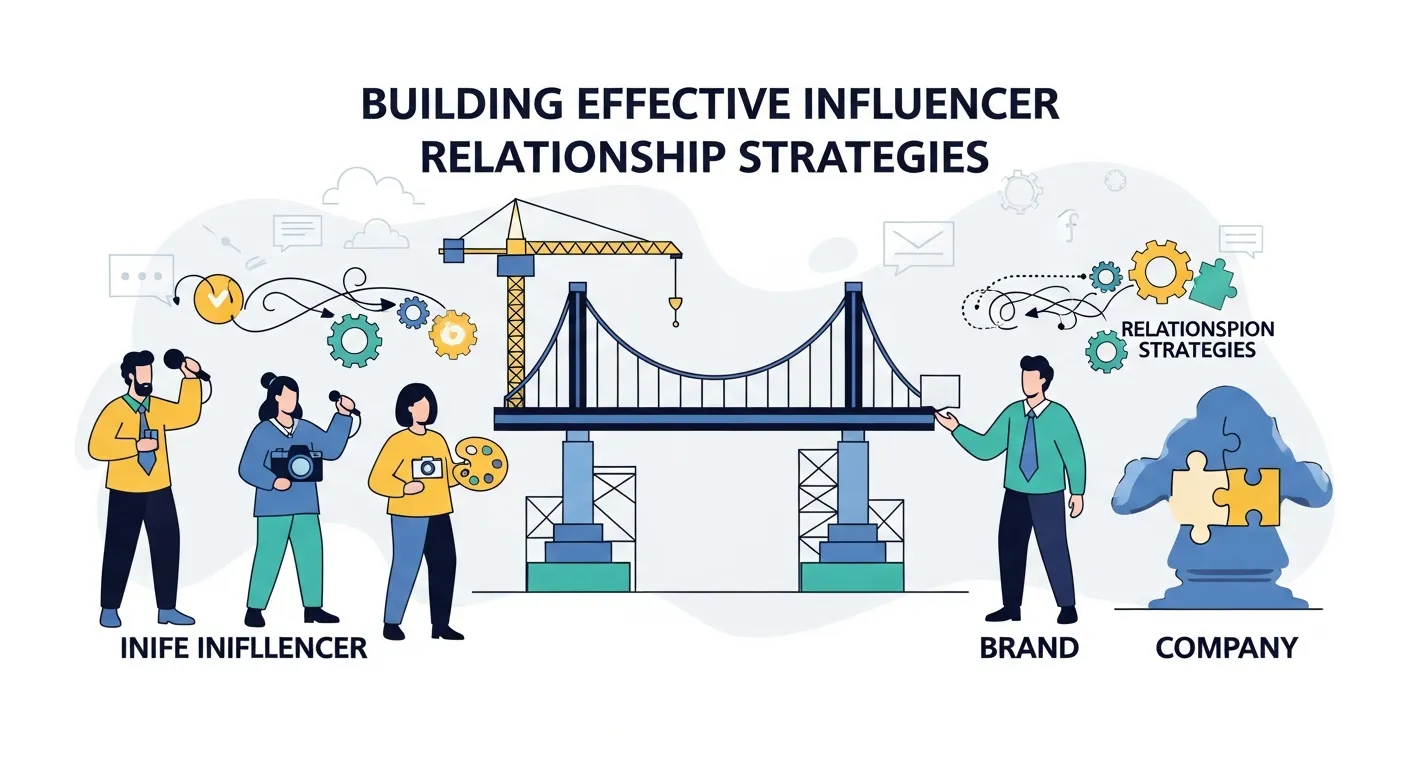
Successful Influencer Relations begin directly with clearly defined marketing goals and well-researched target audiences. Brands must fully understand exactly what they want to achieve through these partnerships.
Research and Discovery
This crucial phase involves identifying influencers whose specific audiences align perfectly with your target market. Brands relying solely on follower counts often ignore other metrics, exposing themselves to fake followers and poor engagement. Look at average comment rates, content style fit, and even past brand partnerships to gauge long-term compatibility. Proper research is crucial for preventing an accidental social media crisis caused by misalignment or misrepresentation.
Authenticity Assessment
This step requires evaluating whether potential influencer partners genuinely connect with your stated brand values. Would they naturally use your products in their daily lives? Forced, unnatural partnerships often produce unconvincing content that sophisticated audiences immediately reject. Focus on influencers who align with your tone, values, and community—especially those who have previously mentioned your products organically or who share similar interests.
Relationship Building
Rather than launching straight into business, Influencer Relation best practice is to build rapport well before a campaign begins. Engage with an influencer’s content, join their live sessions, and get to know their audience. This groundwork leads to smoother negotiation and stronger collaboration, and forms a network ready to help amplify your message or defend your brand in a social media crisis.
Clear Communication
Clear communication ensures both parties completely understand the campaign expectations, deliverables, timelines, and financial compensation. Highly detailed contracts and clear creative briefs prevent massive misunderstandings. This clarity protects both the brands and the influencers from a potential social media crisis. Brands can even go as far as to outline protocols in case of unforeseen events, and schedule regular check-ins during campaign rollouts.
Creative Freedom
Brands must strike a delicate balance between maintaining their guidelines and allowing valuable creative freedom. Too many restrictions can stifle an influencer’s creativity, leading to content that feels stilted or off-brand. When brands trust influencers to tailor the message for their audience, campaigns usually yield better results and create less risk of backlash during a campaign—often highlighted in more positive crisis case study outcomes.
Measuring Influencer Relation Success
Traditional metrics like basic reach and total impressions provide highly limited insight into campaign effectiveness. Modern Influencer Relation measurement focuses heavily on engagement quality, audience sentiment, and direct business impact.
Key Measurement Metrics in Influencer Relation:
- Engagement Rate: Measures likes, comments, shares, and saves—indicating how much audiences interact with influencer content about your brand.
- Reach & Impressions: Gauge the size of the audience exposed to content, but must be considered together with interaction data.
- Sentiment Tracking: Uses analytics to determine whether brand mentions are positive, neutral, or negative.
- Conversion Tracking: Relies on custom links, promotional codes, or dedicated landing pages to quantify sales or leads generated.
- Brand Lift Studies: Surveys and brand studies before and after a campaign can measure shifts in awareness and sentiment.
A successful Influencer Relation program will review these metrics holistically, adjusting future partnership strategies proactively and avoiding situations that could turn into a crisis case study.
Common Influencer Relation Challenges
Managing an Influencer Relation program comes with significant challenges.
- Fake Followers & Engagement: Brands must vet audiences for authenticity, as bots and fake engagement can skew ROI, spark media scrutiny, and create social media crisis vulnerabilities.
- Content Quality Control: Maintaining consistent brand messaging while allowing influencer creativity is tricky but essential for authenticity and long-term collaborations.
- Scaling Partnerships: As campaigns scale, brands need systems and people to manage multiple collaborations, measure impact, and prevent operational missteps.
- Legal Compliance & Disclosure: Influencer Relation requires careful attention to disclosure rules, especially as regulations evolve. Missteps may become the focus of a crisis case study.
- Crisis Management Preparedness: Even the best-managed campaigns may face sudden controversy. Having a response protocol, established lines of communication, and mutual support plans protects both brand and creator.
Brands must also invest in regular training for their partnership teams, ensuring everyone understands new regulations, changing platform algorithms, and the evolving cultural context—a must for any successful Influencer Relation program intent on avoiding a social media crisis.
Frequently Asked Questions (FAQ)
1. What is the primary goal of Influencer Relation?
The primary goal of Influencer Relation is to build long-term, mutually beneficial partnerships with content creators. This strategy helps brands reach highly targeted audiences authentically, driving both brand awareness and direct conversions over time.
2. How does Influencer Relation differ from simple influencer marketing?
Influencer marketing often refers to short-term, highly transactional paid posts. Influencer Relation focuses deeply on nurturing ongoing connections, treating creators as vital brand ambassadors rather than just temporary advertising spaces.
3. How can bad Influencer Relation cause a social media crisis?
If a brand partners with an influencer who posts offensive content or poorly aligns with the brand’s core values, public backlash happens instantly. Understanding the common causes of social media crisis events helps your team thoroughly vet creators before signing contracts.
4. What is a micro-influencer in Influencer Relation?
A micro-influencer typically has between 10,000 and 100,000 followers. Brands love partnering with them in their Influencer Relation programs because they generally boast much higher engagement rates and deeper community trust than massive celebrities.
5. How do we measure the success of our Influencer Relation efforts?
Success is measured by tracking specific metrics like audience engagement rates, overall brand sentiment, and direct conversion data. Utilizing custom affiliate links or unique promo codes helps track exactly how many sales an influencer generated.
6. Should we give influencers total creative freedom?
You should provide a clear creative brief outlining your brand guidelines, but you must allow the influencer to use their authentic voice. Over-scripting the content makes it feel fake, which ruins the core benefit of your Influencer Relation strategy.
7. How do we handle an influencer whose account gets hacked?
If an influencer partner’s account is compromised and posts dangerous links, you must pause your campaign immediately. You should review a guide on handling a social media security breach to understand how to protect your brand’s digital assets during the incident.
8. Can reviewing a crisis case study help our Influencer Relation strategy?
Absolutely. Analyzing a detailed crisis case study reveals exactly how other brands successfully or poorly handled influencer controversies. This historical knowledge helps your team build safer, more resilient partnership contracts.
9. How do we align our team to manage Influencer Relation safely?
Safe management requires strict internal communication guidelines and clear approval workflows for all sponsored content. Implementing social media crisis management best practices ensures your team knows exactly how to respond if an influencer partnership turns negative.
10. Do we need legal contracts for Influencer Relation?
Yes, detailed legal contracts are absolutely mandatory. They clearly outline deliverables, payment terms, content usage rights, and strict FTC disclosure requirements, protecting your brand from severe legal and reputational risks.


I’m a passionate digital strategist and content creator focused on crisis communication, social media management, and online reputation. At SMCrisis, I share insights, tips, and real-world strategies to help brands navigate challenges, protect their image, and build trust in the digital space. My goal is to make crisis management simple, smart, and actionable for every business.







No Comments