


This guide explores Social Media Crisis Management through real corporate apology examples, showing what works and fails. It helps brands respond effectively, rebuild trust, and turn public mistakes into opportunities for stronger customer relationships.
When brands mess up online, the whole world watches. One poorly crafted response can turn a minor issue into a viral disaster. On the other hand, a genuine apology can rebuild trust and strengthen customer relationships. Social Media Crisis Management has become an absolute necessity for modern businesses.
Corporate apologies serve as the cornerstone of effective brand management. With digital platforms amplifying every misstep, companies must master the art of saying sorry publicly. This comprehensive guide examines real corporate apology examples. We will break down what works, what fails, and how your brand can navigate these challenging situations through effective Social Media Crisis Management.
You will learn the anatomy of a perfect apology, review a detailed crisis case study, and discover how to protect your reputation when disaster strikes.
Why Social Media Crisis Management Matters More Than Ever
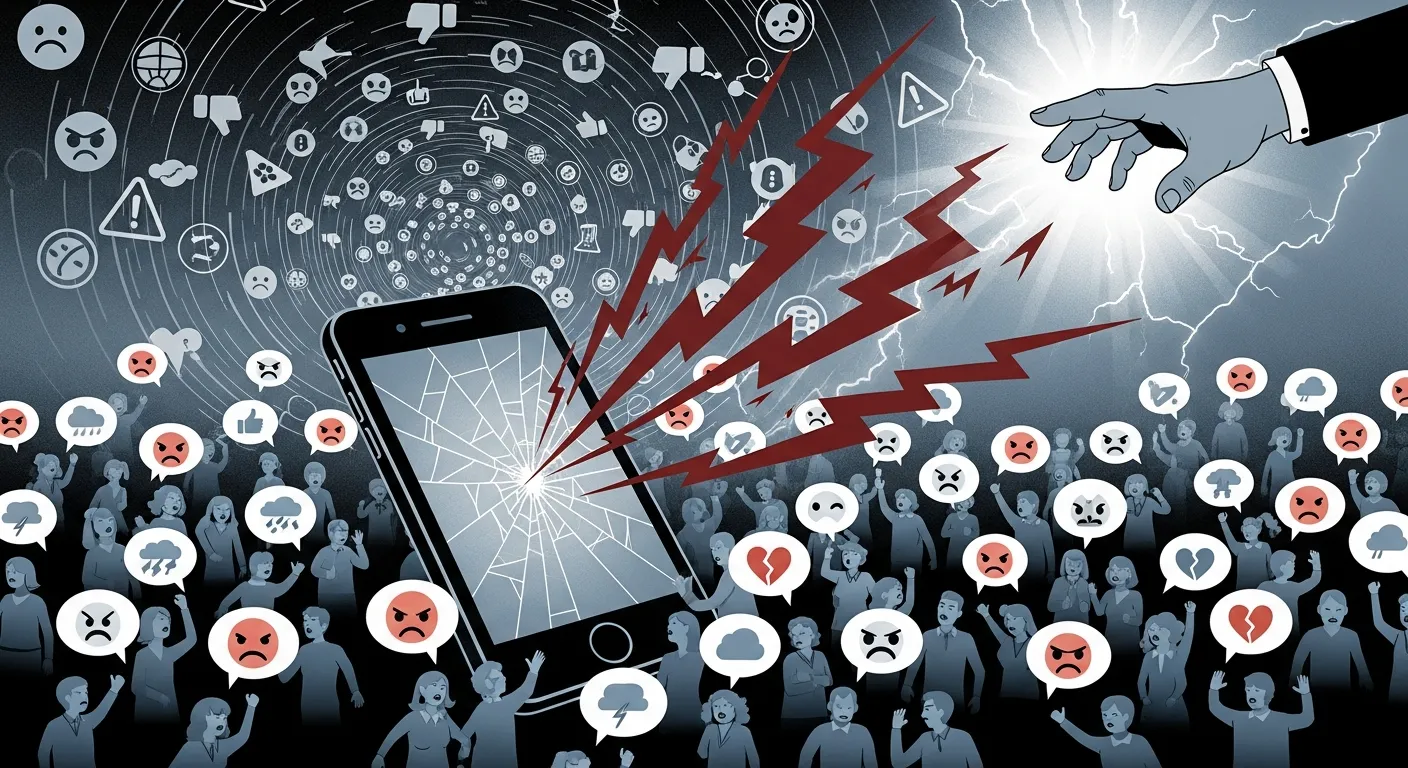
Social media has fundamentally changed how brands communicate with the public. A single tweet can reach millions of people in a matter of hours. Customer complaints that once lived privately in emails now play out in highly public forums. This reality makes Social Media Crisis Management more critical than ever before.
When brands make mistakes—whether through insensitive marketing campaigns, product errors, or executive misunderstandings—the public response often focuses more on the apology than the original error. A well-prepared Social Media Crisis Management plan shows your brand’s responsibility and alignment of values. A bad response rapidly escalates the situation.
The stakes remain incredibly high. Research indicates that 86% of consumers will stop buying from a company after a bad experience. A social media crisis amplifies these negative experiences to unique levels.
The Cost of Ignoring the Problem
Ignoring a social media crisis guarantees long-term damage. Brands that fail to implement Social Media Crisis Management suffer from:
- Massive drops in consumer trust and brand loyalty.
- Plummeting stock prices and investor confidence.
- Negative media coverage that dominates search engine results.
- High employee turnover due to a damaged corporate culture.
Social Media Crisis Management is, in effect, your insurance policy against irreparable public backlash. Brands that remain silent or slow to respond give up narrative control, making it almost impossible to steer recovery in a positive direction.
The Impact of Good vs. Bad Social Media Crisis Management
|
Metric |
Bad Crisis Management |
Good Social Media Crisis Management |
|---|---|---|
|
Brand Trust |
Drops significantly |
Stabilizes and often improves |
|
Media Tone |
Highly critical |
Neutral to positive |
|
Customer Action |
Boycotts and lost sales |
Forgiveness and continued loyalty |
|
Recovery Time |
Years of reputation damage |
Days or weeks of minor disruption |
To understand how to craft your response, you can review this guide:
Learn how to make an effective post-crisis apology
Anatomy of an Effective Corporate Apology
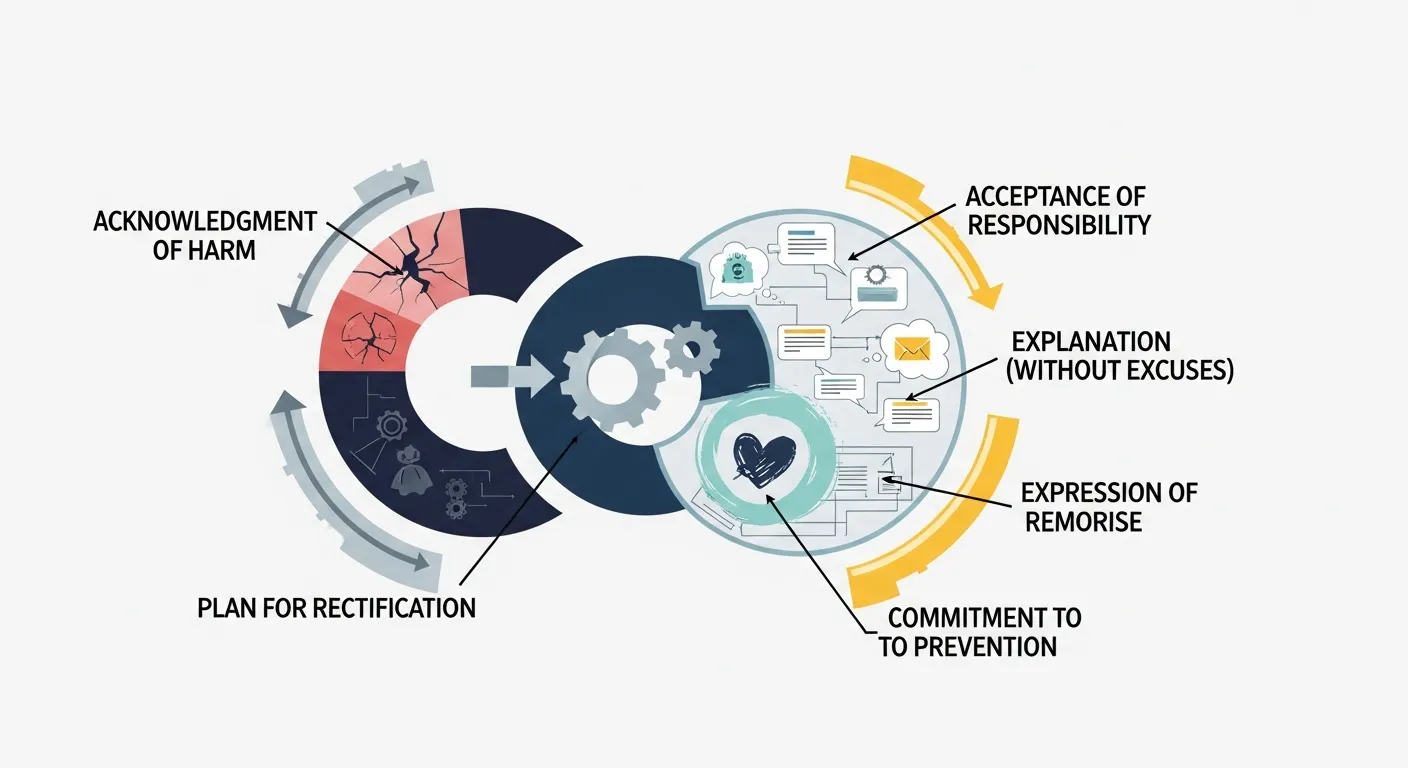
Before examining specific examples in a crisis case study, you must understand what makes a corporate apology effective. The absolute best Social Media Crisis Management responses share several key characteristics.
Acknowledgment of the Specific Issue
Vague statements like “we are sorry if anyone was offended” completely miss the mark. Effective Social Media Crisis Management requires you to clearly state exactly what went wrong. You must name the failure directly. Acknowledging the problem demonstrates awareness and sets the tone for rebuilding trust.
Acceptance of Full Responsibility
The most powerful apologies avoid deflecting blame. They do not make excuses about third-party vendors or junior employees. They take full, unreserved ownership of the mistake. Leaders should speak directly to impacted audiences to show authentic leadership and control.
Genuine Remorse and Empathy
Authentic emotion always resonates with audiences. Corporate PR jargon feels incredibly hollow compared to sincere, human language. A good social media crisis response focuses on the pain caused to the customer, not the inconvenience caused to the brand. This distinction is key—brands must show they care about people, not just public image.
Concrete Corrective Actions
Saying sorry is never enough in Social Media Crisis Management. Audiences demand to know what exact steps the company will take to prevent similar issues. You must outline a clear, actionable plan. This could include policy changes, new employee training, or partnerships with advocacy groups.
Appropriate Tone and Timing
Your response must match the severity of the situation. It must also arrive quickly enough to show the company remains engaged and deeply concerned about the social media crisis. Fast, appropriate action signals competence and care.
Find more tips on structuring your message here:
Explore social media apologies and crisis management
Additional Elements for Apology Success
- Public Follow-Up: Ongoing updates reassure your audience that promises weren’t empty words.
- Transparency: When in doubt, err on the side of transparency—even sharing the unknown demonstrates responsibility.
- Corporate Accountability: An apology signed or recorded by the CEO carries more weight than one issued anonymously or by committee.
Corporate Apology Examples That Got It Right

Reviewing a successful crisis case study helps your team prepare for future disasters. Let us look at brands that executed flawless Social Media Crisis Management.
KFC’s “FCK” Campaign
When KFC ran out of chicken across most of its UK locations, the situation threatened to become a catastrophic social media crisis. Instead, their Social Media Crisis Management team delivered a masterclass in crisis communication.
KFC took out full-page newspaper ads and posted on social media featuring an empty chicken bucket. They rearranged their letters to spell “FCK.” The headline read: “A chicken restaurant without any chicken. It’s not ideal.”
This apology worked brilliantly because it was immediate and honest. It showed the brand could laugh at itself while taking full responsibility. Rather than using stiff corporate jargon, they used conversational language. They acknowledged the deep frustration customers felt and provided transparent updates on when locations would reopen.
Airbnb’s Response to Discrimination
When reports surfaced that hosts discriminated against guests based on race, Airbnb faced a severe social media crisis. This threatened the core of their original mission. Their Social Media Crisis Management response showed exactly how to address systemic problems.
CEO Brian Chesky published a highly comprehensive letter. He stated: “There is no place on Airbnb for prejudice and discrimination, and we have zero tolerance for them.” The company did not minimize the problem or deflect responsibility to individual hosts.
More importantly, Airbnb backed up this crisis case study response with massive policy changes. They implemented strict anti-discrimination policies and created new internal training programs. They also established long-term partnerships with civil rights organizations.
JetBlue’s Operational Disaster
During a massive winter storm, JetBlue experienced a large-scale operational failure. Passengers sat trapped on grounded aircraft for hours. CEO David Neeleman’s response became the ultimate template for Social Media Crisis Management.
Neeleman appeared directly on several media platforms. He apologized and explained exactly what went wrong. He did not hide behind corporate communication teams or legal disclaimers. His excuse felt deeply real because he expressed profound personal responsibility.
The airline then introduced a “Customer Bill of Rights,” which guaranteed specific compensation for future delays. This specific action demonstrated their permanent obligation to prevent similar problems.
More Examples
- Tylenol’s Product Tampering Response (1982): Johnson & Johnson’s decisive recall, honest communication, and introduction of tamper-proof packaging are used in case studies worldwide as Social Media Crisis Management gold standards.
- Oatly’s Response to Supplier Backlash: After facing criticism over a controversial investment, Oatly openly addressed customer concerns and set expectations for concrete environmental and supplier standards.
- Southwest Airlines Holiday Meltdown (2022): The airline’s open acknowledgment of operational failures and commitment to reimburse affected customers, though not perfect, showed transparency and intent to rectify mistakes.
Corporate Apology Examples That Missed the Mark
Not every crisis case study ends well. Many brands fail at Social Media Crisis Management, making their situations infinitely worse.
United Airlines’ Dragging Incident
When United Airlines forced a passenger off an overbooked flight, their first response increased the social media crisis instead of containing it.
The initial statement from the CEO referred to having to “re-accommodate” passengers. He focused entirely on standard procedures instead of accepting clear wrongdoing. The language felt completely disconnected from the clinical and human effect of the horrifying situation.
This initial response demonstrated many general Social Media Crisis Management errors. They used corporate jargon rather than direct language. They focused on airline policy rather than human dignity. Only after facing massive public setbacks did United finally issue an appropriate apology.
Facebook’s Data Scandal Response
When a major data scandal broke, Facebook’s response revealed exactly how not to handle a major social media crisis. Initial statements felt highly calculated and extremely defensive rather than genuinely apologetic.
The company’s Social Media Crisis Management suffered from severe delayed timing. They offered confusing technical explanations that seemed to minimize the core problem. They focused entirely on what they were legally required to do rather than what was ethically right.
While they eventually implemented stronger privacy controls, their initial social media crisis response damaged user trust for years. This crisis case study highlights how the first 24 hours determine public perception.
Pepsi’s Ad Controversy
When Pepsi released an ad that seemingly trivialized police-community tensions, the backlash was swift. The company’s apology missed several major opportunities to demonstrate genuine understanding.
Pepsi’s Social Media Crisis Management team focused heavily on pulling the ad and apologizing to the celebrity involved. They failed to adequately address the marginalized communities who felt the ad mocked serious social justice issues. The response felt far more concerned with celebrity feelings than societal impact.
Unpacking Why These Responses Failed
- Speed without empathy produces a robotic response—timing matters, but tone is equally important.
- Ignoring the true victims or affected audiences further alienates communities.
- Failure to clarify follow-up steps allows trust to erode long after the initial apology.
Platform-Specific Considerations for Social Media Crisis Management
Different platforms require different approaches to Social Media Crisis Management. Understanding these nuances prevents a minor issue from becoming a viral disaster.
Twitter (X) Apologies
Twitter’s character limit forces extreme conciseness. The platform’s real-time nature means companies must respond instantly. Effective Social Media Crisis Management on Twitter often uses numbered thread formats. This provides comprehensive responses while maintaining a conversational tone.
Tips:
-
- Use threads to add necessary detail
- Acknowledge the issue publicly before shifting to private messages if necessary
- Retweeting or quote-tweeting critical voices, when handled well, can humanize the brand
Facebook Responses
Facebook allows for much longer-form content. This makes it highly suitable for a detailed crisis case study that requires heavy context and explanation. Companies often use Facebook for their formal statements while using the comments section to engage directly with angry customers.
Tips:
-
- Pin apology statements to the top of your page
- Answer follow-up questions transparently, but move heated debates to private channels
- Use images or infographics to summarize the next steps
Instagram Visual Apologies
Instagram’s visual nature creates unique opportunities for Social Media Crisis Management. Brands effectively use text-based graphics or direct-to-camera videos to convey deep sincerity. However, highly polished videos often feel incredibly fake. The most effective Instagram apologies feel raw and genuine.
Tips:
-
- Appear unscripted and direct in video messages
- Use Stories for real-time updates, Posts for official statements
- Monitor comments for sentiment and misinformation
Building Your Social Media Crisis Management Strategy
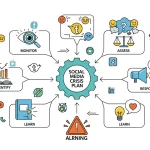
Corporate apologies should never be improvised during a social media crisis. The most effective responses come from companies that have prepared strict frameworks well in advance.
Essential Elements of a Proactive Crisis Plan
- Crisis Team Roster: Identify who is responsible for monitoring brand mentions, who drafts messaging, and who has final approval.
- Scenario Playbooks: Prepare for various crises: data breaches, PR gaffes, customer service failures, and even influencer backlash.
- Escalation Protocols: Define what qualifies as a crisis and triggers your Social Media Crisis Management plan.
- Media Response Guidelines: Determine which matters require CEO involvement and which can be handled by community managers.
Training and Rehearsals
Regularly rehearse crisis scenarios to build team comfort under pressure. Analyze crisis case studies in post-mortems to extract lessons for continuous improvement. Training should include mock social media storms and drills on decision-making speed versus messaging accuracy.
Moving Forward: Apologies as Brand Building
A crisis case study proves that saying sorry does not need to destroy your brand. When effectively handled through proper Social Media Crisis Management, forgiveness can actually strengthen the customer relationship. It showcases your authenticity and commitment to continuous improvement.
Companies that master Social Media Crisis Management often find that their customers become much more loyal. Total transparency and fast responsibility matter deeply to modern consumers. They understand that all companies eventually make mistakes.
Turning Crisis into Opportunity
- Share Lessons Learned: After crisis resolution, share what your team is doing differently. This closes the accountability loop and builds goodwill.
- Highlight Values: Use your response to highlight your company’s values in action, not just as empty slogans.
- Monitor Post-Crisis Sentiment: Continue social listening and reputation management long after the initial crisis fades to ensure the issue does not flare up again.
Your brand will inevitably meet massive challenges. How you respond to these challenges defines your reputation for the coming years. Study every crisis case study closely. Prepare your Social Media Crisis Management frameworks today. Remember that sometimes, the absolute best thing a company can do is simply apologize and truly mean it.
Frequently Asked Questions (FAQ)
1. What is the very first step in Social Media Crisis Management?
The first step involves pausing all automated marketing posts immediately to avoid looking tone-deaf. Then, your team must assess the verified facts of the situation before issuing an initial, empathetic holding statement to the public.
2. How do we know if our social media accounts were hacked?
If highly offensive or out-of-character posts suddenly appear on your feeds, malicious actors may have gained control. Reviewing a guide on handling a social media security breach helps your IT team lock down access quickly and safely.
3. Should we delete negative comments during a social media crisis?
No, you should never delete negative comments unless they contain severe profanity, hate speech, or spam. Deleting valid customer criticism makes your brand look highly defensive and rapidly accelerates the anger driving the social media crisis.
4. How can we ensure our team knows how to prevent a crisis?
Prevention requires aligning your entire marketing department under strict brand voice guidelines and clear approval workflows. Following established social media crisis management best practices ensures your team understands the boundaries of appropriate online behavior.
5. How fast should we issue our corporate apology?
In effective Social Media Crisis Management, you should issue an initial acknowledgment within the first hour. A fully detailed, comprehensive corporate apology and action plan should follow within the first 24 hours of the incident.
6. Why is the phrase “mistakes were made” bad for apologies?
This specific phrase uses passive voice to completely dodge direct personal or organizational accountability. It tells the angry audience that the company refuses to own its specific actions, which always worsens a social media crisis.
7. What usually triggers a brand crisis in the first place?
Most online backlash stems from culturally insensitive ad campaigns, broken customer service promises, or rogue employee behavior. Understanding the common causes of social media crisis events helps your brand identify blind spots before publishing risky content.
8. Who should deliver the apology during a major crisis case study?
For severe crises that threaten the brand’s core reputation, the CEO must deliver the apology to show ultimate accountability. For minor operational issues, a designated PR spokesperson or the head of customer service is usually sufficient.
9. Can a past crisis case study actually help us prepare?
Absolutely, reviewing a relevant crisis case study shows your team exactly how the public reacts to specific corporate apologies. Learning from the costly mistakes of other organizations provides a blueprint for what communication tactics actually work.
10. When is a social media crisis officially considered over?
A social media crisis stabilizes when online sentiment metrics return to their normal, pre-crisis baseline levels. However, internal Social Media Crisis Management monitoring must continue for several weeks to ensure the issue does not flare up again.


I’m a passionate digital strategist and content creator focused on crisis communication, social media management, and online reputation. At SMCrisis, I share insights, tips, and real-world strategies to help brands navigate challenges, protect their image, and build trust in the digital space. My goal is to make crisis management simple, smart, and actionable for every business.









No Comments