


This guide teaches how to craft effective Social Media Apologies by owning mistakes, responding quickly, and taking meaningful action. It helps brands rebuild trust, manage crises strategically, and turn public backlash into long-term reputation growth.
Digital platforms move incredibly fast. One minute you share a casual post, and the next minute you face massive backlash that threatens your entire brand’s reputation. Whether you post a poorly worded tweet, an insensitive comment, or a marketing campaign that completely misses the mark, mistakes happen to everyone. Even the most cautious brands and individuals face these challenges.
The real test of leadership does not rely on completely avoiding mistakes. Instead, it relies heavily on how you behave when you make them. Well-designed Social Media Apologies can turn a potential disaster into a profound opportunity. They allow you to showcase your core values, rebuild fractured trust, and demonstrate genuine accountability. However, a poorly handled response will dramatically increase your losses and cause permanent damage to your hard-earned reputation.
This comprehensive guide walks you through the exact steps required to prepare effective Social Media Apologies. You will learn how to rebuild confidence, address authentic audience concerns, and emerge from a social media crisis much stronger than before.
Understanding the Anatomy of a Social Media Crisis

Before you dive headfirst into crafting Social Media Apologies, you must completely understand what you face. A social media crisis comes in many different forms. These range from minor customer misunderstandings to major cultural disputes that attract widespread international media attention.
Common Crisis Triggers
Several predictable events typically trigger a massive online backlash. Understanding these triggers helps you prepare your Social Media Apologies more effectively.
- Tone-Deaf Content: Publishing posts that ignore current global events or cultural sensitivities.
- Factual Errors: Sharing wildly incorrect information that misleads your loyal audience.
- Insensitive Humor: Making jokes that rely on harmful stereotypes or mock marginalized communities.
- Customer Service Failures: Ignoring a massive service outage or dismissing valid customer complaints publicly.
The speed at which these specific problems escalate depends on several key factors. Your total follower count, the severity of the original error, and the involvement of highly influential accounts all dictate the pace of the social media crisis.
Assessing the Damage
The very first step in crisis management requires a calm, objective evaluation. You must take the necessary time to deeply understand exactly what went wrong. You need to identify who was directly affected and gauge the overall scale of the problem. This initial assessment is never about controlling the narrative; it is about gaining a real understanding that will inform your eventual response.
Crisis Severity Matrix
|
Crisis Level |
Description |
Impact |
Required Action |
|---|---|---|---|
|
Level 1 |
Minor typo or small misunderstanding |
Very low, contained |
Brief clarification |
|
Level 2 |
Poorly worded joke or mild insensitivity |
Medium, growing fast |
Standard Social Media Apologies |
|
Level 3 |
Severe offensive content or major outage |
High , media coverage |
Executive video apology |
|
Level 4 |
Legal violation or massive data breach |
Critical, brand threat |
Full crisis case study response |
The Golden Rules of Social Media Apologies

When you write Social Media Apologies, you must adhere to several non-negotiable rules. Breaking these rules will instantly turn your apology into a secondary crisis.
Own Your Mistake Completely
The absolute most effective Social Media Apologies start with complete, unreserved ownership. You must actively avoid toxic phrases like “we are sorry if anyone was offended” or “mistakes were made.” These passive statements completely deflect your responsibility. They heavily suggest that you do not understand the real impact of your harmful actions.
Instead, use highly direct, active language. Say exactly: “We made a massive mistake,” or “Our recent post was entirely inappropriate.” This direct approach demonstrates strict accountability. It shows your angry audience that you take the severe situation incredibly seriously.
Be Specific About What Went Wrong
Vague Social Media Apologies always feel incredibly hollow and corporatized. You must address the specific issue that caused the harm. If you shared dangerous misinformation, you must acknowledge that specific act. If your post was culturally insensitive, you must name that insensitivity directly.
This necessary specificity serves two major purposes. First, it shows the public that you actually understand the core problem. Second, it helps your audience see that you are not just issuing a blanket, copy-pasted apology to make the uncomfortable issue disappear quickly.
Express Genuine Remorse
Your Social Media Apologies must constantly convey authentic, deep regret. You cannot just show regret regarding the negative consequences to your sales. You must focus entirely on the actual harm you caused others, rather than the temporary damage to your own corporate reputation.
Saying “We are sorry this caused a controversy” centers your own corporate experience. Saying “We are deeply sorry our post perpetuated harmful, dangerous stereotypes” rightly centers the painful impact on your community.
Explain Without Excusing
Providing background context can sometimes help the public understand the situation. However, this context should never overshadow your ultimate accountability. If absolutely relevant, you can briefly explain how the internal mistake occurred. Just do not let your explanations morph into defensive excuses.
The primary goal involves helping people understand the timeline of events. You must make it crystal clear that you are not trying to justify your harmful actions under any circumstances.
Read more about structuring these responses:
How to make an effective post-crisis apology
Timing Your Response: When Speed Matters
A social media crisis operates entirely on internet time. On digital platforms, mere hours can easily feel like agonizing days. However, the immense pressure to respond quickly should never override your absolute need to respond thoughtfully and accurately.
The Golden Response Window
For relatively minor issues, you should aim to respond within the first few hours. For much more serious, brand-threatening matters, it remains acceptable to take up to 24 hours to craft proper Social Media Apologies. If you desperately need more time to gather verified facts, you must post a brief holding statement. This statement should acknowledge that you are fully aware of the issue and are actively preparing a complete, detailed response.
The absolute key to surviving a social media crisis is proactive communication. The public interprets corporate silence as arrogant indifference. You must keep your audience informed about your internal review process, even if you are not quite ready to publish your complete Social Media Apologies.
Choosing the Right Platform and Format
Where you publish your Social Media Apologies matters just as much as what you actually say. The medium carries a distinct message of its own.
Platform-Specific Strategies
Generally, you must learn how to apologize directly on the exact same platform where the original mistake occurred. If the massive issue started on Twitter, you must address it on Twitter first.
For longer, highly detailed Social Media Apologies, visual platforms like Instagram can accommodate more nuanced text through multi-slide carousel posts. LinkedIn works best for strictly business-to-business contexts. You should strongly consider cross-posting your message to your other main digital platforms if the social media crisis has already spread far beyond its original point of origin.
The Risks of Video Apologies
Video Social Media Apologies can feel much more personal and intimate. However, they also carry significantly more inherent risk. They work best only when the speaker feels highly comfortable on camera. The executive must speak authentically without appearing like they are reading nervously from a legal script. A bad video apology often becomes a viral meme, making the social media crisis infinitely worse.
What Not to Do: Common Apology Mistakes
When crafting Social Media Apologies, you must avoid several frequent, destructive pitfalls. These mistakes will instantly ruin any goodwill you attempt to generate.
The Non-Apology Apology
Phrases like “we are sorry you feel that way” or “we apologize for any misunderstanding” do not function as actual apologies. They actively place the blame and responsibility onto the audience. They stubbornly refuse to acknowledge any true corporate wrongdoing.
Deflecting to Others
Blaming your junior social media managers, third-party contractors, or other lower-level team members completely undermines your executive credibility. As the primary account holder, the leadership team remains entirely responsible for every single piece of content posted under your brand’s name.
Getting Defensive
When facing a massive wave of public criticism, the natural human response often involves extreme defensiveness. You must fiercely resist the overwhelming urge to argue with your online critics. Never try to explain why their emotional reactions are technically wrong. This defensive posture drastically escalates the conflict rather than gracefully resolving it.
Disappearing After the Apology
Posting your Social Media Apologies and then suddenly going completely silent makes your brand look highly manipulative. It seems like you are just hiding in a bunker waiting for the painful issue to blow over. You must stay actively engaged. Provide genuine, helpful responses to any follow-up questions and legitimate concerns from your community.
Find further guidance on managing these digital pitfalls:
Social media apologies and crisis management
Following Through: Actions Beyond Words
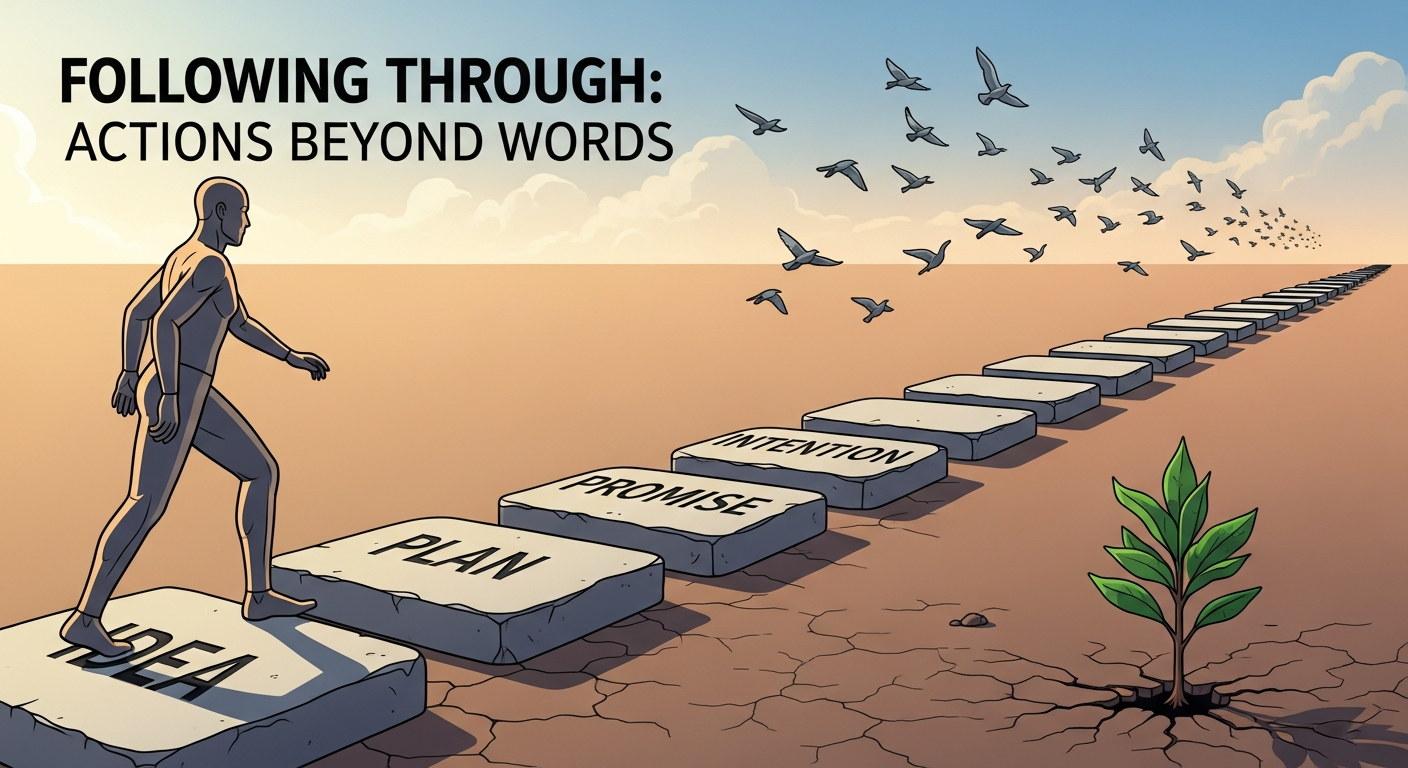
The absolute best Social Media Apologies are always followed by swift, concrete corporate actions. Words mean nothing if your behavior remains exactly the same.
You must implement visible changes to prove your sincerity. These critical actions might include:
- Updating your internal content guidelines to permanently prevent similar issues.
- Donating significant financial resources to highly relevant community causes.
- Bringing in specialized, expert consultants to audit and review your business practices.
- Implementing strict, new multi-tier approval processes for any sensitive brand content.
You must share these positive actions publicly whenever appropriate. They prove to the world that your Social Media Apologies represent real, systemic organizational change, not just empty PR words.
Learning from Real-World Examples
Some of the most highly instructive lessons come directly from major corporate brands that have navigated high-profile mistakes. Creating a dedicated crisis case study for your internal team helps you learn from these events.
Every strong crisis case study highlights brands that execute quick acknowledgment, specific ownership, genuine remorse, and concrete follow-through. You must study Social Media Apologies that the public actually received well. Notice exactly how they expertly balance brevity with completeness. Observe how they address their harshest critics directly, and how they outline highly specific, measurable steps for future improvement. A good crisis case study provides a permanent blueprint for your own success.
Building Crisis Prevention Into Your Strategy
The absolute best apology is the one you never actually have to make. You must build active prevention directly into your daily crisis management strategy.
You achieve this by creating highly diverse content review teams. You must establish crystal clear editorial guidelines for handling sensitive, controversial topics. You need to train all your team members heavily on modern cultural awareness. Furthermore, you must build robust approval processes for any potentially controversial content. Regularly reviewing and fiercely updating your social media policies keeps your brand exceptionally safe.
Building Your Apology Playbook
Every single brand requires a formalized crisis communication plan. This plan must include tested apology templates and strict reaction processes. This playbook is not about generating robotic, scripted answers. It is about creating a reliable framework that ensures you cover all the essential elements of Social Media Apologies when you operate under extreme public pressure.
Crisis Playbook Roles
|
Team Role |
Responsibilities During a Social Media Crisis |
|---|---|
|
Social Media Manager |
Monitors sentiment, pauses scheduled posts |
|
PR Director |
Drafts the initial Social Media Apologies |
|
Legal Counsel |
Reviews statements for liability risks |
|
CEO/Founder |
Approves the message, records video if needed |
Your official playbook must contain emergency contact information for all central stakeholders. It needs clear approval procedures for different types of corporate reactions. It also requires strict guidelines dictating exactly when to escalate specific questions to senior management or external PR experts.
Regular, intense team training on these exact processes ensures that absolutely everyone knows their specific role when a social media crisis attacks. Conducting frequent practice scenarios helps your marketing team respond much more effectively when a real, terrifying situation actually arises.
The Long Game: Reputation Recovery
You must remember that corporate reputation recovery operates as a grueling marathon, never a quick sprint. You must continue aggressively demonstrating your core values through highly consistent actions long after the immediate social media crisis has finally passed.
Share frequent, transparent updates regarding the systemic changes you implemented. Celebrate your organizational progress, and always remain entirely transparent about your ongoing internal challenges.
Your audience will ultimately judge you not just on how you handle your mistakes in the moment, but on how you proactively prevent them from ever happening again. You must make your Social Media Apologies the absolute beginning of a much better corporate chapter, rather than just the bitter end of a difficult one. By embracing accountability, you guarantee that your brand will survive any digital storm.
Frequently Asked Questions
1. How quickly should a brand issue Social Media Apologies during a crisis?
You should aim to issue a brief holding statement within the first hour of realizing the problem. A fully detailed, comprehensive apology should ideally follow within 24 hours. Speed shows your audience that you are actively taking the social media crisis seriously.
2. Should we delete the offensive post before posting our apology?
Yes, you generally should delete the highly offensive content to prevent it from spreading further and causing more harm. However, you must explicitly mention that you deleted it in your Social Media Apologies to maintain absolute transparency.
3. What should we do if our account was hacked to cause the crisis?
If malicious actors posted the offensive content, you must lock down your systems immediately while remaining fully transparent. Reading a guide regarding a social media security breach will help your IT team regain control while your PR team informs the public.
4. Why is the phrase “I am sorry if you were offended” considered a bad apology?
This specific phrase represents a classic non-apology because it shifts the entire blame onto the audience’s emotional reaction. It stubbornly refuses to acknowledge that the brand’s original action was inherently wrong, which heavily fuels the social media crisis.
5. How can we ensure our entire team knows how to prevent a crisis?
Prevention requires aligning your entire marketing department under highly strict, clear editorial guidelines. Implementing social media crisis management best practices ensures your staff knows the exact boundaries of safe, appropriate online brand communication.
6. Who should deliver the Social Media Apologies for a major corporate mistake?
For an incredibly severe social media crisis that impacts your core brand reputation, the CEO or Founder must deliver the apology. This high-level involvement shows the public that the company takes ultimate accountability for the failure.
7. Is a video apology better than a written text apology?
A video apology is highly effective if the speaker is genuinely sincere and comfortable on camera. However, if the executive appears defensive, robotic, or overly scripted, a written text apology is much safer for mitigating the social media crisis.
8. What are the most frequent triggers that cause a brand crisis?
Most online backlash stems from tone-deaf marketing campaigns, broken customer promises, or completely rogue employee behavior. Understanding the common causes of social media crisis events helps your brand identify critical blind spots before you publish risky content.
9. Can analyzing a past crisis case study actually help our brand prepare?
Absolutely. Analyzing a detailed crisis case study reveals exactly how the general public reacts to specific corporate damage control tactics. Learning from the painful mistakes of other major brands allows you to navigate your own emergencies flawlessly.
10. How soon after posting our apology can we return to our normal marketing schedule?
You must wait until the highly negative online sentiment visibly dies down, which usually takes several days to a full week. When you do resume posting, ease back into it with gentle, value-driven educational content rather than aggressive sales pitches.


I’m a passionate digital strategist and content creator focused on crisis communication, social media management, and online reputation. At SMCrisis, I share insights, tips, and real-world strategies to help brands navigate challenges, protect their image, and build trust in the digital space. My goal is to make crisis management simple, smart, and actionable for every business.













No Comments