



Post-crisis analysis is a vital process for transforming organizational setbacks into opportunities for growth. By systematically gathering data, facilitating structured debriefings, identifying root causes, and engaging stakeholders, organizations can improve crisis response, refine management plans, and enhance resilience. This structured approach ensures that every crisis becomes a learning opportunity, fostering trust, sharpening readiness, and driving continuous improvement.
In today’s digital landscape, organizations of all sizes must be prepared to confront unexpected disruptions that can derail operations, undermine reputation, and impact stakeholder confidence. Whether triggered by cyber incidents, supply-chain failures, natural disasters, or public relations controversies, crises test leadership, communication, and technical infrastructures. While rapid response is essential to mitigate immediate damage, the enduring advantage lies in how teams dissect and learn from the experience. A thorough post-crisis analysis transforms chaos into clarity by revealing hidden vulnerabilities, reinforcing strengths, and setting the stage for continuous improvement.
Currently, many organizations struggle with ad hoc reviews that fail to capture the full scope of the event. This year (2026), companies are investing more resources in formalizing after-action reviews, embedding post-crisis analysis into corporate culture, and leveraging digital tools to track performance metrics. By establishing a structured framework, teams can avoid repeating mistakes and quickly scale best practices across departments. In this article, we explore five core stages that guide leaders from data gathering to playbook revisions, ensuring each crisis becomes a learning opportunity rather than a lingering liability. Whether you lead a small nonprofit or a global enterprise, integrating these insights will sharpen your readiness, boost stakeholder trust, and accelerate recovery when adversity strikes.
Collecting and Organizing Critical Crisis Data
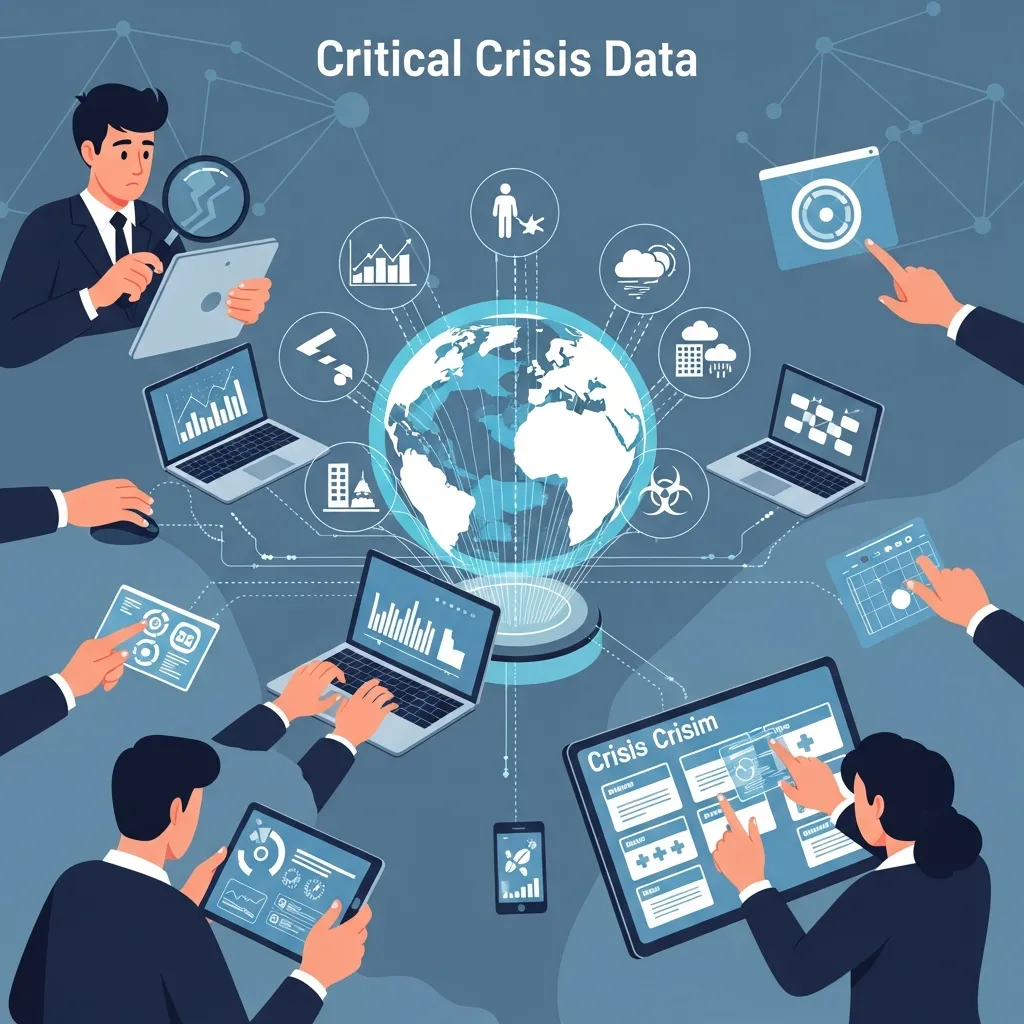
The foundation of any effective post-crisis analysis is a comprehensive and well-structured data repository. In the aftermath of a major disruption, relevant data points can be dispersed across multiple systems, teams, and external channels. Without a centralized hub, vital information may be overlooked, impeding your ability to derive actionable insights. To build a robust dataset, focus on three key categories:
Internal Documentation
Compile incident logs, system alerts, helpdesk tickets, security notifications, and any operational records detailing how the event unfolded. If your organization uses a ticketing system or incident management platform, export time-stamped entries to ensure accuracy. These internal documents form the backbone of your investigation, revealing the chronology of events and the decisions made at pivotal moments.
Communication Archives
Gather every piece of correspondence related to the crisis, including emails, press releases, social media posts, chat transcripts, and public statements. A thorough review of communications uncovers messaging gaps, response delays, and potential areas of confusion. Leveraging advanced archiving tools or partnering with specialists—such as protocols recommended by FEMA—can streamline this process and guarantee data integrity.
Stakeholder Feedback
Solicit perspectives from customers, partners, regulators, and employees who were directly affected by the event. Deploy surveys or conduct interviews to capture their experiences, concerns, and suggestions. External viewpoints often highlight blind spots that in-house teams may miss. Consolidating this feedback alongside internal metrics creates a more holistic view of the crisis and informs more balanced recommendations.
Implement a reliable version control system or a secure digital vault to track data revisions. Incorporate metadata such as timestamps, user annotations, and source identifiers to maintain transparency in your post-crisis analysis. Today’s advanced platforms can automate data ingestion from multiple streams—email servers, cloud storage, social listening tools—and normalize diverse formats into a single view. The smoother your data pipeline, the faster your team can progress to root-cause identification and corrective actions.
By establishing a clear data collection structure, you lay the groundwork for a meaningful post-crisis analysis. Centralizing inputs not only accelerates the review process but also ensures that no critical detail slips through the cracks. With this unified dataset, your team can move confidently into debriefing sessions, armed with evidence-based insights rather than anecdotal recollections.
Learn the essentials of managing disruptions effectively with our Social Media Crisis Management: A Complete Guide.
Facilitating Structured Team Debriefings

After consolidating all relevant data, the focus shifts to bringing together cross-functional teams for structured debriefings. Effective collaboration is critical to capturing varied perspectives and ensuring that the post-crisis analysis accurately reflects real-world experiences. To facilitate productive sessions, consider these best practices:
Setting a Clear Agenda
Before the meeting, distribute an agenda that outlines objectives, time allocations, and discussion topics. Include key questions such as “What triggered the initial alert?” or “Which communication channels experienced the longest delays?” By defining these focal points, you guide participants toward meaningful contributions rather than unfocused commentary. Agendas also help track progress and maintain accountability for action items.
Encouraging Open Dialogue
Create a safe and nonjudgmental environment where participants feel comfortable sharing candid feedback. Leaders should model vulnerability by acknowledging shortcomings and inviting honest critique. Use facilitation techniques like round-robin sharing, silent brainstorming, or anonymous polling to ensure all voices are heard. Engaging a neutral moderator—internal or external—can prevent dominant personalities from steering the conversation and keep the group aligned.
Recording Insights
Document every idea, observation, and question that arises during the debriefing. Utilize collaborative tools such as shared digital whiteboards, real-time transcripts, or audio/video recordings to capture nuanced details that written notes might miss. Label insights by theme—process, technology, people, and external factors—to simplify later analysis. Accurate documentation is the linchpin of a successful post-crisis analysis, allowing your team to review and validate findings long after the session concludes.
Time-box each discussion segment to maintain momentum, and assign a scribe to flag unresolved questions for follow-up interviews. Following the initial debrief, schedule one-on-one conversations with stakeholders who require a deeper exploration of specific challenges. This two-tiered approach balances comprehensive coverage with efficiency, ensuring that your post-crisis analysis captures both breadth and depth of experiences.
Categorizing Root Causes
To ensure a comprehensive post-crisis analysis, root causes should be organized into clear categories. This approach helps teams focus their improvement efforts effectively. Below is a table summarizing the key categories, examples of root causes, and recommended actions:
| Category | Examples of Root Causes | Recommended Actions |
|---|---|---|
| People | – Training gaps – Communication breakdowns – Lack of accountability | – Conduct regular training – Improve internal communication channels |
| Processes | – Outdated workflows – Inefficient escalation protocols – Lack of documentation | – Streamline workflows – Update escalation procedures |
| Technology | – Tool limitations – System outages – Lack of automation | – Upgrade tools – Implement automated monitoring systems |
| External Influences | – Regulatory changes – Vendor reliability issues – Natural disasters | – Build vendor contingency plans – Monitor regulatory updates |
By categorizing findings into these four areas—People, Processes, Technology, and External Influences—organizations can address every dimension of risk and create a targeted action plan for improvement.
Understand the Common Causes of Social Media Crisis to proactively mitigate risks.
Pinpointing Root Causes and Measuring Performance
Once data is collected and debriefings are complete, the next step in post-crisis analysis is identifying root causes and evaluating performance against key metrics. This phase uncovers weaknesses and measures the effectiveness of your crisis response.
Steps to Pinpoint Root Causes and Measure Performance:
-
Applying Root-Cause Techniques
- Use methods like the “5 Whys” or fishbone (Ishikawa) diagrams to trace issues to their original triggers.
- Example: If customer service response times lag, ask “Why?” repeatedly to identify the root cause (e.g., understaffing, unclear protocols, or outdated tools).
- Document each layer of questioning for transparency.
-
Categorizing Findings
- Group root causes into four categories:
- People: Training gaps, communication breakdowns.
- Processes: Outdated workflows or inefficiencies.
- Technology: Tool limitations or failures.
- External Influences: Regulatory changes, vendor reliability.
- This categorization ensures a comprehensive action plan.
- Group root causes into four categories:
-
Evaluating Key Metrics
- Compare performance data against benchmarks like:
- Time-to-detection and time-to-response.
- Stakeholder satisfaction scores.
- Volume of adverse media coverage.
- Use dashboards or charts to visualize trends and spot anomalies.
- Refer to established standards (e.g., Harvard Business School guidelines) to set realistic targets.
- Compare performance data against benchmarks like:
Why This Matters:
Quantitative evaluation transforms observations into actionable insights. By combining root-cause analysis with performance metrics, you gain a balanced view of your crisis response, identify priority areas, and guide investments in resilience. Learn more about effective crisis evaluation techniques from social media crisis management.
This structured approach builds credibility, fosters transparency, and ensures your organization is better prepared for future challenges.
Explore Social Media Crisis Management Best Practices to strengthen your response strategies.
Engaging Stakeholders and Driving Quick Improvements

Post-crisis analysis extends beyond internal teams; it requires active engagement with external stakeholders to validate findings and co-create solutions. Incorporating diverse viewpoints not only uncovers hidden blind spots but also fosters trust and collaboration. Concurrently, implementing immediate improvements sustains momentum and demonstrates commitment to change.
Collecting External Perspectives
Survey customers, vendors, regulatory bodies, and community leaders who were affected by the crisis. Craft targeted questions about communication clarity, response speed, and overall satisfaction. Use a mix of online surveys, interviews, and focus groups to capture nuanced feedback. External input complements internal observations and can challenge assumptions, ensuring your insights remain grounded in real-world experiences.
Implementing Quick Wins
Identify low-effort, high-impact actions that can be executed rapidly to address the most glaring deficiencies. This may involve updating contact lists, refining escalation protocols, or deploying automated alerts on critical systems. Assign clear owners, set tight deadlines, and publicize completed quick wins to maintain stakeholder confidence. Quick wins showcase tangible progress and build buy-in for longer-term initiatives.
Planning Long-Term Initiatives
While quick wins can deliver early victories, sustainable resilience requires strategic projects. Prioritize initiatives such as investing in updated monitoring software, revising governance frameworks, or rolling out comprehensive crisis management training. Define success criteria, allocate resources, and establish milestones for each initiative. Integrating these projects into your annual planning cycle—this year (2026)—ensures accountability and aligns improvements with organizational goals.
By blending stakeholder engagement with a balanced mix of quick fixes and strategic investments, organizations can close feedback loops effectively. This collaborative and phased approach is central to a robust post-crisis analysis, enabling teams to learn, adapt, and strengthen defenses against future disruptions.
Formalizing Learnings and Refreshing Crisis Plans
The final step in a comprehensive post-crisis analysis is formalizing insights and integrating them into your crisis management framework. This ensures your organization remains agile and prepared for future challenges.
Key Steps to Formalize Learnings:
-
Structuring After-Action Reports
- Create a standardized report with sections like:
- Event Summary: Overview of the crisis timeline.
- Key Findings: Highlight critical root causes.
- Lessons Learned: Summarize insights gained.
- Action Items: List recommended corrective measures.
- Use visual aids like timelines and flowcharts to improve clarity and readability.
- Create a standardized report with sections like:
-
Updating Crisis Playbooks
- Incorporate insights into crisis playbooks, response templates, and communication scripts.
- Revise decision trees, escalation pathways, and stakeholder contact lists.
- Ensure all updates are documented and accessible via a centralized platform or intranet.
-
Disseminating New Procedures
- Share updated materials with relevant teams and departments.
- Conduct workshops, simulations, or tabletop exercises to reinforce understanding.
- Schedule periodic reviews to refine crisis plans and keep them aligned with evolving risks.
By formalizing learnings, organizations can transform temporary fixes into lasting improvements. Regular updates to playbooks and consistent training ensure faster response times, reduced confusion, and stronger stakeholder trust during future crises.
Frequently Asked Questions
What is post-crisis analysis, and why is it important?
Post-crisis analysis is a structured review process that examines how an organization responded to a disruptive event. It identifies root causes, evaluates performance metrics, and captures lessons learned to improve future resilience. This ongoing commitment helps teams convert setbacks into opportunities for growth and maintain stakeholder trust.
How often should organizations conduct a post-crisis analysis?
Ideally, a post-crisis analysis should follow every significant incident or near miss. Embedding it into your crisis management routine—alongside regular drills and simulations—ensures that insights remain fresh and playbooks stay aligned with evolving risks.
Who should be involved in the post-crisis analysis process?
Cross-functional teams—including operations, IT, communications, legal, and external stakeholders—should participate. Bringing together diverse perspectives ensures a comprehensive review and fosters collaboration on actionable improvements.
What is post-crisis analysis, and why is it essential?
Post-crisis analysis is a structured review process that evaluates an organization’s response to disruptive events. It identifies root causes, measures performance, and captures lessons learned to improve future crisis management and resilience.
How does post-crisis analysis improve crisis response?
By analyzing data, identifying weaknesses, and refining protocols, post-crisis analysis helps organizations avoid repeating mistakes, scale best practices, and enhance readiness for future disruptions.
When should organizations conduct a post-crisis analysis?
Organizations should conduct post-crisis analysis after every significant incident or near miss. Regular reviews, alongside drills and simulations, ensure insights remain actionable and plans stay aligned with evolving risks.
Who should be involved in the post-crisis analysis process?
Cross-functional teams—including operations, IT, communications, legal, and external stakeholders—should participate. Diverse perspectives ensure a comprehensive review and actionable improvements.
What tools can streamline post-crisis analysis?
Advanced analytics platforms, collaborative tools, and centralized data repositories simplify data collection, root-cause analysis, and performance tracking, enabling faster and more effective crisis response improvements.
Conclusion
Conducting a thorough post-crisis analysis is not a one-off exercise but an ongoing commitment to organizational resilience. By systematically gathering data, facilitating structured debriefings, identifying root causes, measuring performance, engaging stakeholders, and formalizing learnings, you convert disruptive events into catalysts for continuous improvement. In today’s fast-paced environment, only those who learn quickly and adapt decisively will maintain trust, protect brand reputation, and thrive amidst uncertainty. Integrate these practices into your crisis management routine, and you’ll be better equipped—supported by data, bolstered by collaboration, and guided by proven frameworks—to face challenges with confidence.


I’m a communication strategist and blogger at SMCrisis, where I cover topics on social media crises, digital reputation, and brand trust. I enjoy helping businesses stay prepared and proactive in the fast-changing online world. Every post I write aims to guide readers toward smarter crisis responses and stronger digital credibility.



No Comments