


When social media turns against a brand, rapid escalation can damage reputation, revenue, and trust. With proactive planning, early detection, and strategic response frameworks, businesses can manage crises effectively and emerge stronger from digital backlash.
Social media platforms offer incredible opportunities for brands to connect with their audiences, but they also expose companies to unprecedented vulnerabilities. A single misunderstood post, a viral customer complaint, or a leaked internal memo can rapidly escalate, damaging years of hard-earned brand equity. The harsh reality is not a matter of if you will face turbulence, but how prepared you are when social media turns against your organization.
In an era dominated by digital interactions, a brand’s fate can shift overnight based on the intensity of social media conversations. Business leaders and marketing professionals must recognize the reality that “when social media turns against you,” no industry, niche, or scale of operation is immune. Everyone—from multinational corporations to local entrepreneurs—shares this space and its unique challenges. The protective shields that once isolated companies from public scrutiny have all but vanished.
This comprehensive guide dissects the anatomy of an SM crisis and provides actionable frameworks to protect your reputation. You will learn to identify common crisis causes, measure the true cost of a marketing crisis, and build a robust response strategy that helps your brand emerge stronger. As you read, remember that the lessons described here are not just theoretical—they’re drawn from real-world incidents and best-practice frameworks utilized by successful brands globally.
Understanding Why Social Media Turns Against Brands
When social media turns against your brand, the speed of escalation can feel overwhelming. An SM crisis occurs when negative sentiment, damaging content, or viral backlash spreads rapidly across digital platforms, threatening your company’s reputation and daily operations. To manage these situations effectively, we must first understand the root crisis causes and how digital outrage builds momentum.
The Modern Social Media Landscape
The scope and scale of social media amplification are unparalleled in today’s marketing world. Algorithms are designed to promote emotionally charged content—which means that negative news, controversial opinions, and public disputes get priority placement in feeds. Brands, therefore, face a double-edged sword: reach and discoverability are at an all-time high, but so is the risk of exposure when things go wrong.
Many brands mistakenly believe that an SM crisis only happens to large corporations with millions of followers. However, local businesses, niche startups, and mid-sized enterprises are equally vulnerable. The digital landscape amplifies voices, meaning a single dissatisfied customer can reach millions of people in a matter of hours. When social media turns against you, the initial trigger often seems insignificant—a poorly worded tweet, an awkward marketing image, or a slight delay in customer service. Yet, without proper monitoring and swift action, these small sparks ignite massive digital wildfires. Given this reality, developing an organizational mindset that anticipates challenges and values transparency is essential.
The Power of Virality and Social Proof
Social proof—how much people believe something because it seems widely endorsed—plays a massive role in fueling social media turns against brands. Negative stories gain traction because every comment, share, or “like” boosts their visibility and suggests legitimacy, even if the original complaint was isolated or exaggerated. This phenomenon often snowballs into an SM crisis, making crisis causes both unpredictable and far-reaching.
Key Crisis Causes: Where Problems Begin
To effectively navigate a marketing crisis, you must identify the core crisis causes that typically trigger backlash. Common sources of digital crises include:
- Customer service failures going viral: A single unresolved complaint escalates when shared with proof, such as screenshots or videos. These posts can quickly go viral, sparking others to share similar negative experiences.
- Tone-deaf marketing campaigns: Content that ignores cultural sensitivities or current events, leading to a massive marketing crisis. Audience segments expect brands to be socially aware, and failure in this area can lead to unforgiving criticism.
- Employee misconduct: Inappropriate behavior by staff members, either online or offline, that reflects poorly on the brand’s values. Companies are judged not just for their official stance, but for their team’s behavior both within and outside of work.
- Product safety issues: Immediate backlash when users share their negative or dangerous experiences with a physical product. Today’s consumers rely heavily on peer reviews, and negative word-of-mouth can spread fast.
- Data privacy breaches: Security incidents that erode consumer trust and prompt users to demand accountability online. Mishandling data is a surefire way to incur widespread digital outrage.
As your team works to identify these crisis causes, ensuring your internal systems operate smoothly is vital. Streamlining your digital infrastructure helps maintain clear communication. For instance, you can use workflow optimization resources to keep your website and internal updates running efficiently during turbulent times.
The Lifecycle of an SM Crisis
When social media turns against a brand, the crisis typically follows a predictable lifecycle. Understanding these phases allows teams to intervene before the damage becomes irreversible. Let’s delve deeper into these stages to ensure your team is always a step ahead.
Phase 1: The Spark
Every marketing crisis begins with an initial incident. This could be a controversial advertisement, an offensive comment made by an executive, or a flawed product launch. At this stage, the crisis causes are isolated, and only a small subset of users are aware of the issue. Swift, transparent action here can prevent escalation.
Phase 2: The Amplification
If the brand ignores the spark, users begin sharing the content. Influencers or activist accounts might pick up the story, amplifying the negative sentiment. When social media turns against your company at this stage, the volume of mentions increases exponentially, and the narrative shifts out of your control. At this point, traditional PR tactics may not suffice—brands must engage with their audiences directly, using empathy and transparency to slow the cycle.
Phase 3: The Peak
Mainstream media outlets notice the viral outrage and publish articles about the SM crisis. At this point, the public demands an immediate, transparent response. The pressure on leadership and public relations teams reaches its highest level. A well-managed response is crucial here: clear, direct statements and demonstrated accountability are the only way to start regaining control.
Common Crisis Causes and Their Impact
The following table outlines prevalent crisis causes, escalation speed, and likely impact:
|
Crisis Category |
Description of Crisis Causes |
Initial Escalation Speed |
Potential Brand Impact |
|---|---|---|---|
|
Insensitive Marketing |
Campaigns that miss cultural marks and offend demographics. |
Very Fast |
High loss of trust, immediate boycott. |
|
Executive Missteps |
Public figures/leaders acting against stated values. |
Fast |
Reputation damage, calls for resignation. |
|
Product Failure |
Defective or dangerous items causing harm or disappointment. |
Medium |
Financial loss, recalls, long-term doubt. |
|
Poor Customer Service |
Disregarded complaints gaining traction through sharing. |
Slow to Medium |
Erosion of loyalty, rise in bad reviews. |
|
Security Breaches |
Hackers exposing customer data to the public. |
Fast |
Legal issues, major loss of trust. |
The Anatomy and Cost of a Marketing Crisis
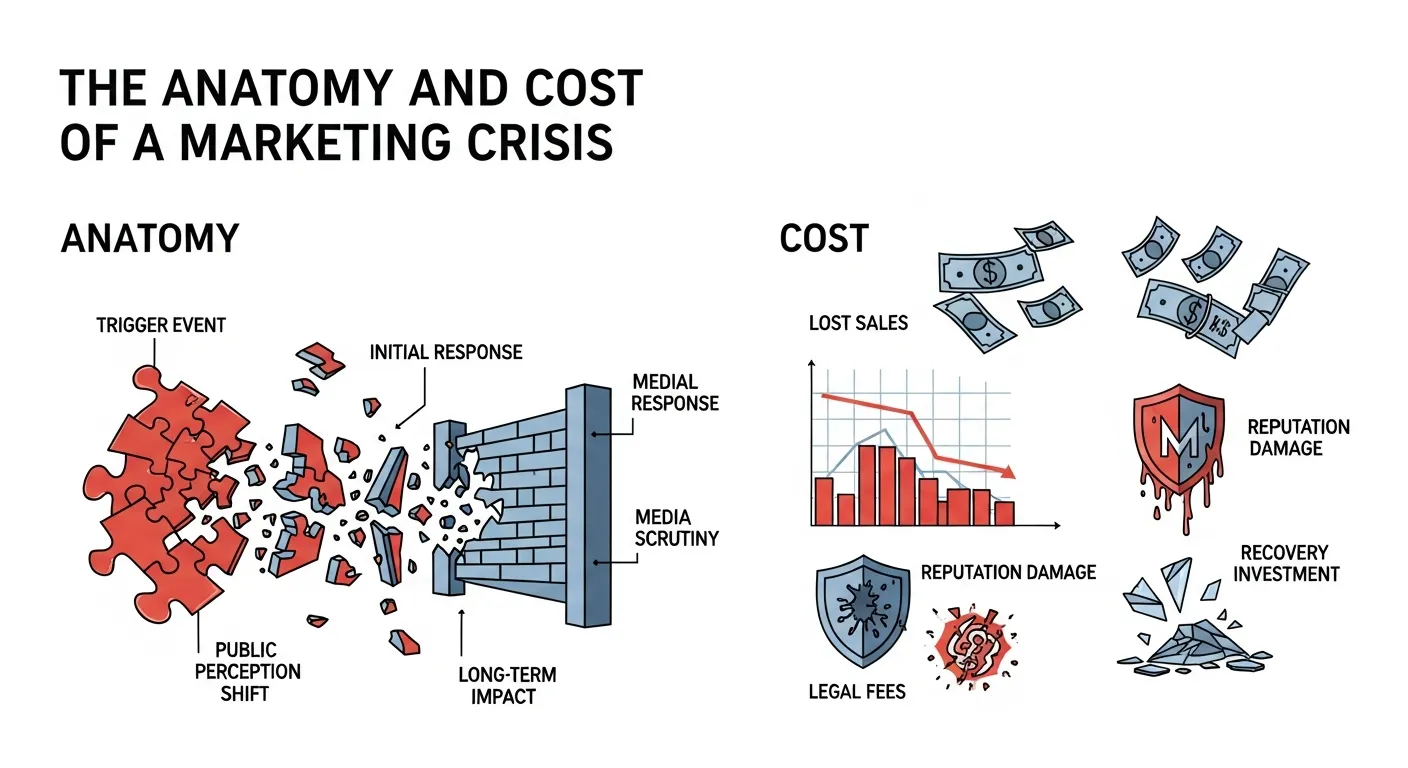
When social media turns against a company, the fallout extends far beyond angry comments and lost followers. A full-blown marketing crisis impacts every facet of the business, from financial stability to internal employee morale. Brands that fail to grasp the severity of an SM crisis often deploy inadequate responses, worsening the situation and prolonging the recovery period.
Financial, Reputational, and Operational Toll
The financial consequences of a digital crisis can devastate a company’s quarterly earnings. When social media turns against your brand, consumer boycotts often lead to immediate drops in sales. Furthermore, companies frequently have to pause all ongoing advertising campaigns to avoid appearing tone-deaf while dealing with the backlash. This means that thousands, or even millions, of dollars spent on a marketing campaign are entirely wasted. Customer acquisition costs skyrocket because the brand must invest heavily in public relations campaigns to rebuild basic trust before they can even attempt to sell their products again.
Long-Term Reputation Damage
Reputation damage is another severe consequence when social media turns against an organization. Trust is built over decades but can be dismantled in minutes. The digital footprint of an SM crisis is permanent. Years after the incident, potential customers searching for your brand will still find articles, videos, and threads detailing the marketing crisis. This persistent negativity affects not only consumer behavior but also corporate partnerships and investor relations. Everyday, brands are evaluated not just by new customers, but also by potential partners, job candidates, and even regulators.
Employee Impact
Amid a marketing crisis, organizations must also consider their own teams. Employees experience confusion, frustration, and in severe cases, embarrassment about their public affiliation with the brand. Internal culture may be shaken, especially if the crisis causes stem from leadership missteps or inadequate company values. Increasing your focus on internal communication while handling external flare-ups is an often overlooked—but decisive—best practice.
To mitigate these costs, businesses must aggressively monitor brand mentions and sentiment. Keeping a close eye on digital conversations is non-negotiable. Implementing robust analytical systems ensures you have the data needed to track negative sentiment before it spirals out of control.
Operational Disruption During an SM Crisis
When social media turns against a brand, normal operations come to a grinding halt. Leadership teams must divert their entire focus away from growth and innovation, pouring all their energy into crisis management.
- Overwhelmed Support Teams: Customer service departments face an influx of aggressive emails, calls, and messages, leading to massive delays in helping legitimate customers.
- Paralyzed Marketing Departments: Social media managers must halt scheduled content, rewriting their entire strategy to address the ongoing marketing crisis.
- Internal Communication Breakdowns: Employees often feel confused and demoralized, especially if leadership fails to provide clear internal guidance regarding the crisis causes.
- Legal Interventions: Legal teams must review every public statement to ensure the brand does not admit to liabilities that could result in lawsuits.
Brand Storytelling Interrupted
Marketing crises also disrupt proactive content strategies and brand storytelling. When social media turns against a company, the public will interpret even the most innocent campaign through a negative lens, hijacking hashtags and rallying criticism in the comments. This effect often lasts long after the initial incident as digital memory is lengthy and search results are persistent.
Learning from Poor Crisis Responses
Many brands worsen their situation by issuing poor apologies. When social media turns against you, a generic, legally vetted apology often feels cold and insincere. Customers can easily detect when a brand is deflecting blame rather than taking accountability for the crisis causes. In the world of digital marketing crises, tone and empathy matter just as much as speed.
For example, responding to a marketing crisis by saying, “We are sorry if anyone was offended,” shifts the blame onto the audience’s feelings rather than the brand’s actions. Instead, successful crisis recovery requires genuine empathy, clear accountability, and a detailed plan outlining how the company will prevent the issue from happening again. Specificity in your response—naming the crisis causes and the concrete actions you’re taking—helps reassure stakeholders that you’re not simply waiting for the storm to pass.
Case in Point: Brand Recovery Paths
Some organizations have navigated their crises with grace, offering not only corrective action but also demonstrating humility and a willingness to learn. Others faltered with defensive or dismissive statements, intensifying the backlash and ensuring the memories linger for years. Examining both approaches provides valuable insights for brands preparing their own response plans.
Measuring the Financial Impact of an SM Crisis
The following table provides a snapshot of the short- and long-term consequences for key business areas:
|
Financial Area |
Immediate Impact (Days 1-7) |
Long-Term Impact (Months 1-12) |
|---|---|---|
|
Direct Sales |
Sharp decline due to viral boycotts. |
Slow recovery; higher customer acquisition costs. |
|
Ad Spend |
Wasted budget on paused marketing campaigns. |
Increased budget required for reputation repair. |
|
Stock Value |
Rapid drop as investors react to negative news. |
Gradual stabilization depending on crisis resolution. |
|
Legal Fees |
Immediate retainer fees for crisis counsel. |
Prolonged costs for settlements or ongoing litigation. |
Building a Strategy to Survive When Social Media Turns Against You
Surviving an SM crisis requires meticulous preparation. You cannot wait until social media turns against your brand to start drafting a response plan. A proactive crisis management framework ensures that when a marketing crisis hits, your team acts with precision, empathy, and speed. Understanding your crisis causes and having predefined protocols in place will mean the difference between a minor speed bump and a catastrophic brand failure.
From Prevention to Recovery: Key Pillars
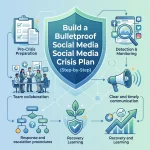
The foundation of any solid crisis strategy is prevention. Establish comprehensive social media guidelines for all employees, dictating what is appropriate to share online. Train your marketing and customer service teams to recognize the early warning signs of an SM crisis. Early detection relies heavily on active social listening. By monitoring brand mentions, industry keywords, and sentiment shifts, you can identify potential crisis causes before they reach phase two of the crisis lifecycle.
A prepared brand should maintain a detailed crisis playbook. This document should outline team responsibilities, escalation paths, pre-approved response templates, and contact information for legal and PR advisors. Assign clear roles—public spokespersons, digital community managers, legal liaisons—to minimize delay and confusion.
Proactive Relationship Management
Regularly nurturing relationships with key influencers, partners, and media outlets can help soften the blow should an SM crisis occur. Additionally, cultivating a reputation for transparency and accountability builds public goodwill, which can buffer your company from the harshest criticisms if crisis causes arise.
Timely and Accurate Response
When social media turns against your company, the speed of your response matters immensely. However, accuracy and empathy matter more. Rushing out a defensive statement usually backfires. Instead, rely on a structured escalation protocol. Your team should know exactly who has the authority to approve public statements, pause marketing campaigns, and engage with upset customers.
Technology plays a pivotal role here. Utilizing collaboration platforms designed for crisis management helps coordinate responses and reduce human error. Investing in reliable infrastructure allows cross-functional teams to work together seamlessly during a marketing crisis, ensuring that your brand voice stays consistent across all platforms.
Platform-Specific Response Tactics
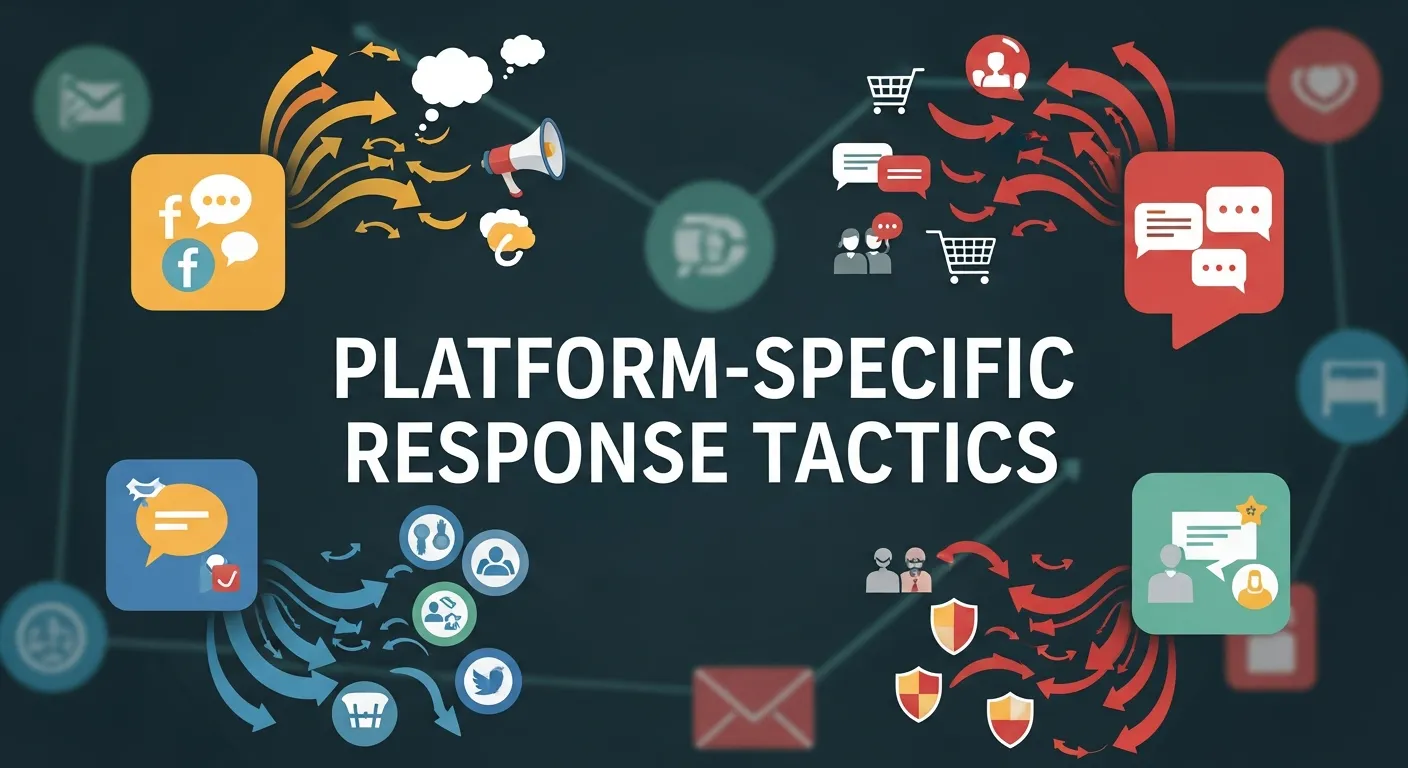
Different social media platforms require different crisis management approaches. When social media turns against you, tailoring your message to the medium is crucial.
Twitter: Managing the Speed Challenge
Twitter is usually ground zero for an SM crisis. The platform’s fast-paced nature means misinformation spreads rapidly. Use Twitter threads to provide comprehensive, easily readable updates. Ensure that every single tweet in the thread provides context, as users frequently retweet individual posts out of order. Consider using visuals like infographics and short videos to communicate key points quickly.
Facebook: Controlling the Community Narrative
Facebook allows for long-form apologies and detailed explanations. However, the comment sections can quickly become toxic echo chambers. Active community moderation is essential. Clearly state your page’s rules and remove comments that violate hate speech or harassment policies, but never delete legitimate criticism, as this exacerbates the marketing crisis. Facebook events and Live sessions can also help your brand appear accessible and responsive in real-time.
Instagram: Delivering Visual Empathy
Instagram requires a visual approach to crisis management. A simple text graphic explaining your stance can be highly effective. Use Instagram Stories for real-time, authentic updates from company leadership. Seeing a human face taking accountability helps calm the storm when social media turns against a brand. Additionally, consider collaborating with well-regarded creators who embody your brand values to help restore your image organically.
Essential Components of a Crisis Response Plan
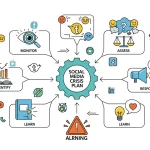
- Designated Crisis Team: A specific group of decision-makers, including PR, legal, and executive leadership, ready to mobilize instantly.
- Pre-approved Message Templates: Fill-in-the-blank templates for various crisis causes (e.g., outages, inappropriate posts) that speed up the initial response time.
- Clear Escalation Paths: Guidelines detailing exactly when an issue moves from customer service to the crisis management team.
- Internal Communication Plan: A strategy to keep employees informed so they do not inadvertently leak incorrect information to the public.
- Post-Crisis Review Protocol: A scheduled meeting to analyze the SM crisis, evaluate the response effectiveness, and update future strategies.
- Stakeholder Outreach: Specific lists and outreach methods to inform key partners, investors, and external stakeholders about your response.
Training and Simulation
Preparation doesn’t end with documentation. Schedule regular crisis simulations and role-playing sessions for your staff. These exercises reveal blind spots and help teams practice making high-stakes decisions under pressure. Your readiness to act quickly and calmly when social media turns against your brand rests on real-world rehearsal.
Monitoring the Recovery Process
How do you know if your recovery efforts are paying off? The most important metrics to track include sentiment scores, repeat engagement from customers, and changes in search engine results when customers look up your brand. Implement ongoing measurement tools, and don’t be afraid to adjust your approach based on what you learn.
Analyzing the Post-Crisis Recovery Phase
|
Recovery Phase Action |
Purpose |
Expected Outcome |
|---|---|---|
|
Post-Mortem Meeting |
Analyze what triggered the crisis causes. |
Identification of internal process failures. |
|
Sentiment Tracking |
Monitor if public anger is subsiding. |
Data-driven timeline for resuming normal marketing. |
|
Policy Updates |
Rewrite guidelines to prevent recurrence. |
Stronger preventative measures against future issues. |
|
Trust-Building Campaigns |
Launch initiatives that show core values. |
Gradual restoration of consumer confidence and loyalty. |
|
Long-Term Content Planning |
Develop content to reinforce positive changes. |
Ongoing improvement of brand reputation. |
Frequently Asked Questions (FAQ)
1. What is the first step a brand should take when social media turns against them?
The first step is to pause all automated marketing campaigns to avoid appearing tone-deaf. Next, acknowledge the issue publicly to show you are listening while you gather the facts. For more, see these comprehensive steps on handling this to build your initial response.
2. How do we identify the root crisis causes quickly during an ongoing incident?
You must trace the viral content back to its original source, whether it’s a customer review, an employee post, or a flawed campaign. Utilize social listening tools to analyze the earliest mentions of the issue. Discover more about tracking digital footprints to streamline your investigation.
3. When should we involve the media during a massive marketing crisis?
You should engage the media when you have a clear, factual statement that corrects widespread misinformation about your brand. Issuing a formal press release helps control the narrative outside of social platforms. Learn how to navigate these communications for better outcomes.
4. How can we tell the difference between a few trolls and a genuine SM crisis?
Trolls usually lack evidence and post to provoke an emotional reaction, while a genuine crisis involves coordinated, widespread negative sentiment backed by specific grievances. Look at the volume of mentions and the credibility of the accounts sharing the information. If verified users or media outlets engage, it is a real crisis.
5. Should we delete negative comments when social media turns against us?
Never delete legitimate customer complaints or negative feedback, as this creates accusations of censorship and worsens the marketing crisis. You should only remove comments that violate your community guidelines, such as hate speech, threats of violence, or blatant spam. Transparency builds trust during turbulent times.
6. How long does a typical SM crisis last before operations return to normal?
The acute phase of a digital crisis usually lasts between 24 and 72 hours if handled correctly with swift, empathetic communication. However, the long-term reputation repair and rebuilding of consumer trust can take several months or even years. The duration heavily depends on the severity of the initial crisis causes.
7. Is it necessary for the CEO to apologize publicly during a marketing crisis?
Executive involvement is highly recommended for severe crises involving systemic company failures, major security breaches, or significant public harm. Having a leader take personal accountability humanizes the brand and shows that the organization takes the issue seriously. For minor operational hiccups, a brand-level apology is usually sufficient.
8. What metrics should we track to know if our crisis management strategy is working?
Track the overall volume of brand mentions and the ratio of negative to positive sentiment across all social platforms. You should also monitor customer service ticket volumes and the engagement rates on your apology posts. A steady decrease in negative mentions indicates your strategy is effectively cooling the situation.
9. How do we rebuild employee morale after social media turns against our brand?
Internal transparency is vital; keep your staff informed about the crisis causes and the steps leadership is taking to fix the problem. Host town hall meetings where employees can ask questions and express their concerns safely. Reassure them about the company’s stability and provide mental health resources if the public backlash has been severely stressful.
10. Can an SM crisis actually have a positive outcome for a business?
Yes, if a brand handles a marketing crisis with exceptional transparency, speed, and empathy, they can actually increase long-term customer loyalty. A well-executed recovery demonstrates integrity and proves that the company values its customers over its ego. Resolving crisis causes effectively turns a negative spotlight into a showcase of strong corporate character.


I’m a passionate digital strategist and content creator focused on crisis communication, social media management, and online reputation. At SMCrisis, I share insights, tips, and real-world strategies to help brands navigate challenges, protect their image, and build trust in the digital space. My goal is to make crisis management simple, smart, and actionable for every business.








No Comments