


Social media crisis management software helps brands detect, respond to, and prevent online reputation threats. With real-time monitoring, sentiment analysis, and coordinated communication, businesses can manage crises effectively, protect trust, and turn challenges into growth opportunities.
Social media has radically changed the way businesses connect, communicate, and build relationships with customers. Platforms like Facebook, Twitter, Instagram, and LinkedIn now enable brands to reach millions in real time, foster two-way conversations, and humanize their business persona. According to recent studies, more than 72% of adults in the US use at least one social networking site for interacting with brands and making purchasing decisions. This level of access brings huge opportunities for marketing, brand awareness, and customer service.
However, the same speed and visibility that make social media powerful also introduce significant risk. A single dissatisfied customer, negative review, or accidental misstep can rapidly become a global headline. For example, in 2017, a major airline lost over $1 billion in value within days after a passenger incident went viral on Twitter and YouTube. Similarly, poorly timed hashtags or insensitive responses can lead to boycotts and lasting reputational damage. Recent surveys reveal that 88% of consumers are less likely to buy from a company that leaves complaints unresolved online.
This ever-present risk means that even small mistakes can escalate into a Social Media Crisis, severely threatening both brand perception and financial stability. That’s why social media crisis management software is now essential; it lets you consistently monitor digital sentiment, spot issues before they explode, and take immediate action to contain an SM crisis before it inflicts lasting harm.
This guide explores how Social Media Crisis software works, must-have features for your brand, and the best SM crisis tools available to keep your business prepared and resilient.
Understanding the Social Media Crisis Landscape
A Social Media Crisis is a disruptive event where negative feedback or damaging content spreads rapidly across digital platforms, threatening your organization’s reputation and demanding immediate, coordinated action. Unlike isolated customer complaints, a real marketing crisis quickly gains visibility—through viral posts, trending hashtags, or widespread media coverage—and can inflict significant damage to both public perception and bottom line. For example, United Airlines experienced a staggering $1 billion loss in market value after videos of a passenger being forcibly removed circulated on Twitter and YouTube. Similarly, Pepsi’s attempt at a “woke” ad campaign in 2017 faced instant backlash for appearing tone-deaf to social justice issues, prompting the company to pull the ad and issue a public apology within hours. In both cases, the companies found themselves at the center of negative headlines, facing boycotts and declining trust that lingered well after the immediate crisis was resolved. These incidents demonstrate that a Social Media Crisis often escalates in real time, leaving brands little room for error and underscoring the value of swift detection and response. This type of crisis can spring from product recalls, viral customer complaints, controversial content, or any narrative that sparks mass online outrage, bringing lasting consequences if not addressed promptly and strategically.
Why SM Crisis Tools Are Essential
SM crisis tools are vital because they empower organizations to detect, respond to, and recover from threats that spread at lightning speed across social media platforms. Imagine a scenario where a negative customer experience goes viral overnight, or a product issue is uncovered by influential bloggers—the immediate detection and coordinated response enabled by SM crisis tools can be the difference between quick resolution and a severe reputation hit. These tools not only send instant alerts but also provide centralized dashboards for effective communication among marketing, PR, and customer support, ensuring everyone works from the same playbook in the heat of the moment. Consider, for example, how the right software allowed a global retailer to rapidly identify and address a boycott hashtag before it reached mainstream news, minimizing financial fallout and restoring customer trust. Or how automated monitoring flagged a false rumor about a tech company, triggering a prompt, unified clarification that kept stakeholders informed and reassured. Ultimately, these tools are essential because they let you control the narrative, safeguard brand trust, and build resilience to any future Social Media Crisis.
- Early Detection: Automated monitoring spots a potential Social Media Crisis before it goes viral.
- Efficient Communication: Streamline team collaboration and messaging during an SM crisis.
- Reputation Protection: Prompt action preserves your brand’s public image and trust.
- Post-Crisis Insights: Analyze how you responded to one Social Media Crisis to prepare for the next.
For optimized workflows before a crisis, see workflow tools for business.
The Anatomy of a Marketing Crisis
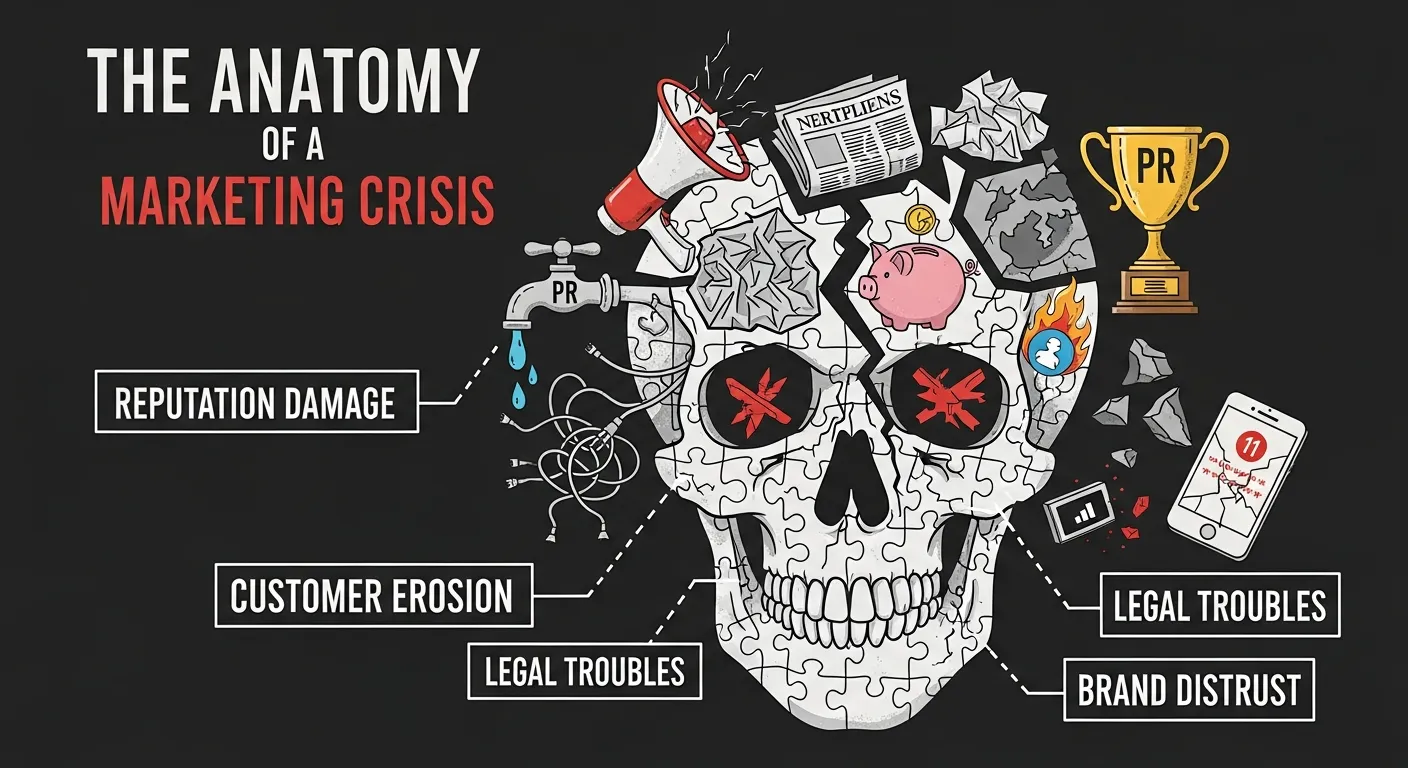
A marketing crisis can be triggered by various factors, such as an insensitive advertising campaign, product recalls due to quality issues, miscommunication on social media, or even a high-profile customer complaint gone viral. An ill-timed or tone-deaf message—like a campaign that inadvertently offends a group—or a failure to respond to negative feedback can instantly bring unwanted global attention. Additionally, technical failures, such as data breaches or misleading product claims, can spark a wave of criticism online. When these scenarios unfold, negative comments and complaints can surge across platforms like Twitter, Facebook, and Instagram. If left unmanaged, such issues can escalate within hours, damaging brand reputation, eroding customer trust, and sometimes resulting in dropped sales or stock value. For example, an international clothing retailer faced backlash when a culturally insensitive ad went viral, prompting calls for a boycott and a public apology. That’s why it’s vital to have SM crisis tools. These platforms collect and analyze data from every social network, notify you of emerging threats, and help your team coordinate a quick, consistent response to limit damage and regain control of the narrative.
Key Features and Leading SM Crisis Tools
Selecting the right Social Media Crisis management software is a critical decision for any organization that values its reputation and customer trust. The ideal solution should offer more than just basic monitoring—it needs to enable rapid identification of issues, facilitate real-time team collaboration, and provide actionable insights to guide your response. When assessing SM crisis tools, consider key factors such as platform compatibility, scalability, ease of integration with your existing marketing ecosystem, and the depth of analytics provided. Additionally, software that includes automated alerts, customizable dashboards, and robust sentiment analysis can give your brand a decisive advantage during high-pressure situations. The right platform not only helps you contain damage before it spreads but also supports transparent communication, centralizes messaging across departments, and delivers detailed post-crisis reporting to help refine your response strategy. Ultimately, investing in the right Social Media Crisis management software empowers your team to act proactively, maintain public trust, and emerge stronger from any marketing crisis.
Essential Features of SM Crisis Tools
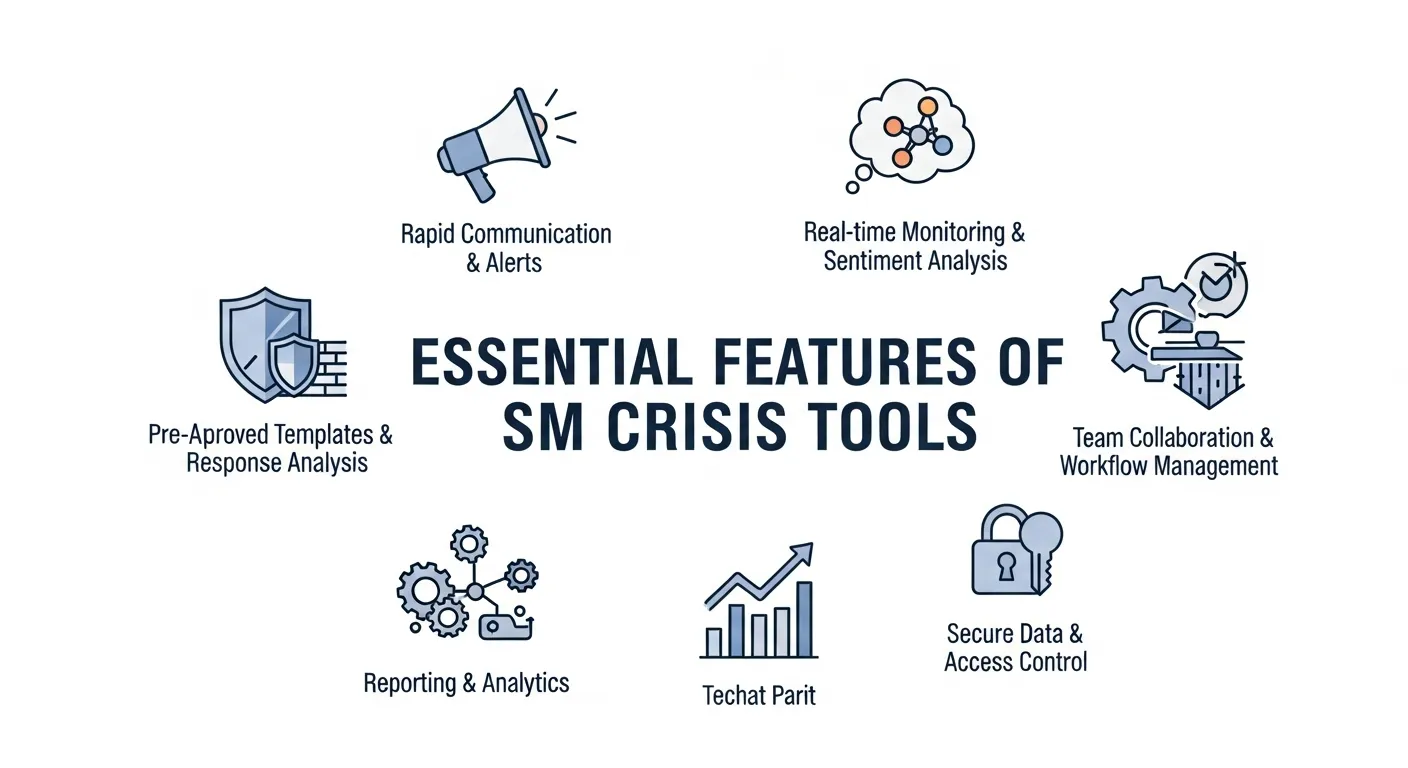
- Real-Time Monitoring: Continuous tracking for your brand, competitors, and key terms—a must for acting on critical Social Media Crisis signals.
- Sentiment Analysis: AI tools detect sudden spikes of negative sentiment to warn your team before a marketing crisis snowballs.
- Crisis Alerts: Automated notifications let you respond quickly when digital activity signals a problem.
- Central Communication: Centralized dashboards align Marketing, PR, and Legal teams for clear, consistent messaging during an SM crisis.
- Advanced Analytics: Post-crisis reports help strengthen your responses and prevent future Social Media Crisis events.
For further details on selecting monitoring and tracking tools, explore this guide to tracking tools for business success.
Comparing Popular SM Crisis Tools
|
Tool Name |
Best For |
Key Features |
Pricing Model |
|---|---|---|---|
|
Hootsuite |
Monitoring across platforms |
Realtime alerts, keyword tracking, analytics |
Subscription-based |
|
Brandwatch |
Large brand analysis |
AI-driven sentiment, deep filtering |
Enterprise pricing |
|
Sprout Social |
Teams & collaboration |
Social listening, task assignments, templates |
Tiered subscription |
|
Mention |
Small teams |
Broad brand monitoring, sentiment detection |
Affordable tiers |
|
Zendesk |
Customer-facing response |
Complaint management, integrated messaging |
Subscription-based |
Choose software based on business size and use case. Sprout Social is ideal for collaboration, while Brandwatch excels in advanced analytics for complex Social Media Crisis responses.
Strategies for Preventing and Managing a Marketing Crisis
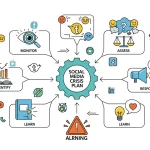
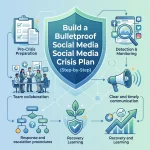
While having the best Social Media Crisis management tools forms a crucial foundation, a comprehensive response strategy is what ensures those tools are used to their fullest potential. Even the most advanced SM crisis tools are only as effective as the plan guiding your team’s decisions, communications, and follow-up actions. A well-prepared response strategy outlines clear workflows, escalation procedures, messaging templates, and approval processes, so that—under pressure—every team member knows their role and the steps to take. For instance, during a major tech company’s product recall, a pre-established crisis plan allowed the brand to break the news itself, issue a rapid apology, and update customers in real time across all channels. This transparency prevented rumors from spreading and demonstrated accountability, helping the company retain customer trust despite the setback. Similarly, quick action and coordinated messaging helped a retail brand turn a wave of negative attention from a public complaint into a story of customer care and resolution. In both cases, strategic preparation—combined with digital SM crisis tools—transformed immediate threats into opportunities for positive engagement. Ultimately, the synergy between robust tools and a practiced, adaptable response strategy is what empowers brands to confidently manage and overcome any Social Media Crisis.
Best Practices for Social Media Crisis Management
- Build a Crisis Plan: Define clear roles and steps so everyone knows what to do the moment a Social Media Crisis begins.
- Team Training: Regularly train staff to use SM crisis tools effectively, so actions are swift and accurate.
- Proactive Monitoring: Use your tools to track mentions and sentiment, staying a step ahead of potential marketing crises.
- Transparency Matters: Address problems openly—honest, clear communication reassures your audience and restores trust.
- Continuous Improvement: After each Social Media Crisis, analyze outcomes and adjust your strategy for better future results.
Integrate your Social Media Crisis management process with broader marketing tools for even more protection—see this brief marketing tools & software guide.
Turning Crisis into Opportunity
A Social Media Crisis isn’t just a threat—it can also be a unique opportunity to show your brand’s integrity and commitment to your audience. When you respond swiftly, transparently, and use robust SM crisis tools, your customers are likely to notice and appreciate your accountability. Brands that handle a marketing crisis effectively often emerge with a stronger reputation than before the incident. For example, when KFC in the UK faced a high-profile chicken shortage that temporarily closed hundreds of locations, the company responded with humor, honesty, and quick updates. Their bold “FCK” campaign acknowledged the issue directly, won public sympathy, and quickly restored trust. Similarly, Johnson & Johnson’s response to the Tylenol tampering crisis in the 1980s showcased transparency, customer safety, and proactive communication—ultimately setting a new industry standard for crisis management and boosting public confidence. By owning mistakes, communicating openly, and demonstrating a real commitment to problem-solving, a well-managed social media crisis can actually create positive brand advocates, deepen customer loyalty, and signal to the wider market that your company stands strong under pressure
Frequently Asked Questions (FAQ)
What exactly is a social media crisis?
A Social Media Crisis is an online negative event that escalates rapidly and harms your brand’s reputation. It’s more severe than simple complaints and requires immediate, strategic action. See the managing social media crisis guide for full details.
How do SM crisis tools help protect my brand?
SM crisis tools give you constant monitoring, sentiment analysis, and automated alerts, so you can respond to threats as they arise. Read the Complete Guide for Digital Media for more on how SM crisis tools safeguard your business.
What’s the difference between a PR issue and a marketing crisis?
A PR issue often concerns misconduct or scandals, while a marketing crisis is tied directly to product, promotion, or campaign mishaps. More on this in the media relations short guide.
How important is sentiment analysis in Social Media Crisis management?
It’s critical—sentiment analysis instantly flags shifts in public mood, so your team can prepare and take action before problems grow.
Can small businesses afford Social Media Crisis management software?
Yes! Many tools offer affordable packages for smaller organizations. Whether you’re a startup or an enterprise, everyone benefits from SM crisis tools.
How quickly should I respond to a Social Media Crisis?
Respond as soon as possible—ideally within an hour. Even a provisional response shows your audience you’re attentive and proactive.
Should negative comments be deleted during a Social Media Crisis?
No. Deleting feedback tends to worsen the crisis. Address complaints transparently, and if necessary, transition sensitive issues to a private channel.
Who should be involved in your Social Media Crisis response team?
Involve PR, legal, customer service, and marketing. Assign specific roles and use a central dashboard so actions stay coordinated.
What’s the first thing to do after a Social Media Crisis ends?
Debrief with your team, analyze your analytics to assess your response, and update your plan to reflect what you learned for future crises.
Can a well-handled marketing crisis actually improve your brand?
Absolutely. Responding quickly and honestly with the right SM crisis tools builds trust and can strengthen your brand’s image over time.


I’m a passionate digital strategist and content creator focused on crisis communication, social media management, and online reputation. At SMCrisis, I share insights, tips, and real-world strategies to help brands navigate challenges, protect their image, and build trust in the digital space. My goal is to make crisis management simple, smart, and actionable for every business.








No Comments